Producer positioning
The Grocery Store Wine verdict
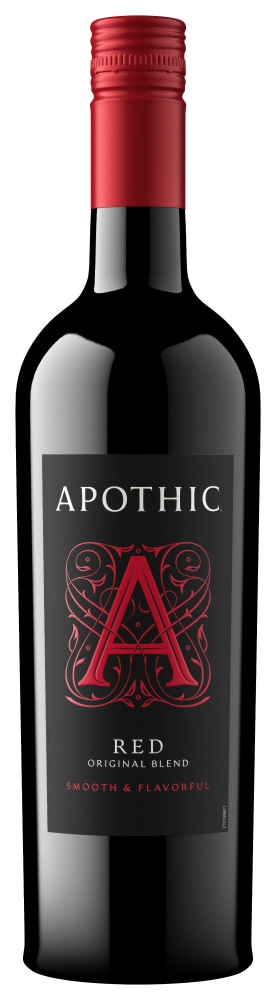
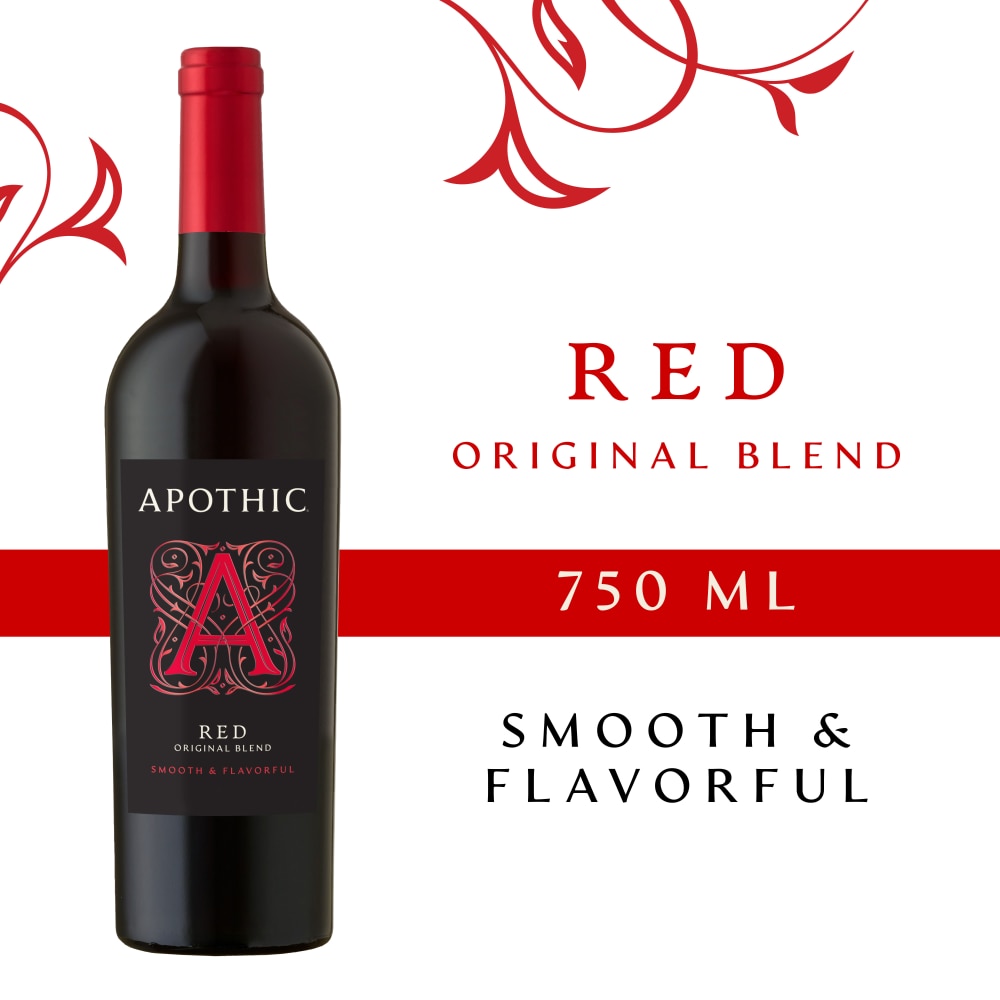
Apothic
Red Blend
Apothic Red is a flavor-designed product, not a vineyard narrative. It delivers soft dark fruit, mocha and immediate approachability; buy it for that unapologetically plush brief.
- Region
- California
- Grape
- Red blend
- The release we researched
- Non-vintage
- Price context
- 10 exact store checks below
What to expect in the glass.
Here is the style this wine is meant to have, based on its region and how it was made.
Producer description
Producer description
Our read of the plush house style
What it costs
Exact regular prices from dated store checks.
- Kroger, Atlanta suburbs, GA$10.99
- Kroger, Cincinnati, OH$14.99
- Kroger, Knoxville, TN$11.99
- Kroger, Richmond, VA$17.99
- King Soopers, Colorado Springs, CO$10.99
- Fry's, Tucson, AZ$11.99
- Smith's, Las Vegas, NV$13.99
- Fred Meyer, Portland, OR$16.99
- QFC, Tacoma, WA$12.99
- Ralphs, Long Beach, CA$14.99
Observed at specific stores; your store will vary. A price target, not an ad.
Apothic Red is a flavor-designed product, not a vineyard narrative. It delivers soft dark fruit, mocha and immediate approachability; buy it for that unapologetically plush brief.
Our call combines official producer and regional evidence with the bottle's shopper ratings and category position.
- You want soft, dark-fruited, mocha-spiced red wine
- Blend flexibility does not bother you
- Immediate approachability matters more than provenance
- You want dry structure and firm tannin
- You require grape percentages and chemistry
- You are shopping for regional expression
Serve slightly cool, then adjust to the bottle’s structure.
Build the pairing around its plush red structure: match weight, sweetness and acidity rather than prestige.
Getting to know California.
California on the label is useful provenance but weak terroir resolution. For these wines, sourcing disclosure, blend construction and house-style consistency carry more decision value than a generic climate paragraph.
What the name means
A state-level appellation, broader than an individual American Viticultural Area. It permits a multi-region blend and does not by itself identify one climate or soil.
How grapes grow here
The state spans cool maritime zones and hot inland valleys. A California designation alone does not reveal which conditions shaped the fruit.
What lies under the vines
At state scale, sourcing and house-style construction matter more than any single soil story.
How large the region is
- Reusable question
- Which counties or AVAs supplied the blend, and did that mix change by release?
Places within the region
- Resolution limit
- County, AVA and vineyard claims begin only when the release names them.
About this bottling
This is a formulation story. The page’s value is naming what the producer does not: grape composition, residual sugar, oak treatment and lot changes remain the decisive unknowns.
Winemaking
The reviewed producer source did not publish blend percentages, finished-wine chemistry or aging details.
Taste
The producer says: dark berries, mocha, spice and a smooth profile.
Apothic
The public dossier treats corporate ownership as a separate entity record still awaiting primary-source verification.
Apothic presents Red as its original blend and a leading mainstream red-blend label.
The brand leads with flavor architecture (dark fruit, mocha, spice and smoothness) rather than grape percentages or place detail.
- Blend
- Red grape percentages not disclosed in the reviewed source we checked this
- Vintage
- Non-vintage presentation well established
Where this information comes from.
We researched this release from the producer's own material and current store listings. We haven't held this exact bottle yet. When we do, we'll say so.
SourcePublisher / how strong the source isChecked
American Viticultural Areas ↗
Alcohol and Tobacco Tax and Trade Bureauregulator
Apothic Red Original Blend ↗
Apothic Winesproducer
Launch assortment rating snapshot
Kroger retailer feedDated product-level signal; vintage and unique audience are not established.
Front, back, fine print.
The label, the barcode and the fine print, captured so you can read what the bottle actually says.