
Kim Crawford
Sauvignon Blanc
A well-known grocery-store Marlborough bottle. It is vivid, easy to recognize, and costly enough that the details matter.
980 wines researched
Find a familiar label, narrow the catalog by style or region, then open its research and evidence.
Torn between two bottles? Read the head-to-head comparisons →
A well-known grocery-store Marlborough bottle. It is vivid, easy to recognize, and costly enough that the details matter.
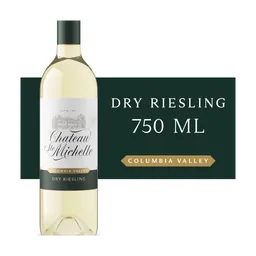
The drier Washington Riesling choice. It uses grapes from across Columbia Valley and puts freshness first, though current details are limited.
The premium-priced Pinot Grigio benchmark, backed by clear variety and process detail but a tiny Kroger rating sample.
The obvious Kim Crawford rival. It often costs less, and both wines make a similar Marlborough promise.
A lower-priced Delle Venezie bottle. The producer's current blend differs from older information that named only one grape.
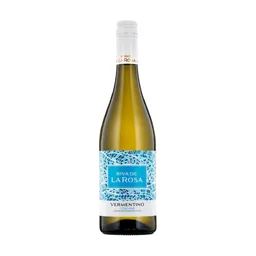
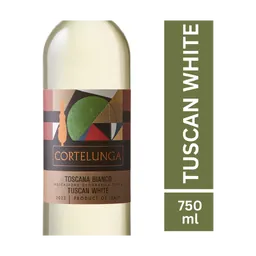
A modestly priced Tuscan white. The producer gives clear blend and winemaking details but publishes two different alcohol figures.

Our take published
Our take published
Our take published
Our take published
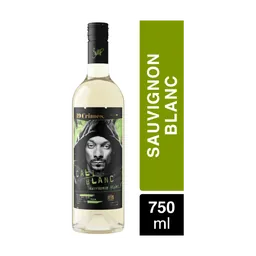
Our take published

Our take published

Our take published
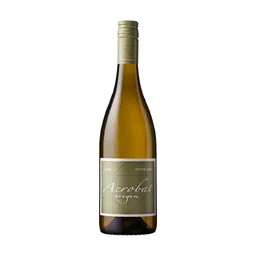
Our take published
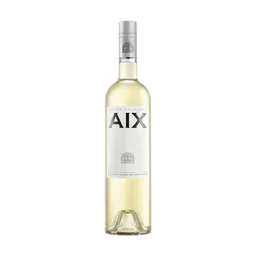
Our take published

Our take published

Our take published
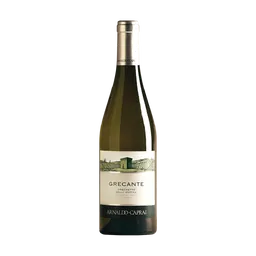
Our take published

Our take published
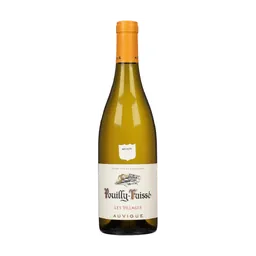
Our take published
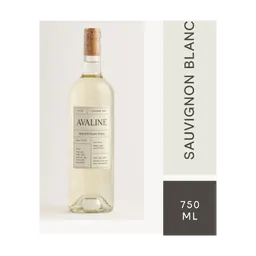
Our take published
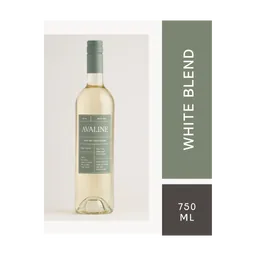
Our take published
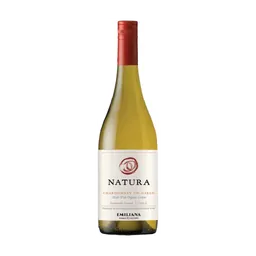
Our take published
Our take published

Our take published

Our take published

Our take published
Our take published
Our take published
Our take published
Our take published

Our take published
Our take published

Our take published
Our take published
Our take published
Our take published
Our take published

Our take published
Our take published

Our take published
Our take published
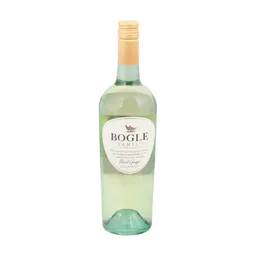
Our take published

Our take published
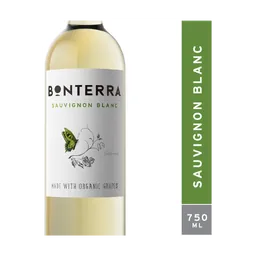
Our take published
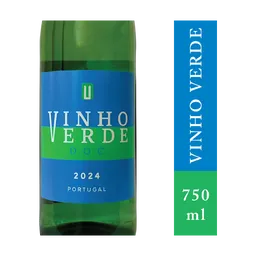
Our take published
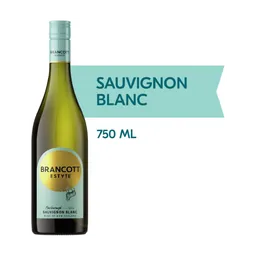
Our take published
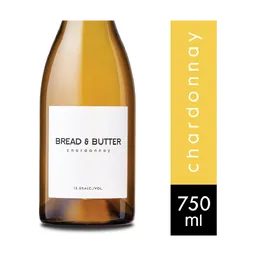
Our take published
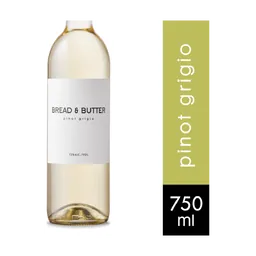
Our take published

Our take published
Our take published
Our take published
Our take published
Our take published

Our take published

Our take published
Our take published
Our take published

Our take published
Our take published
Our take published
Our take published
Our take published
Our take published
Our take published
Our take published
Our take published
Our take published
Our take published
Our take published

Research underway
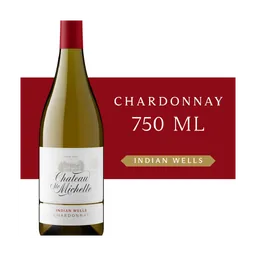
Research underway
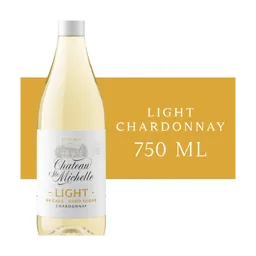
Our take published
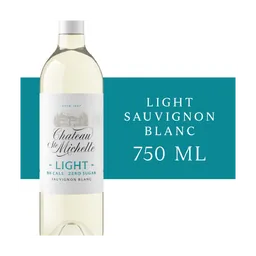
Our take published
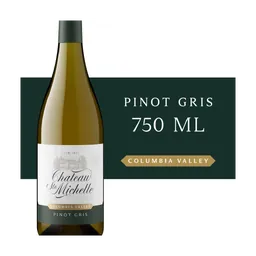
Our take published
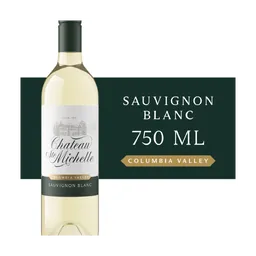
Our take published
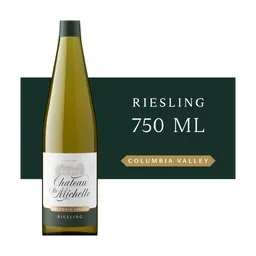
Our take published
Research underway
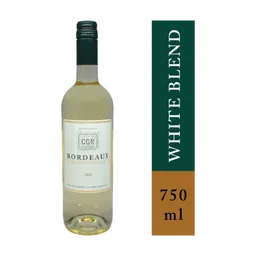
Our take published
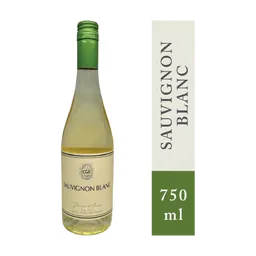
Our take published
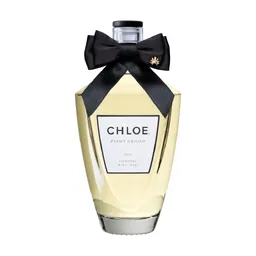
Our take published
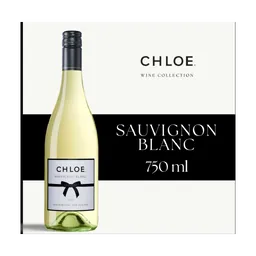
Our take published
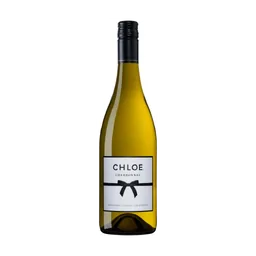
Our take published
Our take published
Our take published

Our take published
Our take published
Our take published
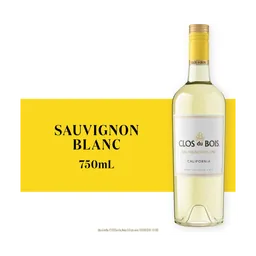
Our take published
Our take published
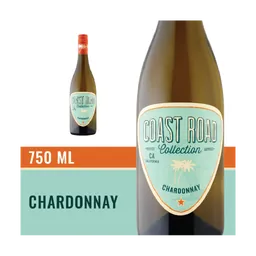
Our take published

Our take published
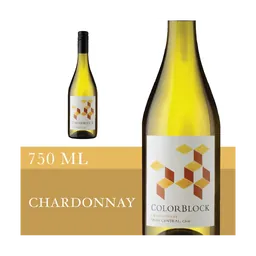
Our take published

Research underway
Our take published

Our take published
Our take published

Our take published
Our take published
Our take published
Our take published

Our take published
Our take published

Our take published
Our take published
Our take published

Our take published

Our take published
Our take published
Our take published
Our take published
Our take published
Our take published
Our take published
Our take published
Our take published

Our take published
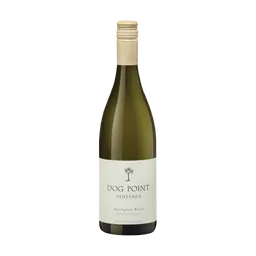
Our take published
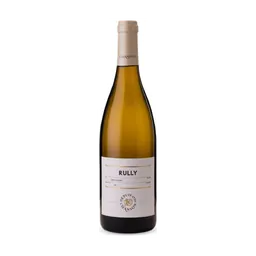
Our take published
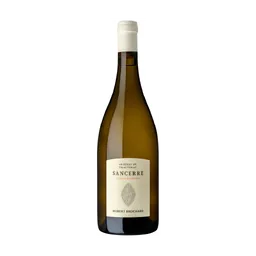
Our take published
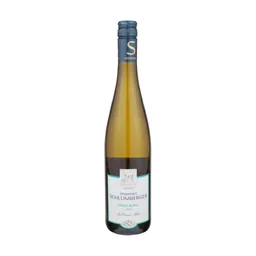
Our take published
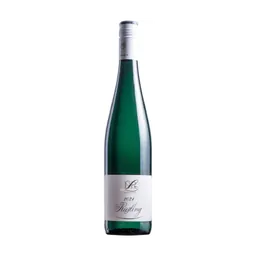
Our take published
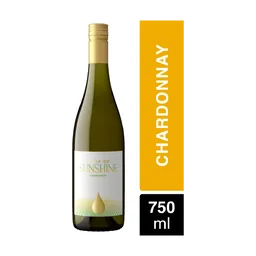
Our take published
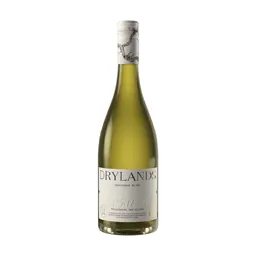
Our take published
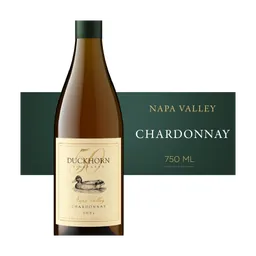
Our take published
Our take published
Our take published
Our take published
Our take published
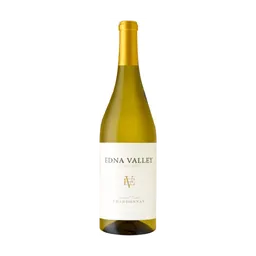
Our take published
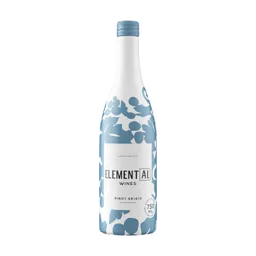
Our take published
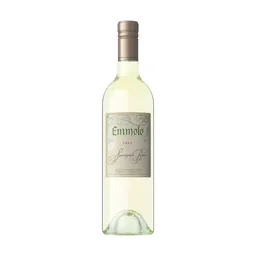
Our take published

Research underway

Our take published

Our take published
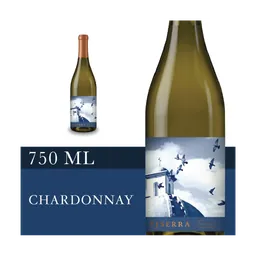
Our take published
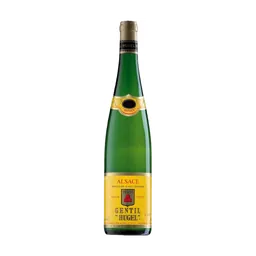
Our take published
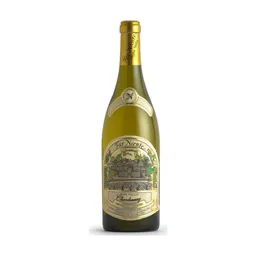
Our take published
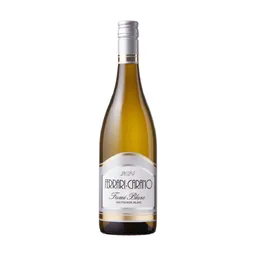
Our take published
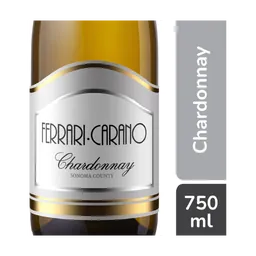
Our take published
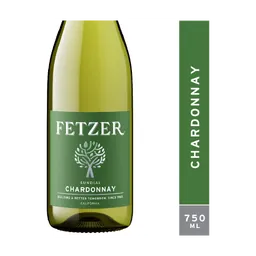
Our take published
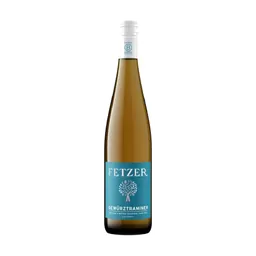
Our take published
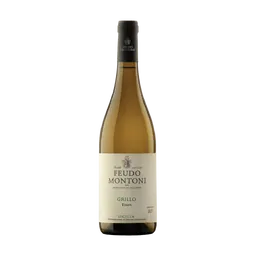
Our take published
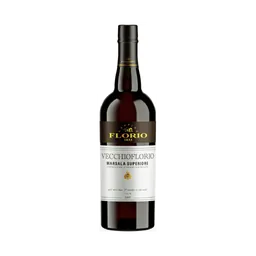
Our take published
Our take published
Our take published
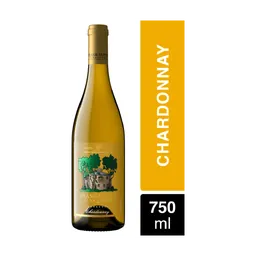
Our take published
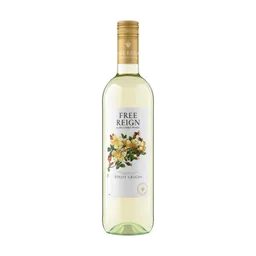
Our take published
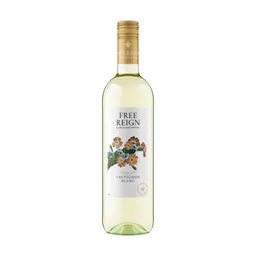
Our take published
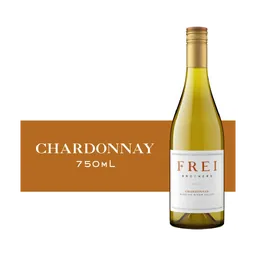
Our take published
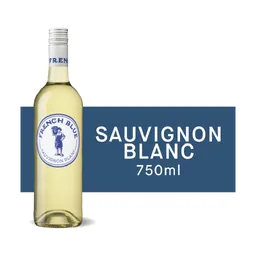
Our take published
Our take published

Our take published
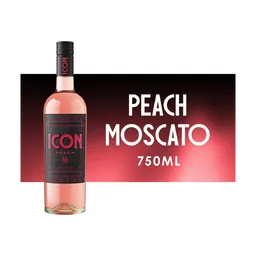
Our take published
Our take published
Our take published
Our take published
Our take published
Our take published
Our take published
Our take published
Our take published

Our take published
Our take published
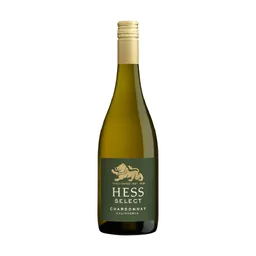
Our take published
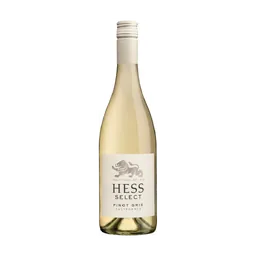
Our take published
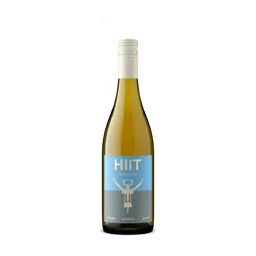
Our take published
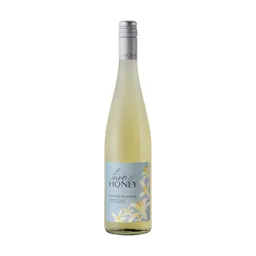
Our take published
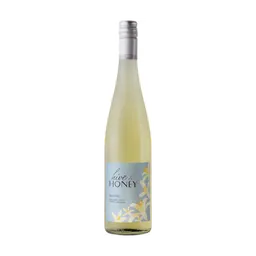
Our take published
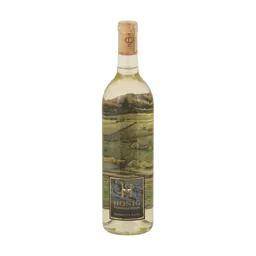
Our take published
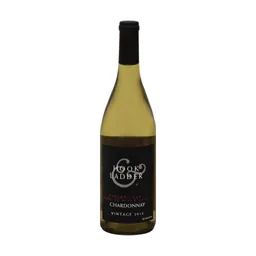
Our take published
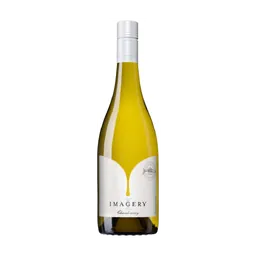
Our take published
Our take published
Our take published
Our take published
Our take published

Our take published
Our take published
Our take published

Our take published

Our take published

Our take published
Our take published

Our take published
Our take published

Our take published
Our take published
Our take published
Our take published
Our take published
Our take published

Our take published

Our take published
Our take published

Our take published
Our take published
Our take published

Our take published
Our take published
Our take published
Our take published
Research underway

Our take published

Our take published
Our take published

Our take published

Our take published
Our take published
Our take published
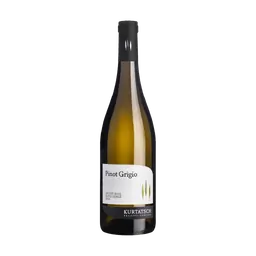
Our take published
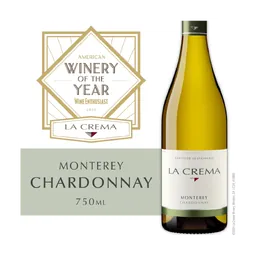
Our take published
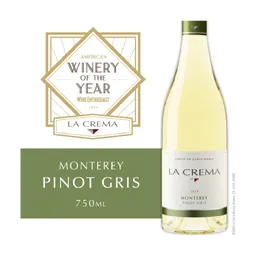
Our take published
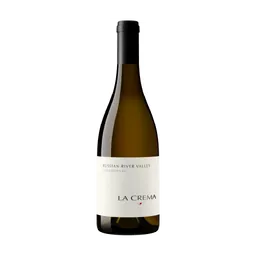
Our take published
Our take published
Our take published
Our take published
Our take published

Our take published
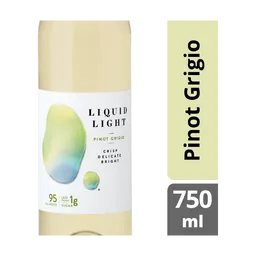
Our take published

Our take published

Our take published
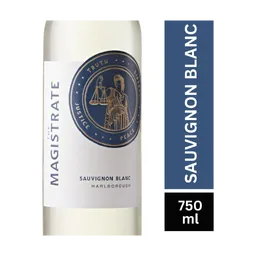
Our take published
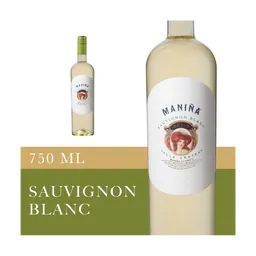
Our take published

Our take published
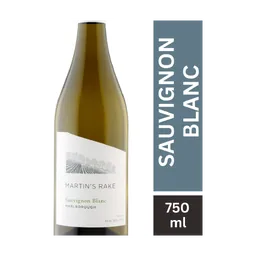
Our take published
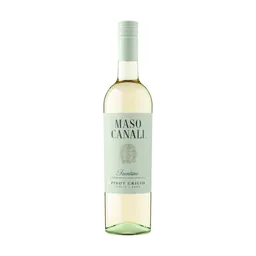
Our take published
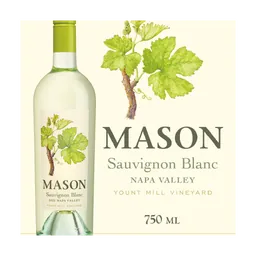
Our take published
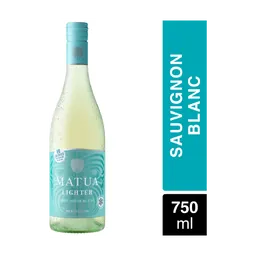
Our take published
Our take published

Our take published
Our take published
Our take published
Our take published
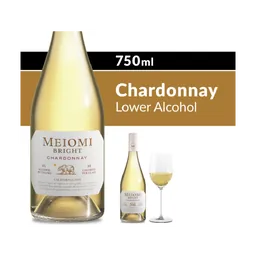
Our take published
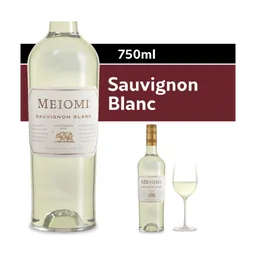
Our take published
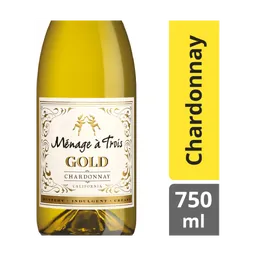
Our take published
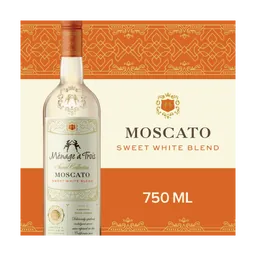
Our take published
Our take published
Our take published
Our take published

Our take published
Our take published
Our take published

Our take published
Our take published
Our take published
Our take published

Our take published
Our take published
Our take published
Our take published
Our take published
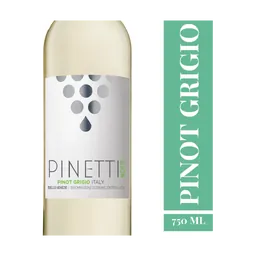
Our take published
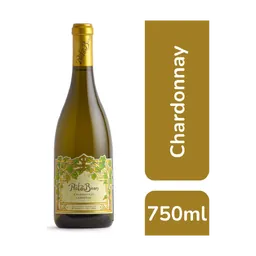
Our take published
Research underway
Research underway
Our take published
Our take published

Our take published
Our take published
Our take published
Our take published
Research underway

Research underway
Our take published
Our take published
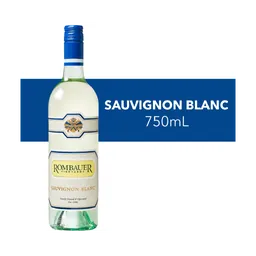
Our take published
Our take published

Our take published
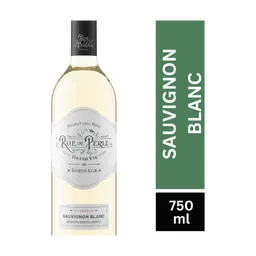
Our take published
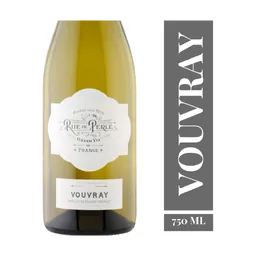
Our take published
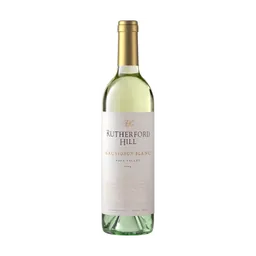
Our take published
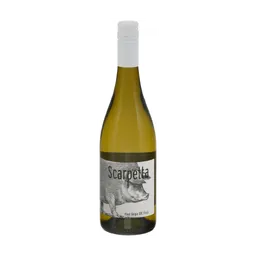
Our take published
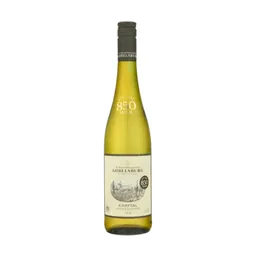
Our take published

Our take published
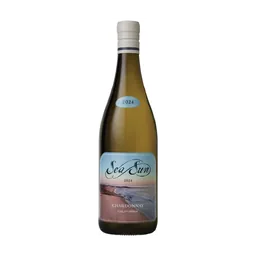
Our take published

Our take published

Our take published
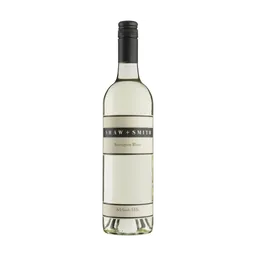
Our take published
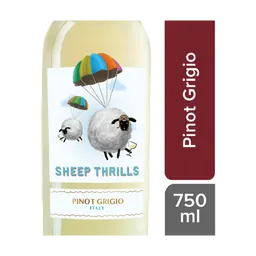
Our take published
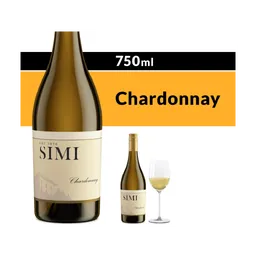
Our take published
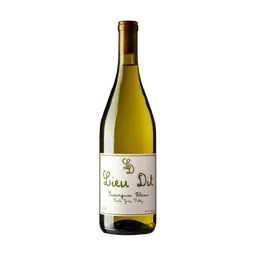
Our take published
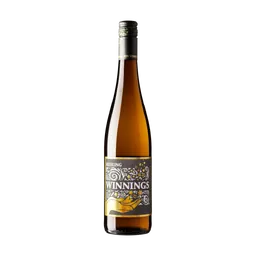
Our take published
Our take published
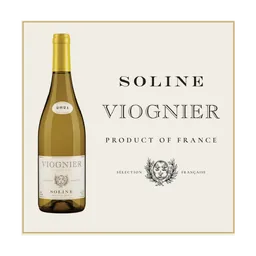
Our take published
Our take published
Our take published

Our take published
Our take published
Our take published
Our take published
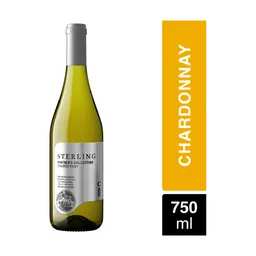
Our take published
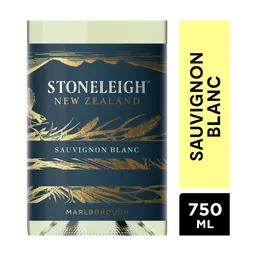
Our take published
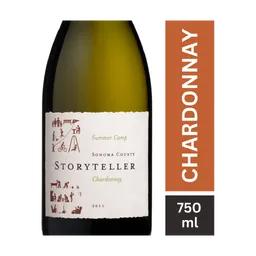
Our take published
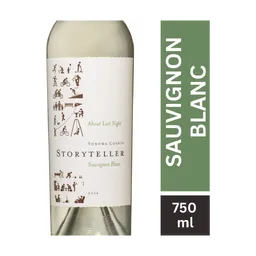
Our take published
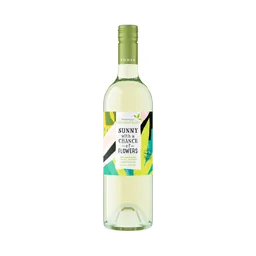
Our take published
Our take published

Our take published
Our take published

Our take published
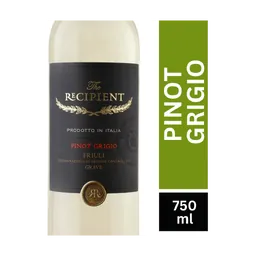
Our take published
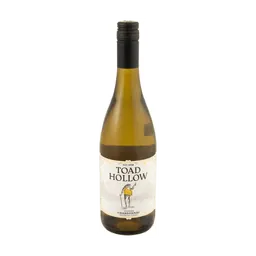
Our take published
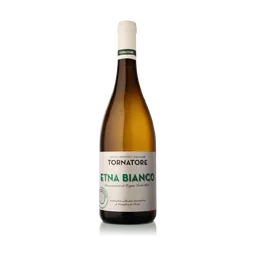
Our take published
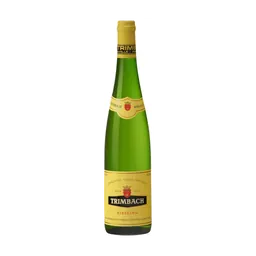
Our take published
Our take published
Our take published
Our take published

Our take published
Our take published

Our take published
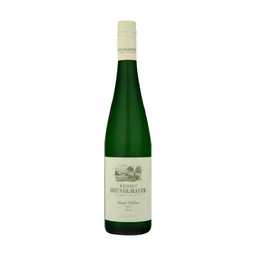
Our take published
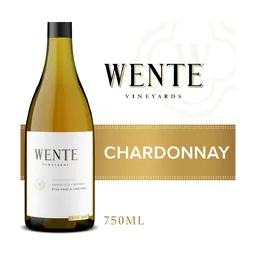
Our take published
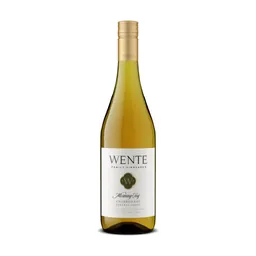
Our take published
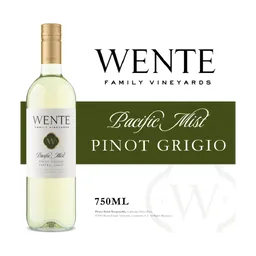
Our take published
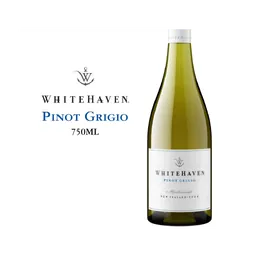
Our take published
Our take published
Research underway
Our take published
Research underway
Our take published
Our take published

Research underway
Our take published
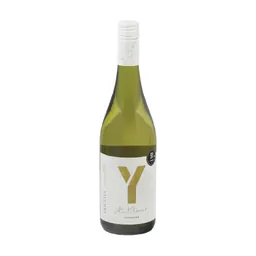
Our take published

Our take published

Our take published
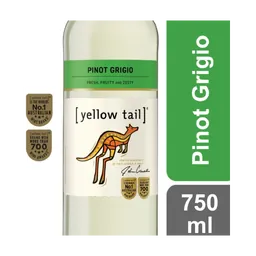
Our take published


Our take published
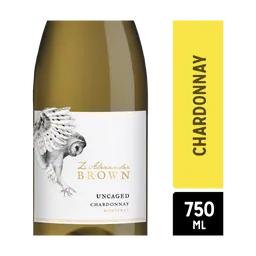
Our take published

Our take published
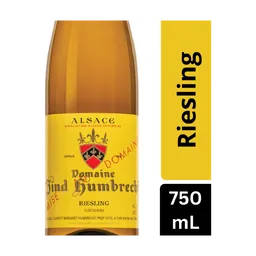
Our take published

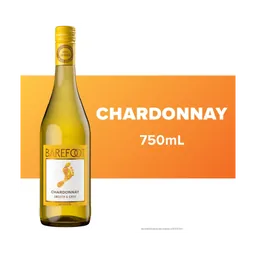
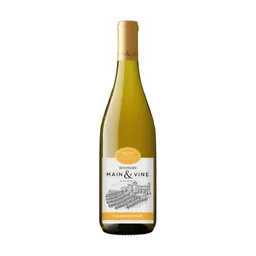
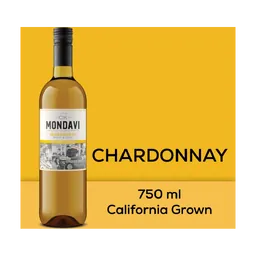
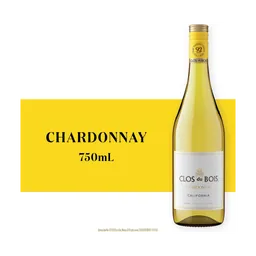
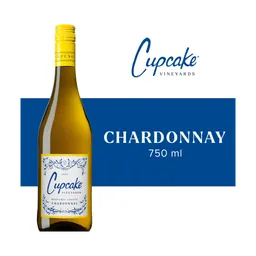
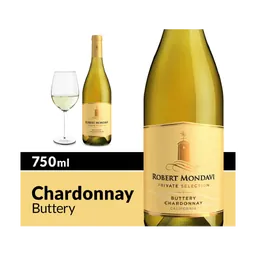
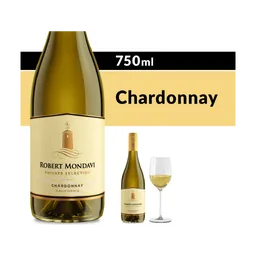
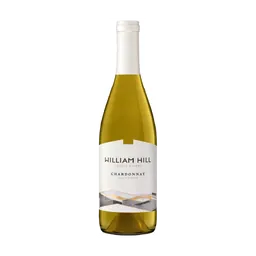
A familiar supermarket Chardonnay made from grapes grown across California and sold on a very large scale.
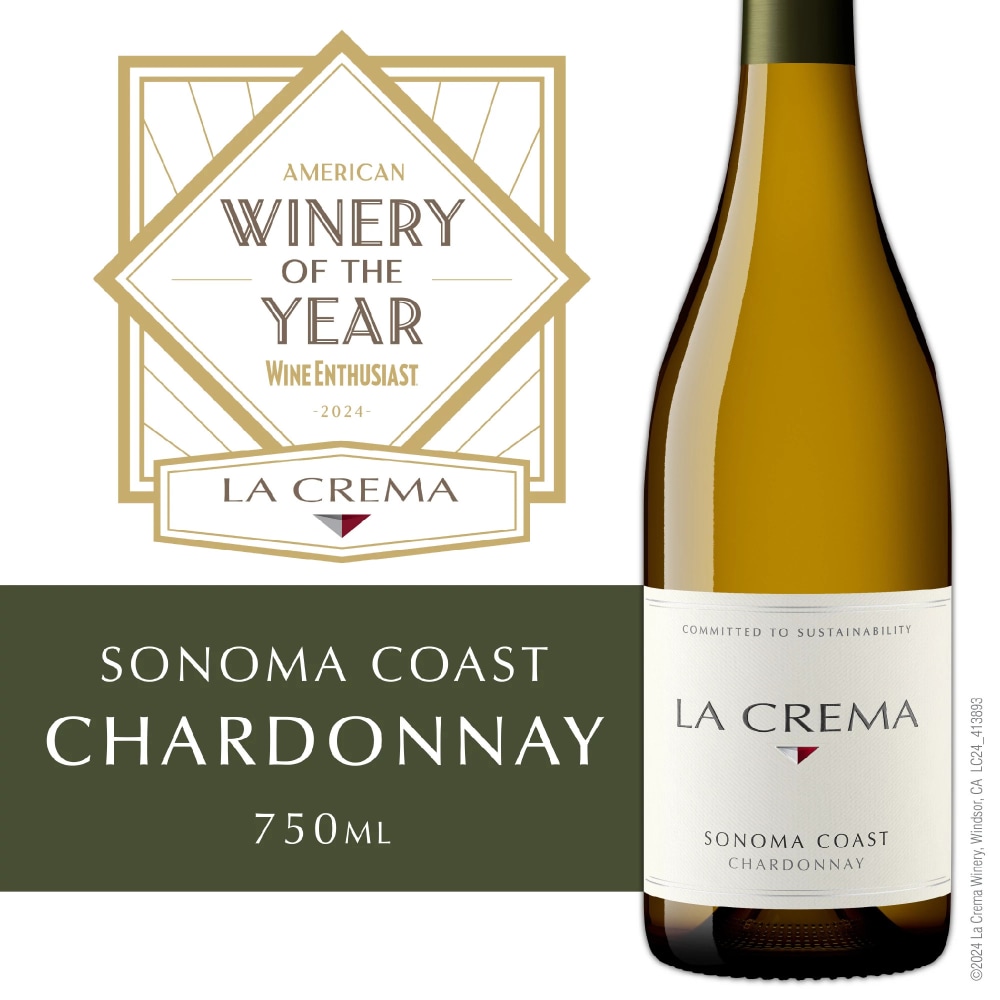
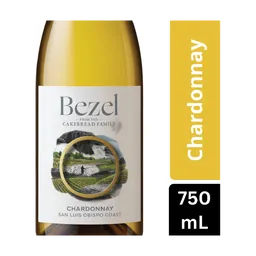
This bottle costs more because it names Sonoma Coast. The question is whether that place still comes through in a widely sold wine.
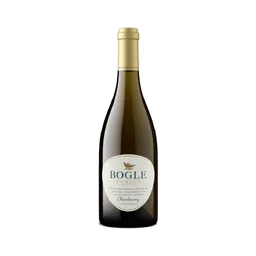
A costly California blend. The producer publishes enough about the grapes and finished wine for us to judge what the name promises.
A costly California Zinfandel blend. Grapes from several regions and the oak aging matter more than a story about one place.

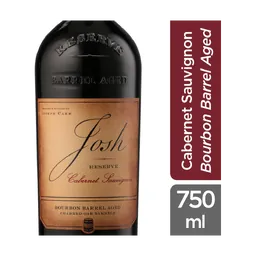
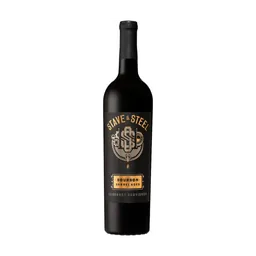
A Cabernet built around bourbon-barrel flavor, with broad California origin and package-data conflicts kept in view.

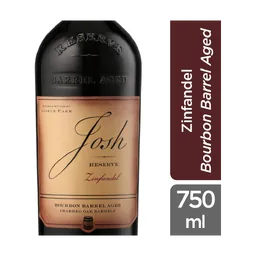
A California Zinfandel finished in bourbon barrels. The batch number and changing store price matter as much as the barrel treatment.
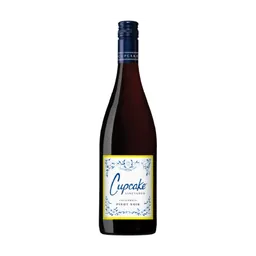
A grocery wine that people tend to love or dislike. It is popular, but it may not taste like the Pinot Noir some drinkers expect.

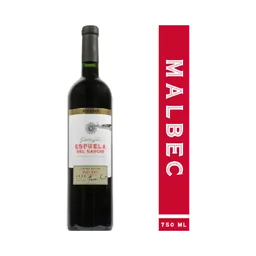
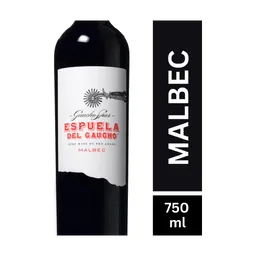
A widely available Mendoza Malbec. Its mountain-desert origin is clearer than the blend and alcohol figures shown on current store pages.

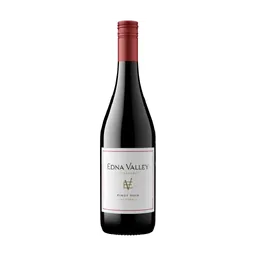
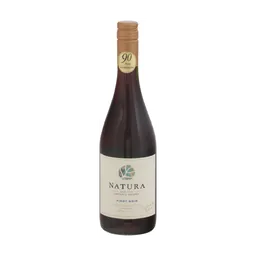
A cooler, leaner contrast to Meiomi. It shows why two bottles labeled Pinot Noir can taste very different.

A Lodi Zinfandel built around old vines, ripe fruit, and oak. The producer does not publish the exact age of the vines.

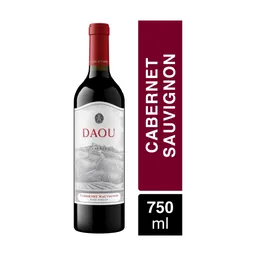
A widely sold California Cabernet. The question is whether it has enough body and firmness to earn its popularity.
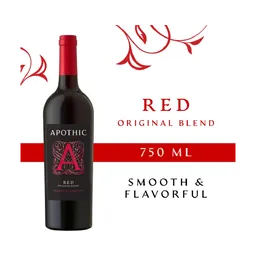
Built for drinkers who want plush fruit and a smooth finish. The blend and production choices matter more than prestige language.
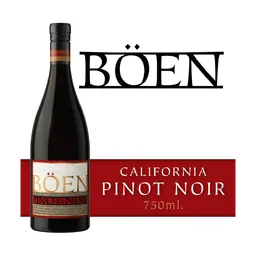
A richer, higher-priced grocery-store Pinot. The producer names its coastal sources, but the wine may feel too sweet and heavy for some Pinot drinkers.
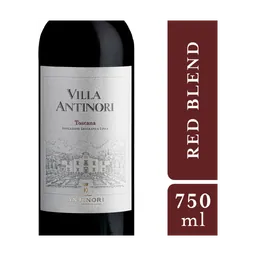
A historic Tuscan grocery-store label priced from $23 to $29. The family name is famous, but the published wine details still need to earn the price.

A box holding the same amount as four bottles. How long it stays fresh and which exact box we found matter as much as its California origin.
A ripe coastal California Pinot with a photographed 2024 bottle and clear county sourcing. Shopper ratings are strong, but some come from very small groups.
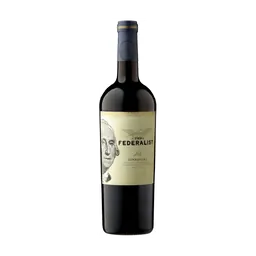
A full-bodied Lodi Zinfandel with a published blend and a year in oak. Those details help explain its $15-to-$24 store range.

A modestly priced way into Rioja. Its official class, time in oak, and age matter more than a simple flavor list.
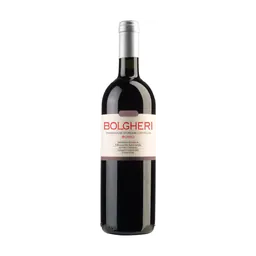
A $40-plus Bolgheri bottle with a photographed 2024 front label. Very few shoppers have rated it, so the published facts have to carry the page.
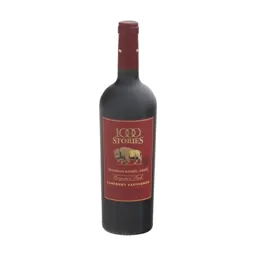
Our take published

Our take published

Our take published

Our take published

Our take published

Our take published

Our take published
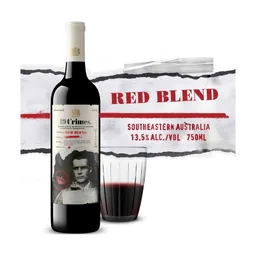
Our take published
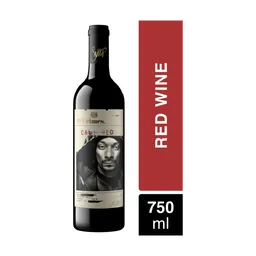
Our take published
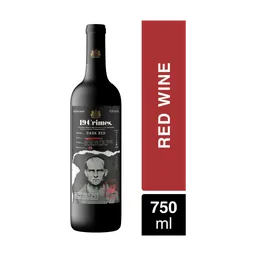
Research underway
Our take published
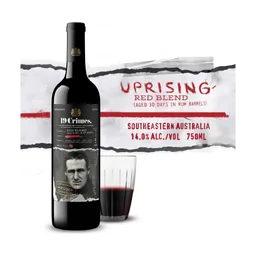
Our take published

Our take published

Our take published

Our take published

Our take published
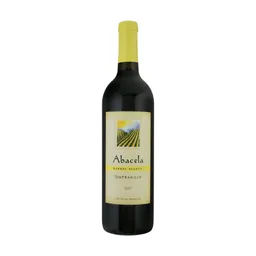
Research underway
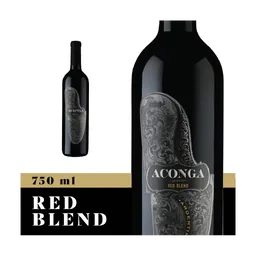
Our take published
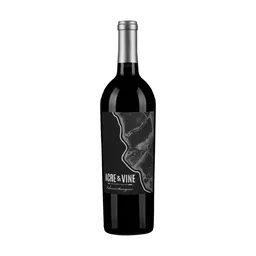
Our take published

Our take published
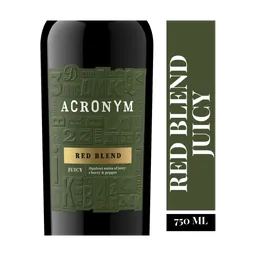
Our take published
Our take published

Our take published
Our take published

Our take published
Our take published
Our take published

Our take published
Our take published

Our take published

Our take published
Our take published
Our take published

Our take published
Our take published
Our take published

Our take published

Our take published

Our take published
Our take published
Our take published
Our take published

Our take published
Our take published
Our take published
Our take published

Our take published

Our take published
Our take published
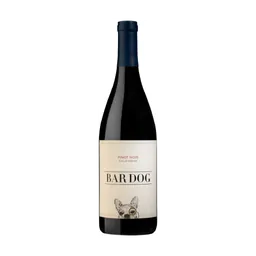
Our take published

Our take published
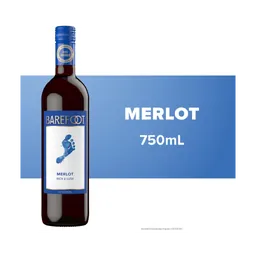
Our take published
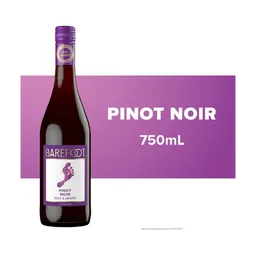
Our take published
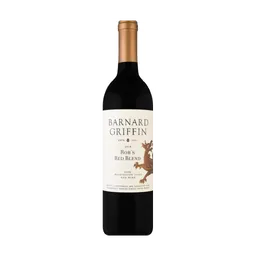
Our take published
Our take published
Our take published

Our take published

Our take published

Our take published
Our take published
Our take published

Our take published
Our take published
Our take published
Our take published
Our take published
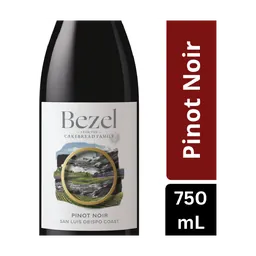
Our take published
Our take published

Our take published

Our take published
Our take published

Our take published
Our take published
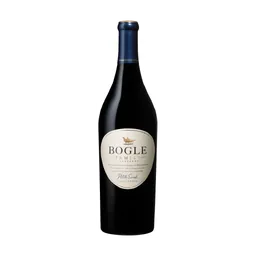
Our take published
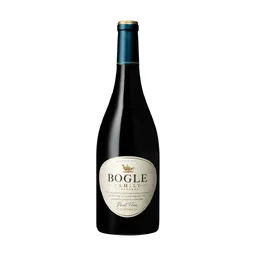
Our take published
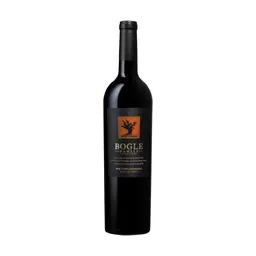
Our take published
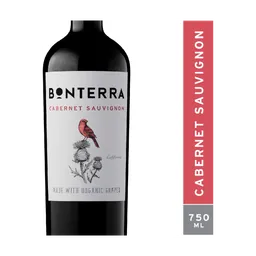
Our take published

Research underway
Our take published

Our take published
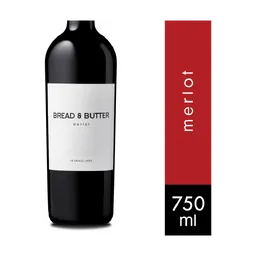
Our take published
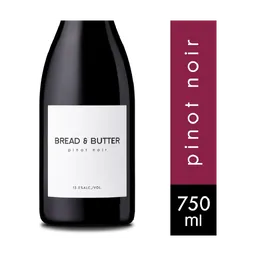
Our take published
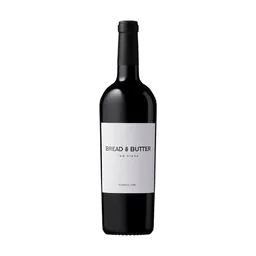
Our take published
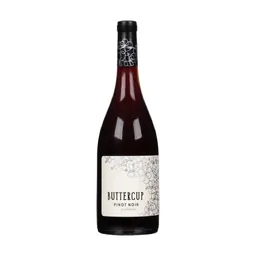
Our take published

Our take published
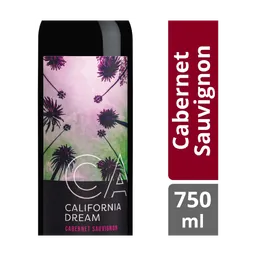
Our take published
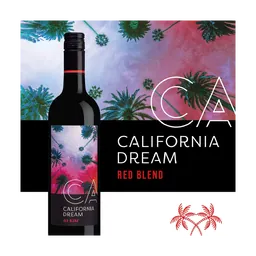
Our take published

Our take published
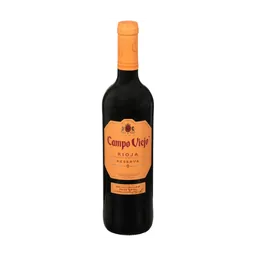
Our take published
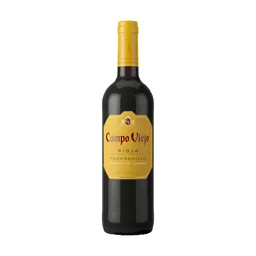
Our take published
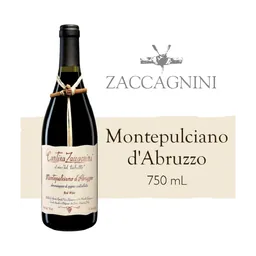
Our take published

Our take published

Our take published
Our take published
Our take published
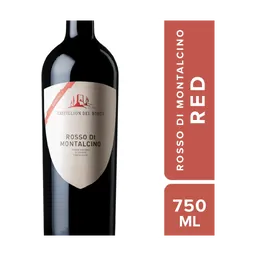
Our take published
Our take published
Our take published
Our take published
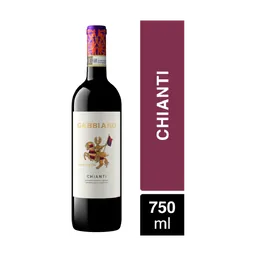
Our take published
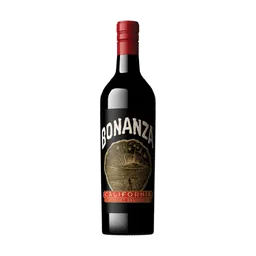
Our take published
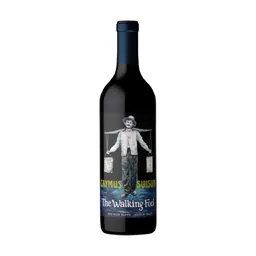
Our take published
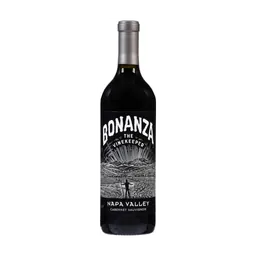
Our take published

Our take published
Our take published
Our take published
Our take published
Our take published

Our take published
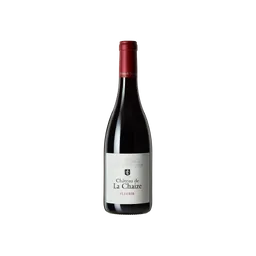
Our take published
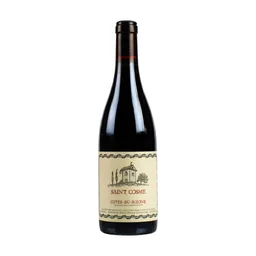
Our take published
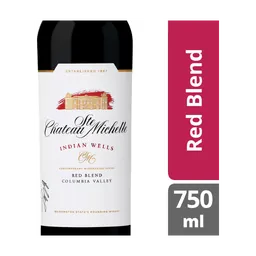
Our take published

Our take published


Research underway

Our take published
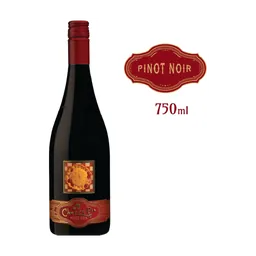
Our take published
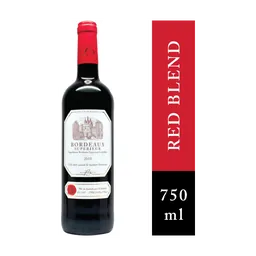
Our take published
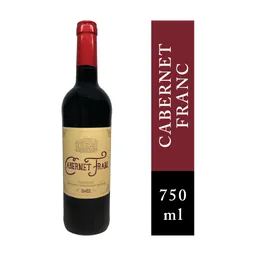
Our take published
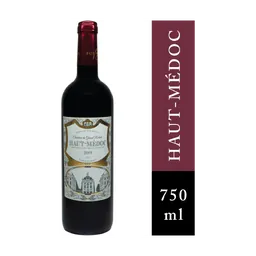
Our take published
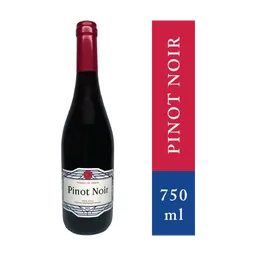
Our take published

Our take published
Our take published
Our take published
Our take published
Our take published
Our take published

Our take published
Our take published
Our take published
Our take published
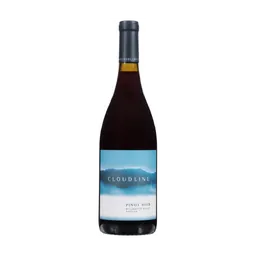
Our take published
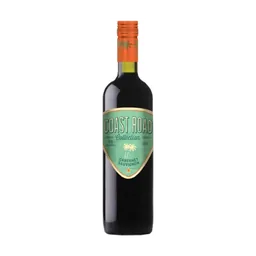
Our take published
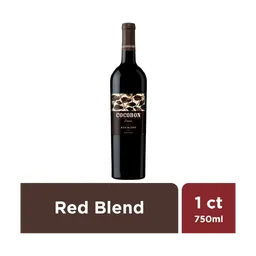
Our take published

Our take published
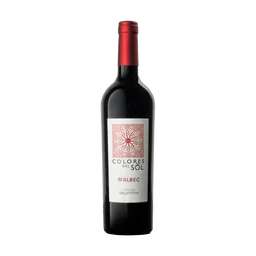
Our take published

Research underway

Our take published
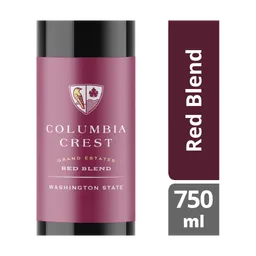
Our take published

Our take published
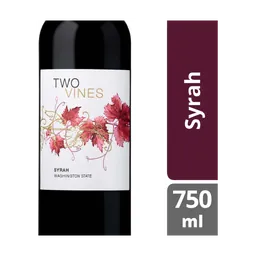
Research underway
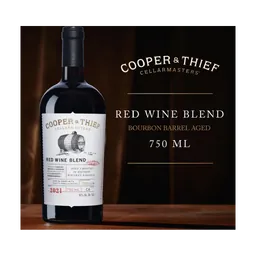
Our take published
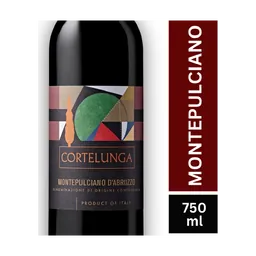
Our take published
Our take published
Our take published

Our take published
Our take published
Our take published
Our take published
Our take published

Our take published
Our take published

Our take published

Our take published
Our take published

Our take published
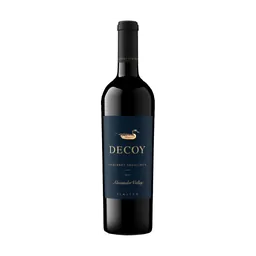
Our take published
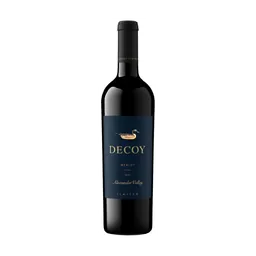
Our take published
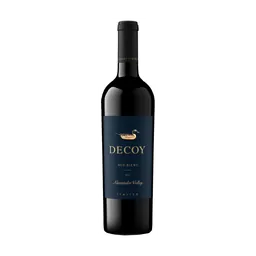
Our take published
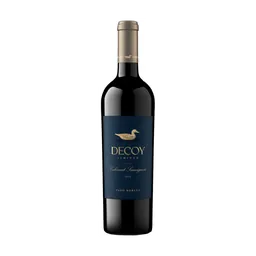
Our take published
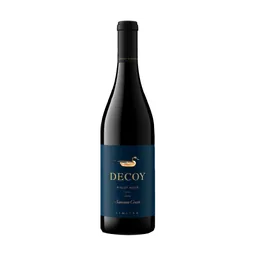
Our take published
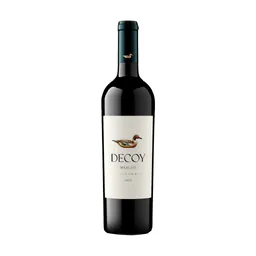
Our take published
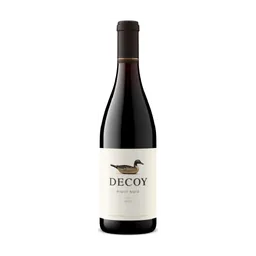
Our take published
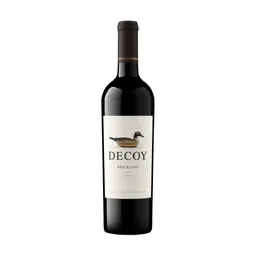
Our take published
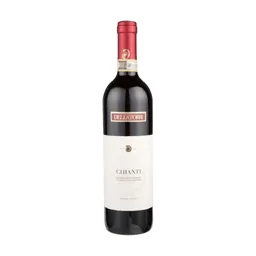
Our take published
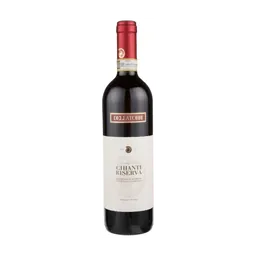
Our take published

Our take published
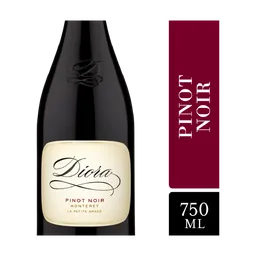
Our take published
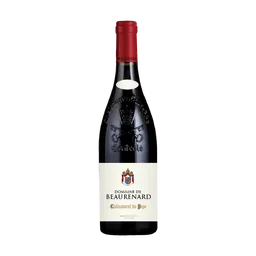
Our take published
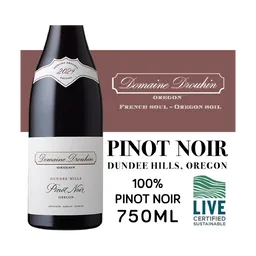
Our take published
Our take published
Our take published
Our take published
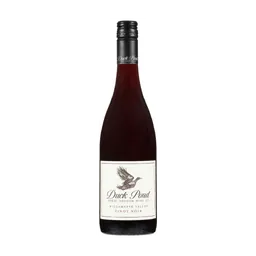
Our take published
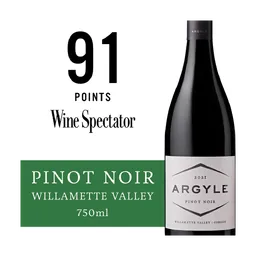
Our take published
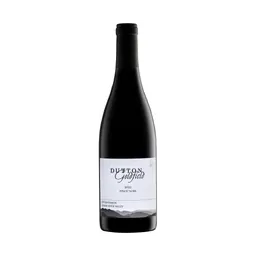
Our take published
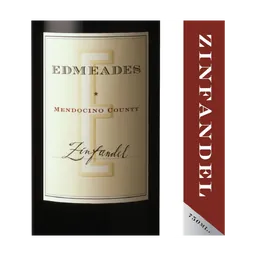
Our take published
Our take published

Our take published

Our take published
Our take published

Our take published
Our take published
Our take published
Our take published
Our take published

Our take published
Our take published
Our take published
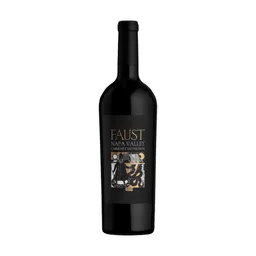
Our take published
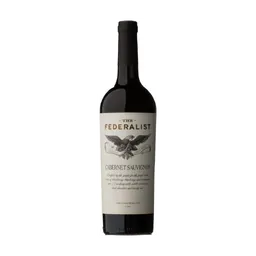
Our take published
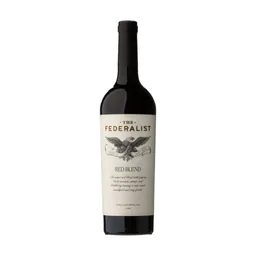
Our take published
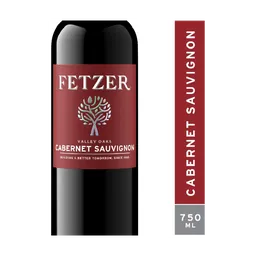
Our take published
Our take published

Our take published
Our take published
Our take published
Our take published

Our take published

Our take published
Our take published
Our take published
Our take published
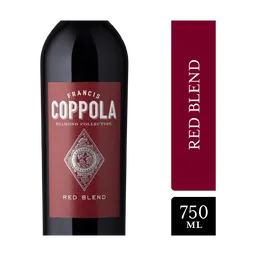
Research underway
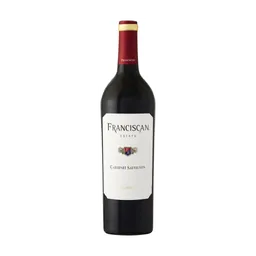
Our take published
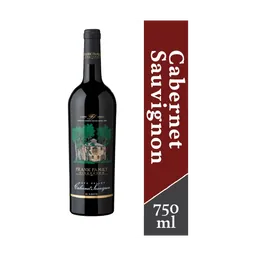
Our take published
Our take published

Our take published
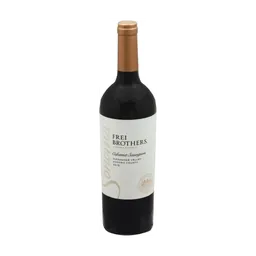
Our take published
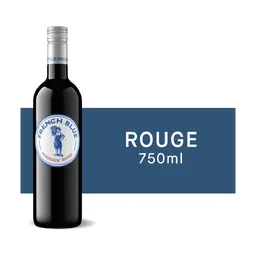
Our take published
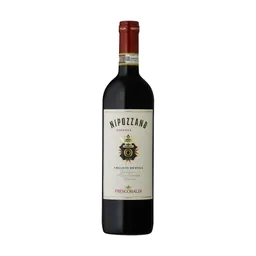
Our take published

Our take published
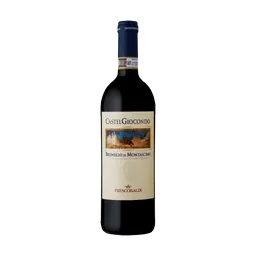

Our take published
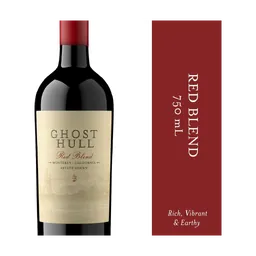
Our take published
Our take published
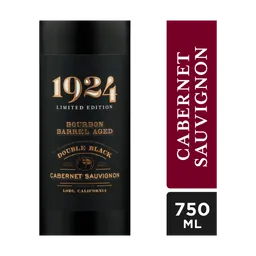
Our take published
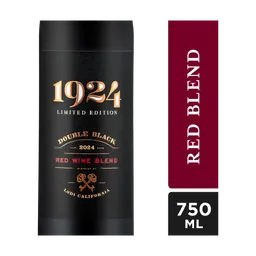
Our take published

Our take published
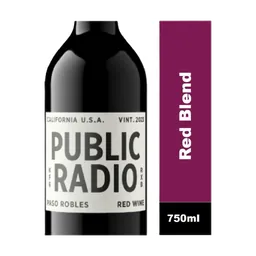
Our take published

Our take published
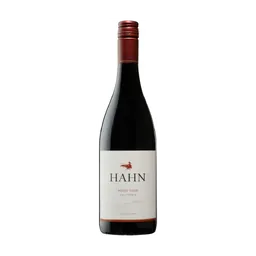
Our take published
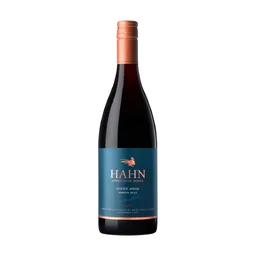
Our take published
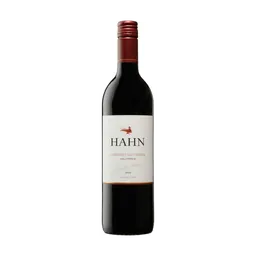
Our take published
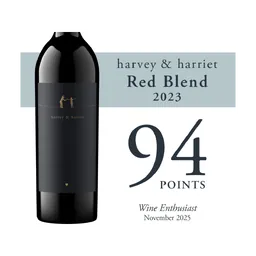
Our take published

Our take published

Our take published
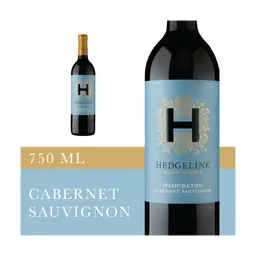
Our take published
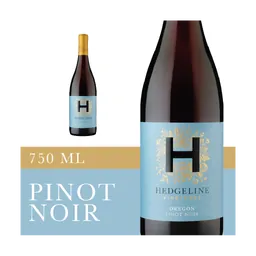
Our take published
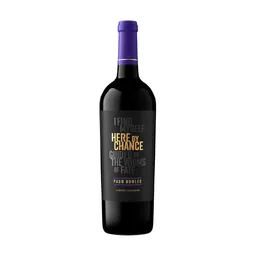
Our take published
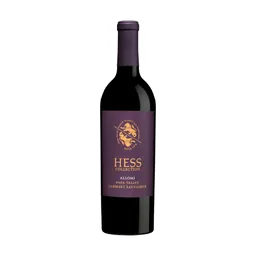
Our take published

Our take published
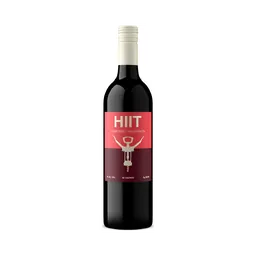
Our take published
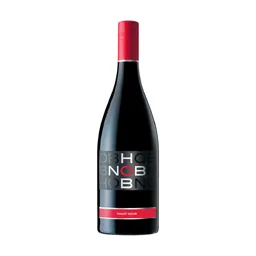
Our take published
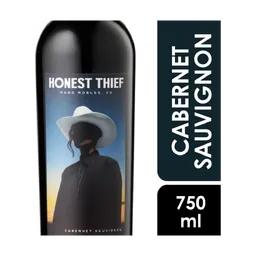
Our take published
Our take published

Our take published
Our take published

Our take published

Our take published
Our take published
Research underway
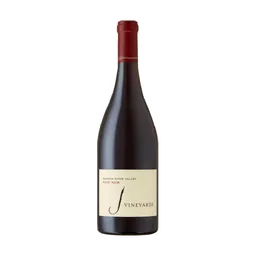
Our take published

Our take published
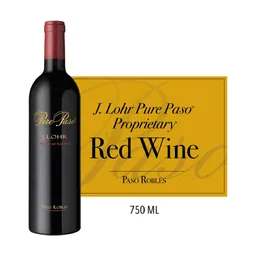
Our take published

Our take published
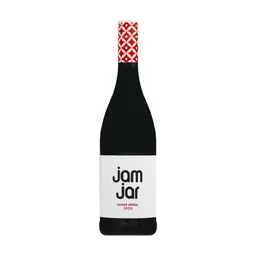
Our take published

Our take published
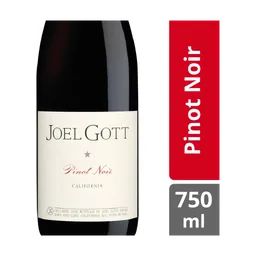
Our take published

Our take published

Our take published
Our take published
Our take published

Our take published

Our take published
Our take published
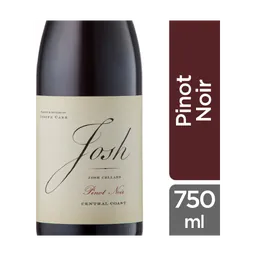
Our take published

Our take published

Our take published
Our take published
Our take published
Our take published
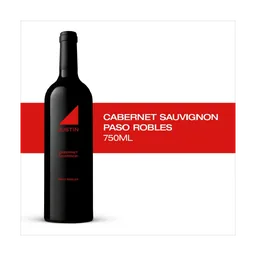
Our take published
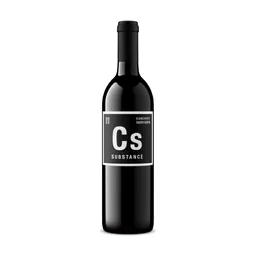
Our take published
Our take published
Research underway

Our take published
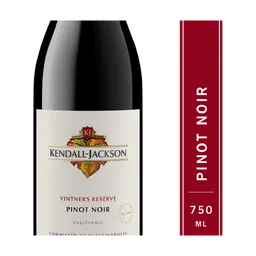
Our take published

Research underway

Our take published
Our take published
Our take published
Our take published
Our take published

Our take published
Our take published
Our take published
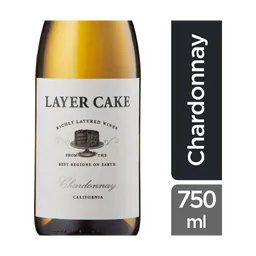
Our take published
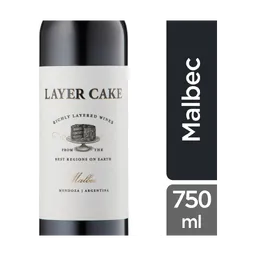
Our take published
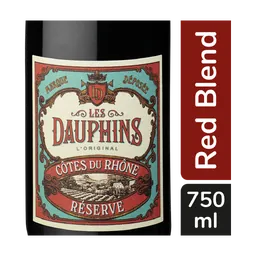
Our take published

Our take published
Our take published
Our take published
Our take published
Our take published
Our take published
Our take published
Our take published

Our take published
Our take published
Our take published

Our take published

Our take published

Our take published
Our take published

Our take published
Our take published
Our take published
Our take published

Our take published

Our take published
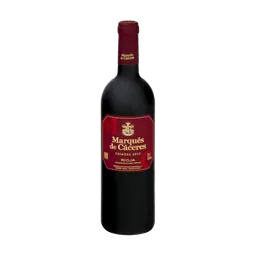
Our take published
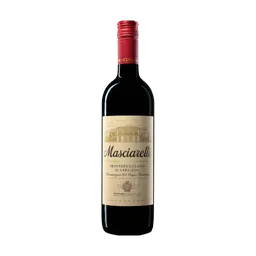
Our take published

Our take published
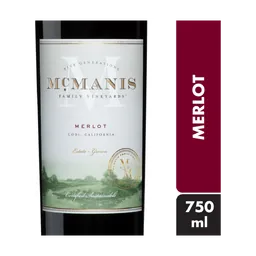
Our take published
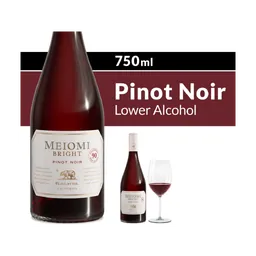
Our take published

Our take published
Our take published

Our take published

Our take published

Our take published

Our take published
Our take published
Our take published

Our take published
Our take published
Our take published

Our take published
Our take published
Our take published

Our take published
Research underway

Our take published
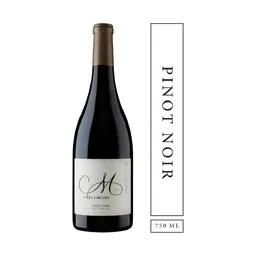
Our take published

Our take published
Our take published
Our take published
Our take published
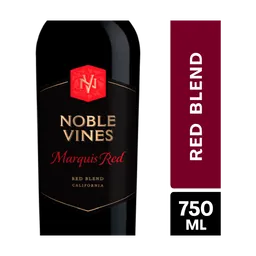
Our take published
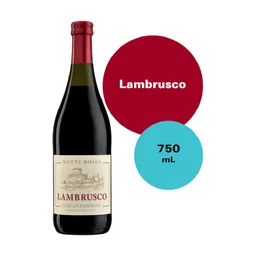
Our take published
Our take published
Our take published
Our take published
Our take published
Our take published

Our take published
Our take published

Our take published

Our take published
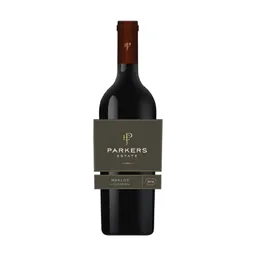
Our take published

Our take published

Our take published
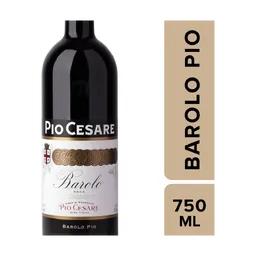
Our take published
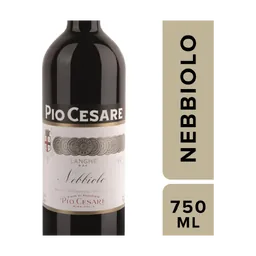
Our take published

Our take published

Our take published
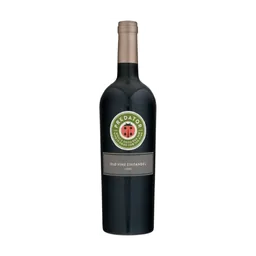
Our take published
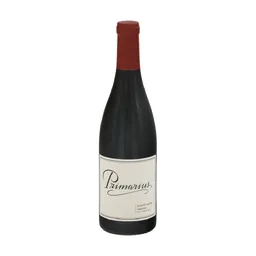
Our take published
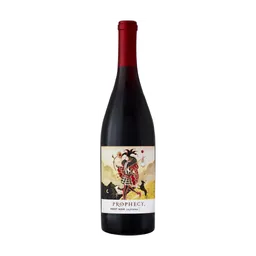
Our take published
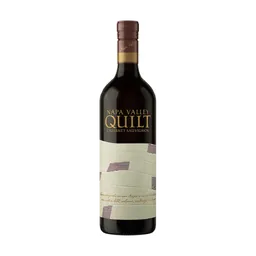
Our take published
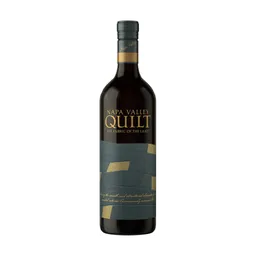
Our take published
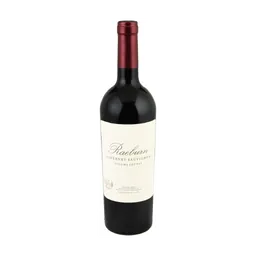
Our take published
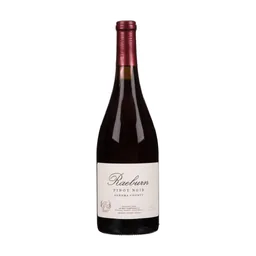
Our take published
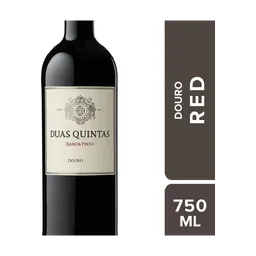
Our take published
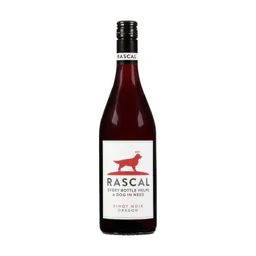
Our take published
Our take published
Research underway
Our take published
Research underway
Our take published
Our take published
Our take published

Research underway
Research underway

Our take published

Our take published
Our take published
Our take published
Our take published
Our take published
Our take published

Our take published
Our take published
Our take published

Our take published

Our take published

Our take published

Our take published
Our take published
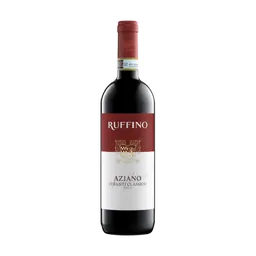
Our take published
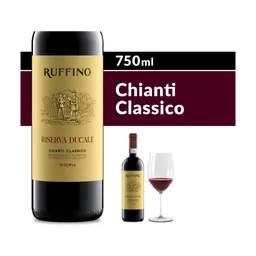
Our take published
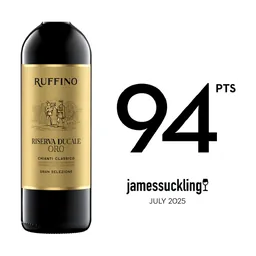

Our take published
Our take published

Our take published
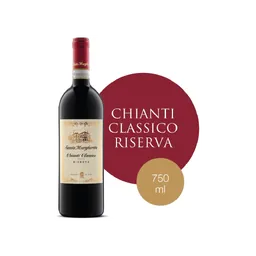
Our take published
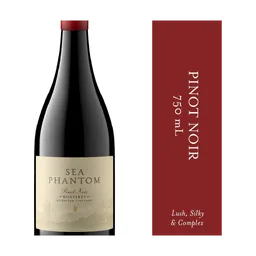
Our take published

Our take published
Our take published
Our take published
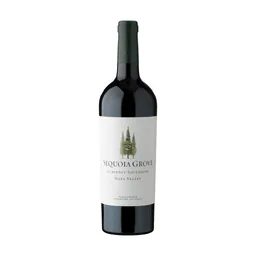
Our take published
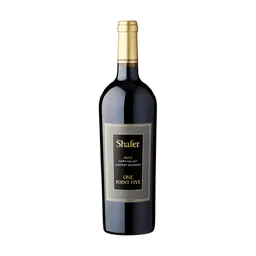
Our take published
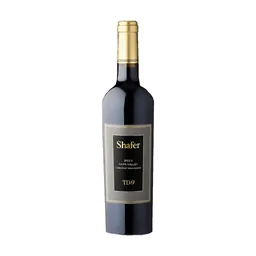
Our take published
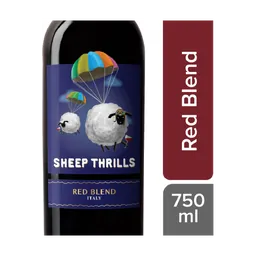
Our take published

Our take published

Our take published

Our take published
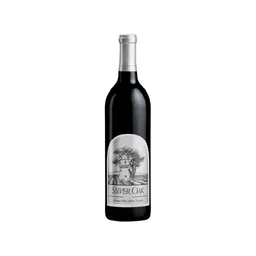
Our take published
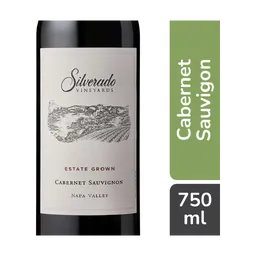
Our take published

Our take published

Our take published
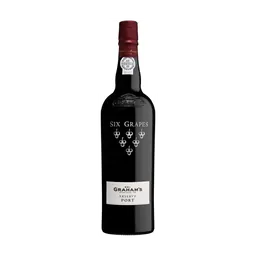
Our take published
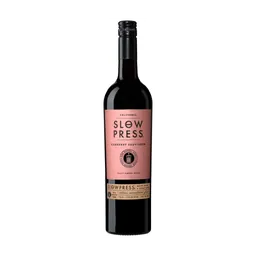
Our take published
Our take published
Our take published
Our take published
Research underway
Our take published
Our take published
Our take published

Our take published

Our take published
Our take published
Our take published
Our take published
Our take published
Our take published
Our take published
Our take published
Our take published
Our take published

Our take published
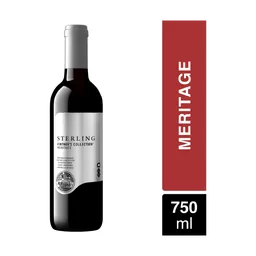
Our take published
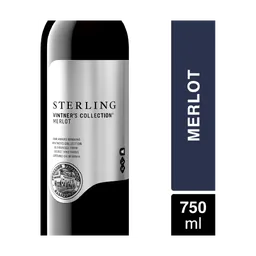
Our take published
Our take published

Our take published
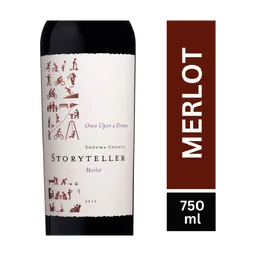
Our take published
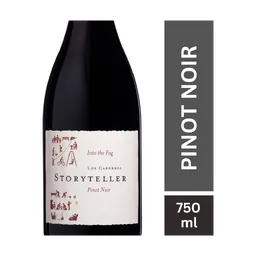
Our take published
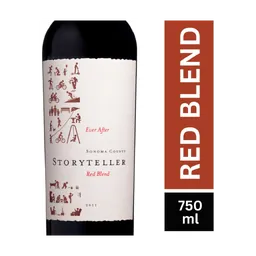
Our take published
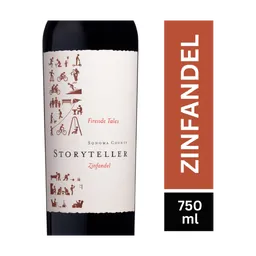
Our take published

Our take published
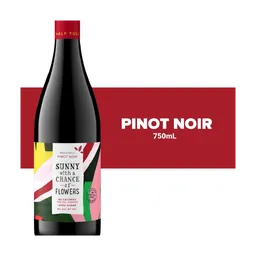
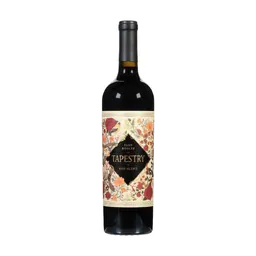
Our take published
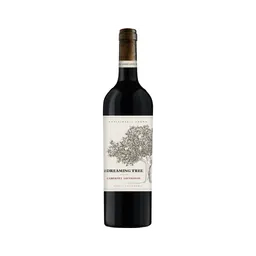
Our take published
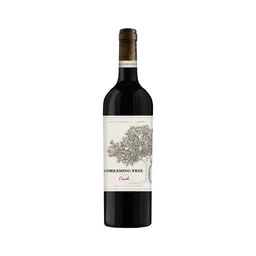
Our take published
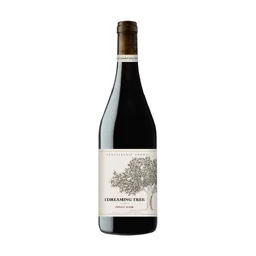
Our take published
Our take published

Our take published
Our take published
Our take published
Our take published

Our take published

Our take published
Our take published
Our take published

Our take published
Our take published

Our take published
Our take published
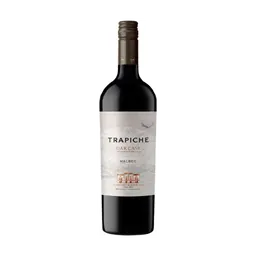
Our take published
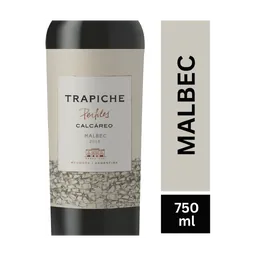
Our take published
Our take published

Our take published
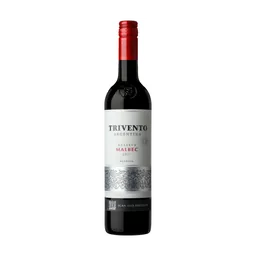
Our take published
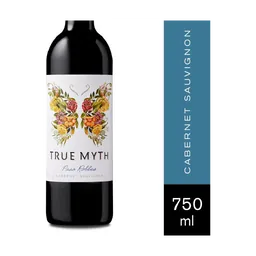
Our take published
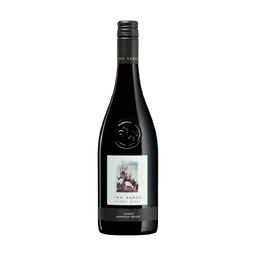
Our take published
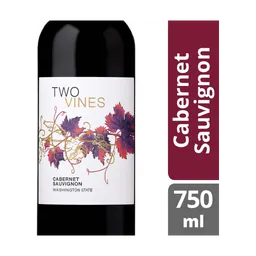
Research underway

Our take published
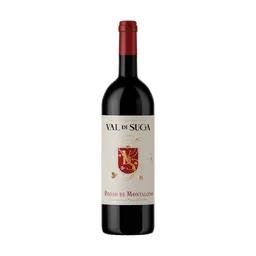
Our take published
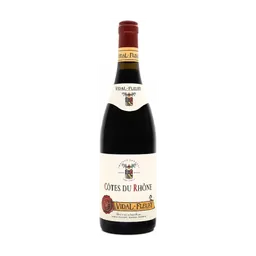
Our take published
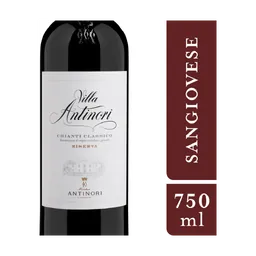
Our take published
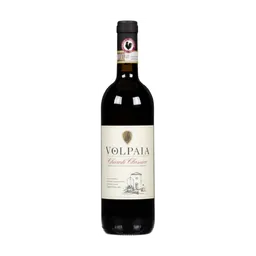

Our take published
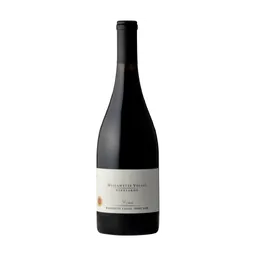
Our take published
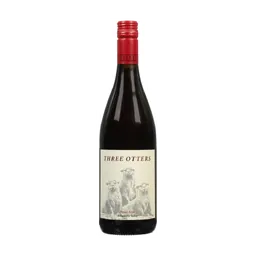
Research underway
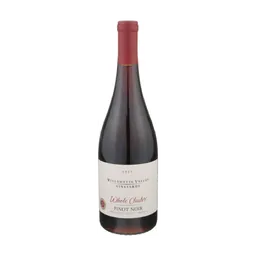
Our take published
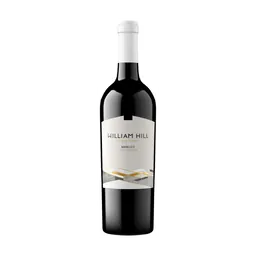
Our take published
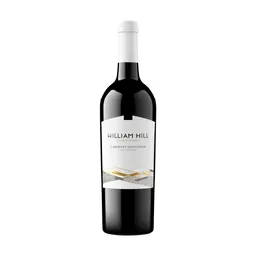
Our take published

Our take published

Research underway

Our take published

Our take published

Our take published

Our take published

Our take published
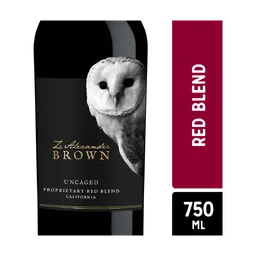
Our take published
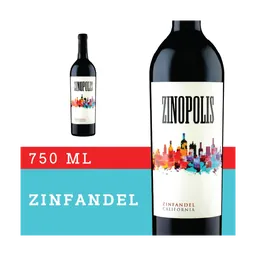
Our take published
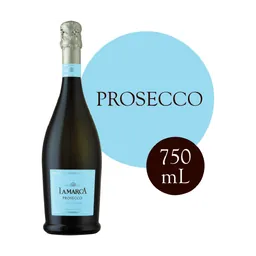
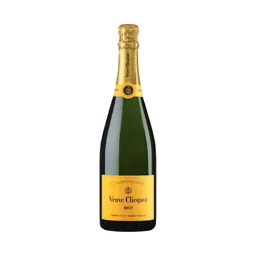
A familiar grocery-store bottle for celebrations. Judge it as Prosecco, including how it is made and how sweet it is, rather than against Champagne.
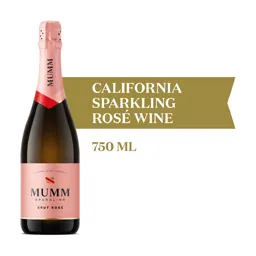
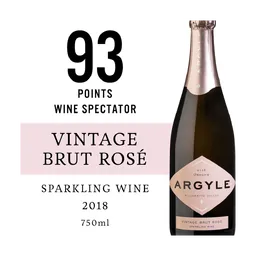
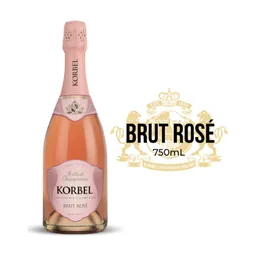
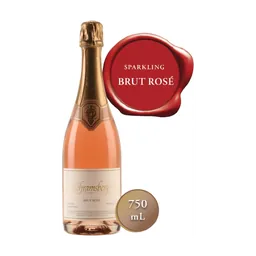
A California rosé made with the same second-fermentation method used for Champagne. The producer publishes useful details about the blend, sweetness, and time spent aging.
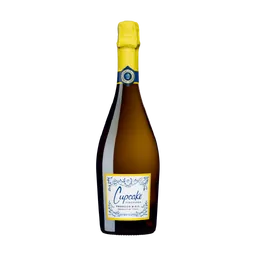
A familiar Prosecco. The official wine rules are more reliable than the store's conflicting country listing.
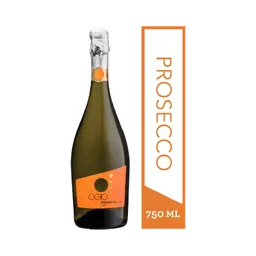
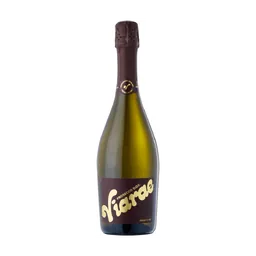
A grocery-store Prosecco we bought and brought home. The label facts are certain; the full research round is underway.

Our take published
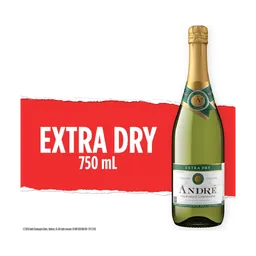
Our take published
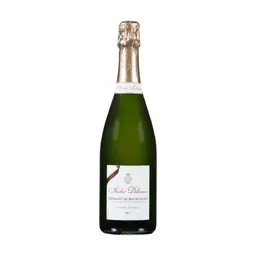
Our take published
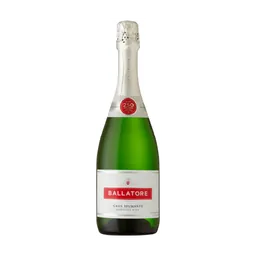
Our take published

Our take published

Our take published
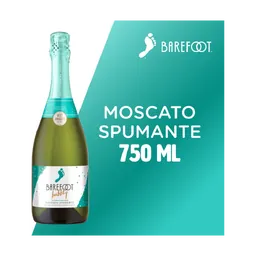
Research underway

Research underway
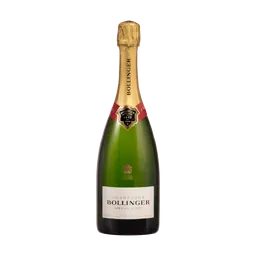
Our take published

Our take published
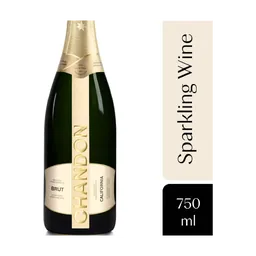
Our take published
Our take published

Our take published

Our take published

Our take published

Our take published
Research underway
Our take published

Our take published

Our take published

Our take published

Our take published
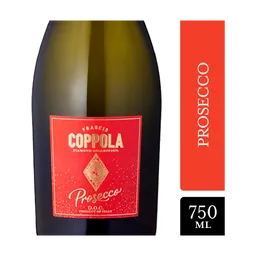
Our take published
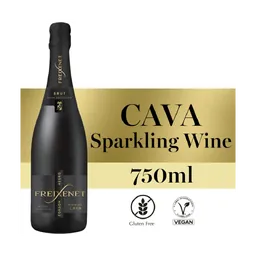
Our take published
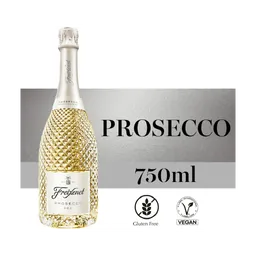
Our take published

Our take published
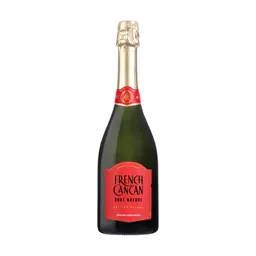
Our take published
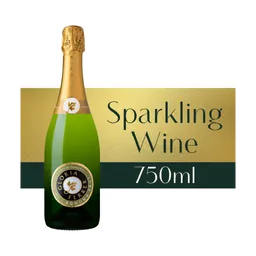
Our take published
Our take published
Our take published
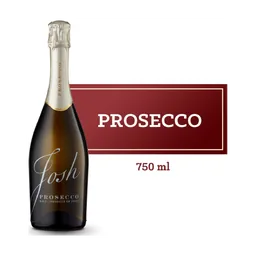
Our take published
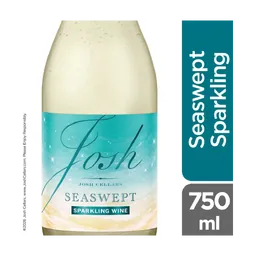
Our take published

Our take published
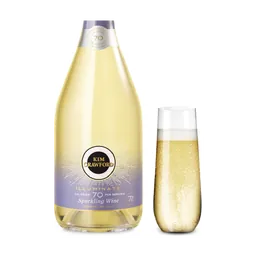
Our take published

Our take published
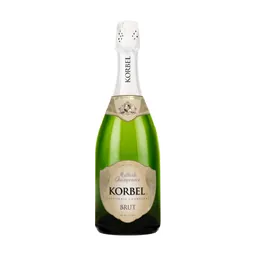
Our take published

Our take published
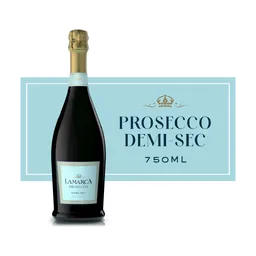
Our take published
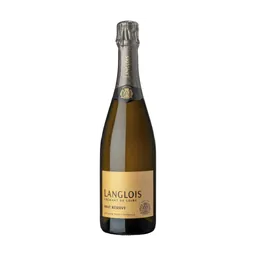
Our take published
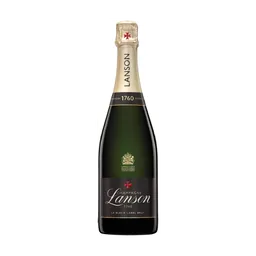
Our take published
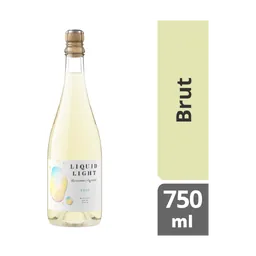
Our take published

Our take published
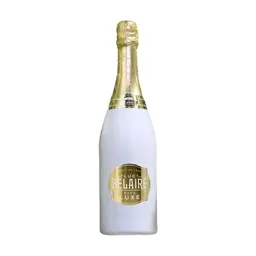
Our take published

Our take published
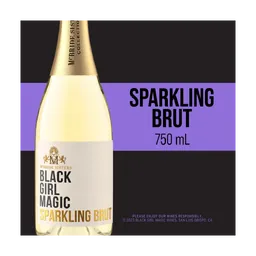
Research underway
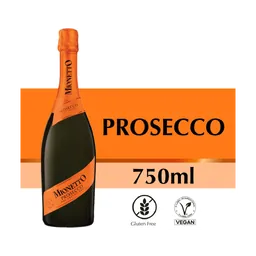
Our take published

Our take published
Our take published
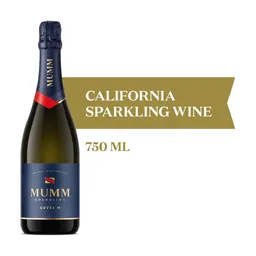
Our take published
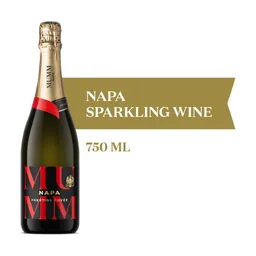
Our take published
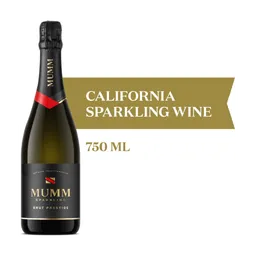
Our take published
Our take published
Our take published

Our take published
Our take published
Our take published
Our take published
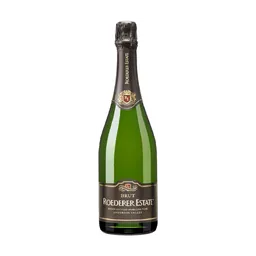
Our take published
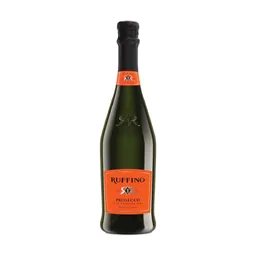
Our take published
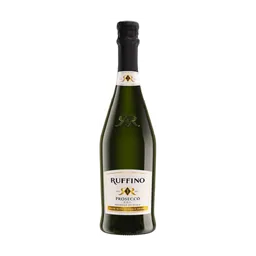
Our take published
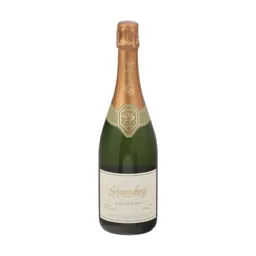
Our take published
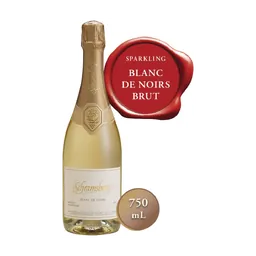
Our take published
Our take published

Our take published
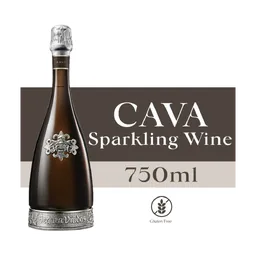
Research underway
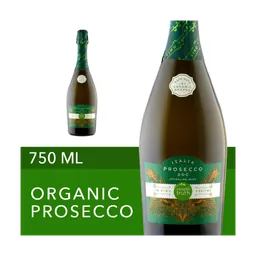
Our take published
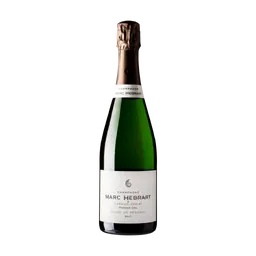
Our take published
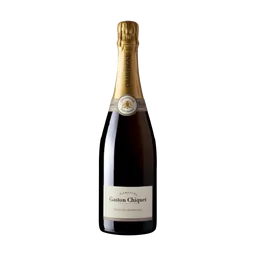
Our take published
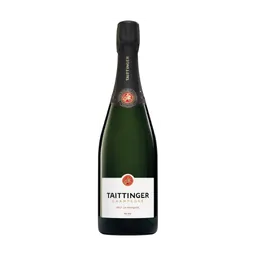
Our take published
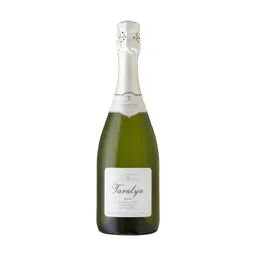
Our take published

Our take published
Our take published
Our take published

Our take published
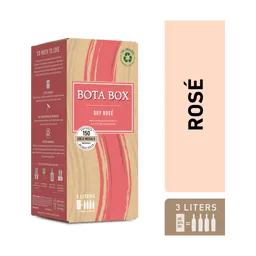
Boxed rosé deserves a fair look at the package, freshness after opening, and how much wine the box holds.
Research underway
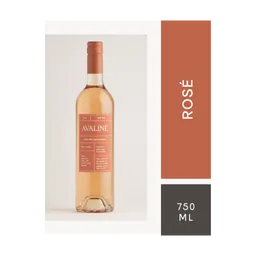
Our take published
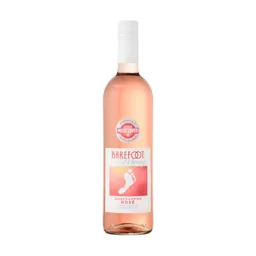
Our take published
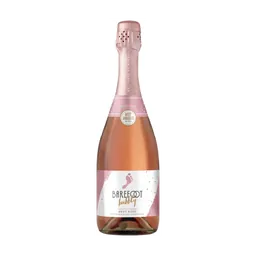
Research underway
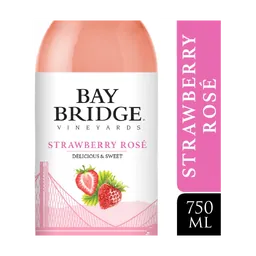
Our take published
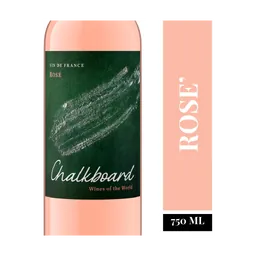
Our take published
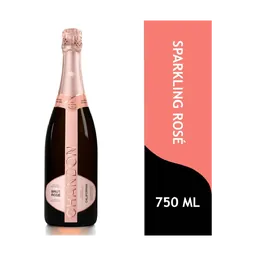
Our take published
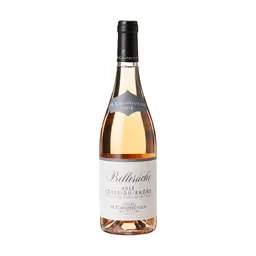
Our take published
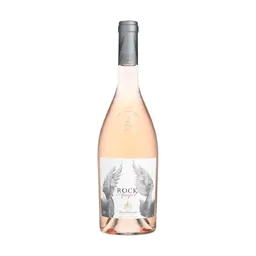
Our take published
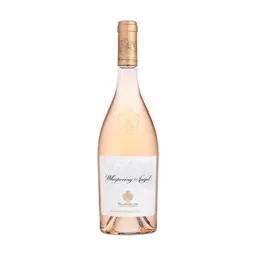
Our take published
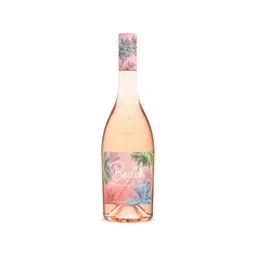
Our take published

Our take published
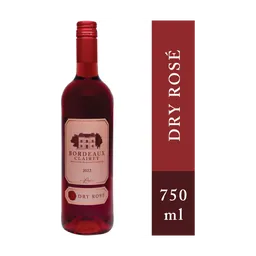
Our take published

Our take published
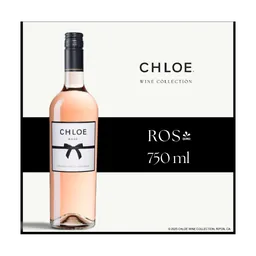
Our take published
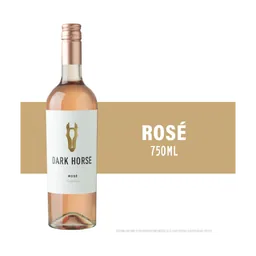
Our take published
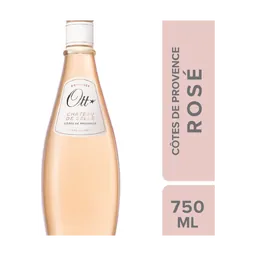
Our take published

Our take published
Our take published

Our take published

Our take published
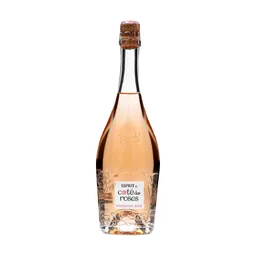
Our take published
Our take published
Our take published

Our take published
Our take published

Our take published
Research underway
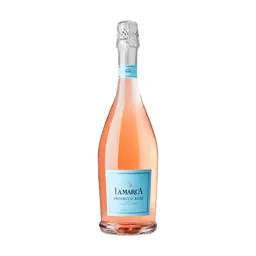
Our take published
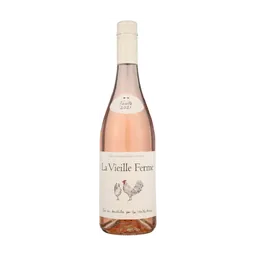
Our take published
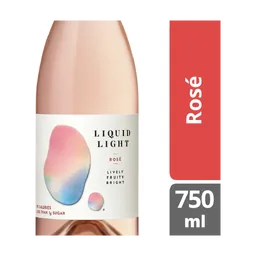
Our take published
Our take published
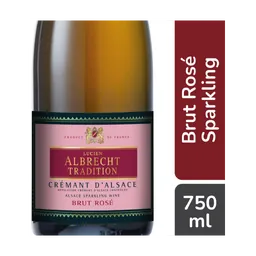
Our take published
Our take published

Our take published

Our take published
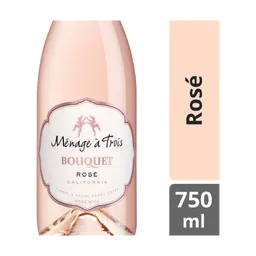
Our take published
Our take published
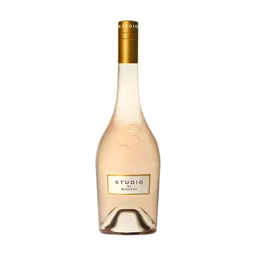
Our take published

Our take published
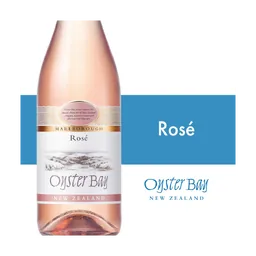
Our take published
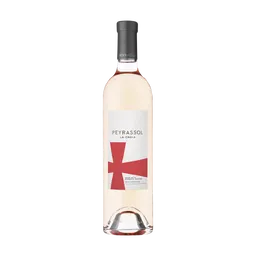
Our take published
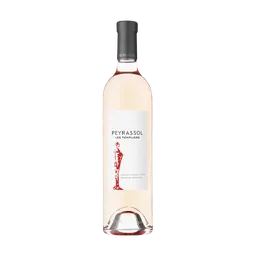
Our take published
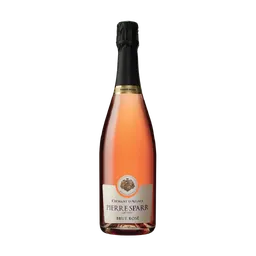
Our take published
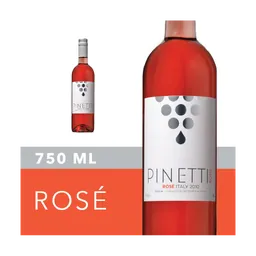
Our take published

Our take published
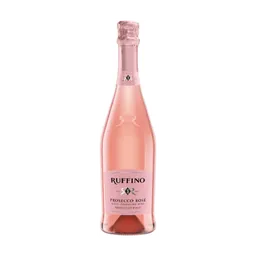
Our take published
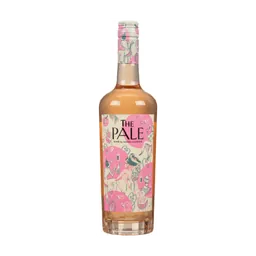
Our take published
Our take published
Our take published
Our take published
Our take published
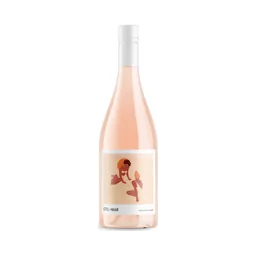
Our take published
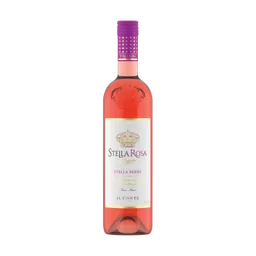
Research underway
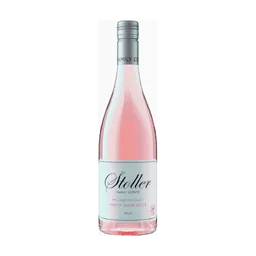
Our take published
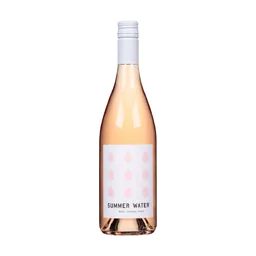
Our take published

Our take published
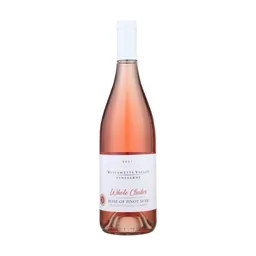
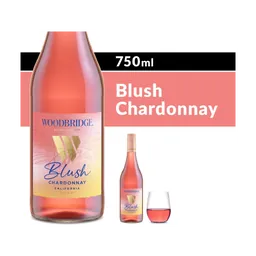
Our take published

Our take published
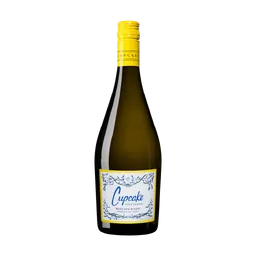
Sweetness is not a defect. The useful review explains balance, fizz, alcohol, and occasion without apologizing for the style.
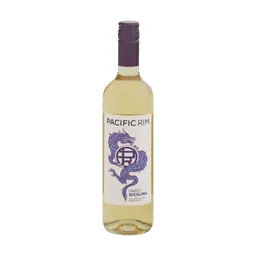
An intentionally sweet, low-alcohol Riesling. Published sugar and acidity numbers help shoppers judge its balance.