Our take
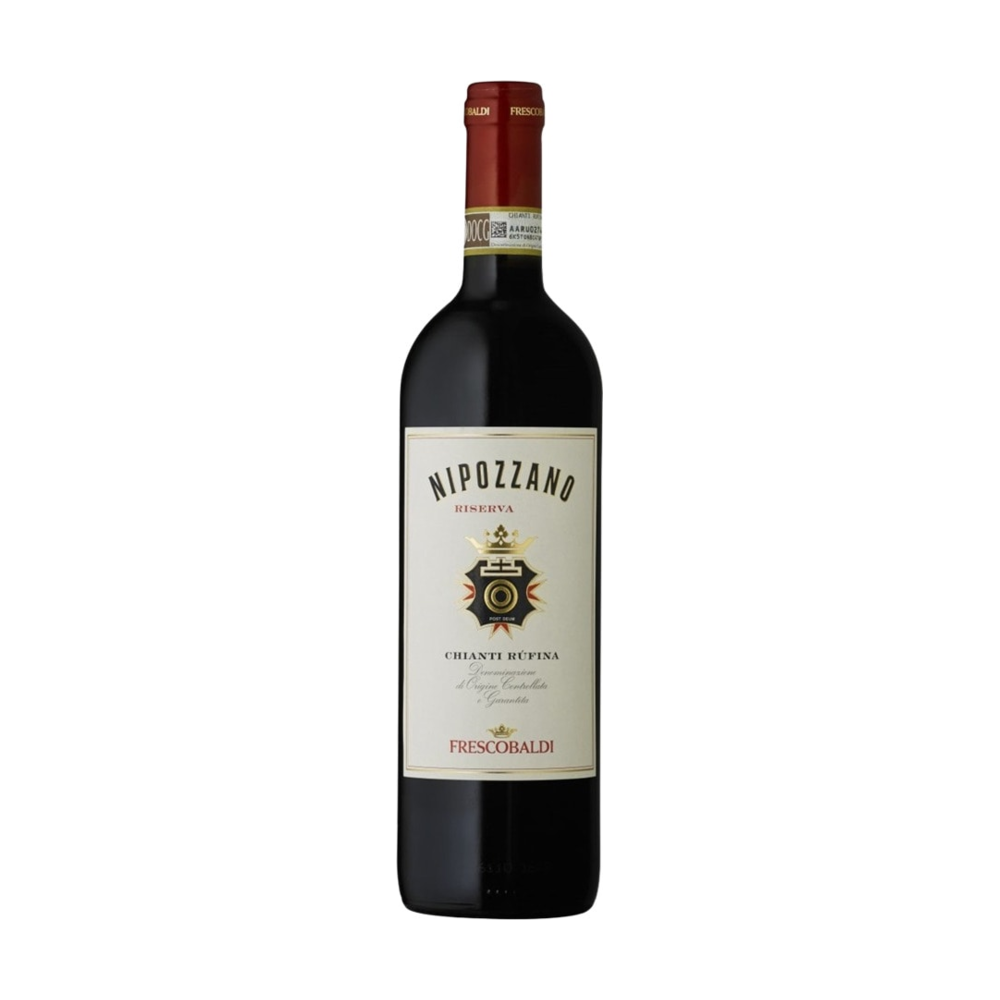
Frescobaldi Nipozzano Chianti Rufina Riserva Italy Red Wine
- Style
- Red wine
- Size
- 750 ml
- Region
- Chianti and Chianti Classico
- Shelf barcode
- 0877397000018
Our take
What we make of this bottle
In our September 2026 checks the stores were far apart on this Chianti Rufina Riserva, one of them pricing it at $19.99. It is a Tuscan red from the wider Chianti zone, which guides place across the hills of central Tuscany, where elevation, slope and the way a vineyard faces the sun set one plot apart from the next. Those guides also stress reading the full name, since Chianti and Chianti Classico are separate Tuscan designations with their own boundaries and rules, not two versions of a single one.
Frescobaldi says its family has made wine in Tuscany since the early 1300s. We do not have a shopper rating for this bottle. Another store, in those same September 2026 checks, listed the identical wine at $44.99, and the estate's own technical sheet now answers what our record used to lack: the grape is Sangiovese, with complementary varieties filling out the blend.
Frescobaldi's estate materials go further than the family's founding date. Castello Nipozzano, the property behind this wine, was a defensive stronghold as far back as the year 1000, and the producer says the name grew from a popular belief that the site had no well, a dry spot that turned out to suit grapevines instead. The current 2023 vintage finishes at 13 percent alcohol (13.5 percent in the 2022 vintage, ordinary variation from one harvest to the next), and the producer's own winemaking notes describe fermentation in steel tanks followed by time in oak barrels, called barriques on the sheet, before further time resting in the bottle.
Our call: this suits a shopper who buys on estate history, and Frescobaldi backs that with real detail: a family in Tuscan winemaking since the early 1300s, a castle estate dating to the year 1000, and a technical sheet naming the grape and the winemaking behind it. Pass if you want a shopper rating before spending here; none has reached our record, so the estate's own account carries the case on its own.
The Grocery Store Wine Desk · written Sep 16, 2026 from our research file for this wine. Numbers reflect our latest checks.
More from the desk.
Related bottles with a written overview and a public evidence file.
Cavaliere d'Oro
Read our take →Ruffino
Ruffino Riserva Ducale Oro Chianti Classico Gran Selezione DOCG Italian Red Wine
Read our take →Dellatorri
Dellatorri Chianti Red Italian Wine
Read our take →Volpaia
Castello di Volpaia Chianti Classico Sangiovese Tuscany Italy Organic Red Wine
Read our take →Dellatorri
Dellatorri Chianti Riserve Italian Red Wine
Read our take →Ruffino
Ruffino Riserva Ducale Chianti Classico DOCG Italian Red Blend Wine
Read our take →The prices we checked
Dated store checks, not a promise about your store.
- Kroger, Atlanta suburbs, GA$19.99
- Kroger, Cincinnati, OH$19.99
- Fred Meyer, Portland, OR$35.99
- King Soopers, Colorado Springs, CO$19.99
- Kroger, Knoxville, TN$20.99
- Kroger, Richmond, VA$21.99
- QFC, Tacoma, WA$44.99
The regular price can vary by store and date.
From the producer
Family history
Frescobaldi says the family has produced wine in Tuscany since the early 1300s.
Research status
What we are still checking
Our overview above draws on the dated store feed, shopper ratings, our region and grape research, and any sourced producer facts. We are still working to confirm the current release, the full producer record, and the bottle itself, and we update this page as we learn more.
Getting to know Chianti and Chianti Classico.
Both names point to Sangiovese-led Tuscan wine, but they have different boundaries and production rules. Reading the full label is the first step because the two names should not be collapsed into one legal category.
What the name means
Chianti DOCG and Chianti Classico DOCG are separate protected Tuscan designations. A bottle labeled Chianti Classico is not simply a smaller wording variant of Chianti.
How grapes grow here
The broad Chianti zone crosses central Tuscan hills, while Chianti Classico occupies higher inland country between Florence and Siena. Elevation, slope and exposure create local differences within both designations.
What lies under the vines
Clay and limestone are common, with sandstone, marl and stony ground varying by district. Neither designation reduces the whole area to one soil.
How large the region is
- Chianti DOCG vineyard base
- The Chianti consortium reports about 15,500 hectares of vineyard and about 3,000 producers.
- Label check
- Keep the complete designation when mapping a wine so Chianti and Chianti Classico remain distinct.
Places within the region
- Chianti DOCG
- The larger designation extends across six Tuscan provinces and includes named zones such as Rufina and Colli Senesi.
- Chianti Classico DOCG
- The historic production zone lies between Florence and Siena and has its own consortium and rules.
Where this information comes from
- Store listing
- Price, package, product identifier. Checked Aug 10, 2026.
- Barcode
- The shelf barcode shown here is computed from the store product identifier. It has not been checked against a bottle.
- Method
- Every price, rating and fact here is a dated observation. How we check.