Our take
Bogle Chardonnay White Wine
- Style
- White wine
- Size
- 750 ml
- Grape
- Chardonnay
- Region
- California
- Shelf barcode
- 0080887493928
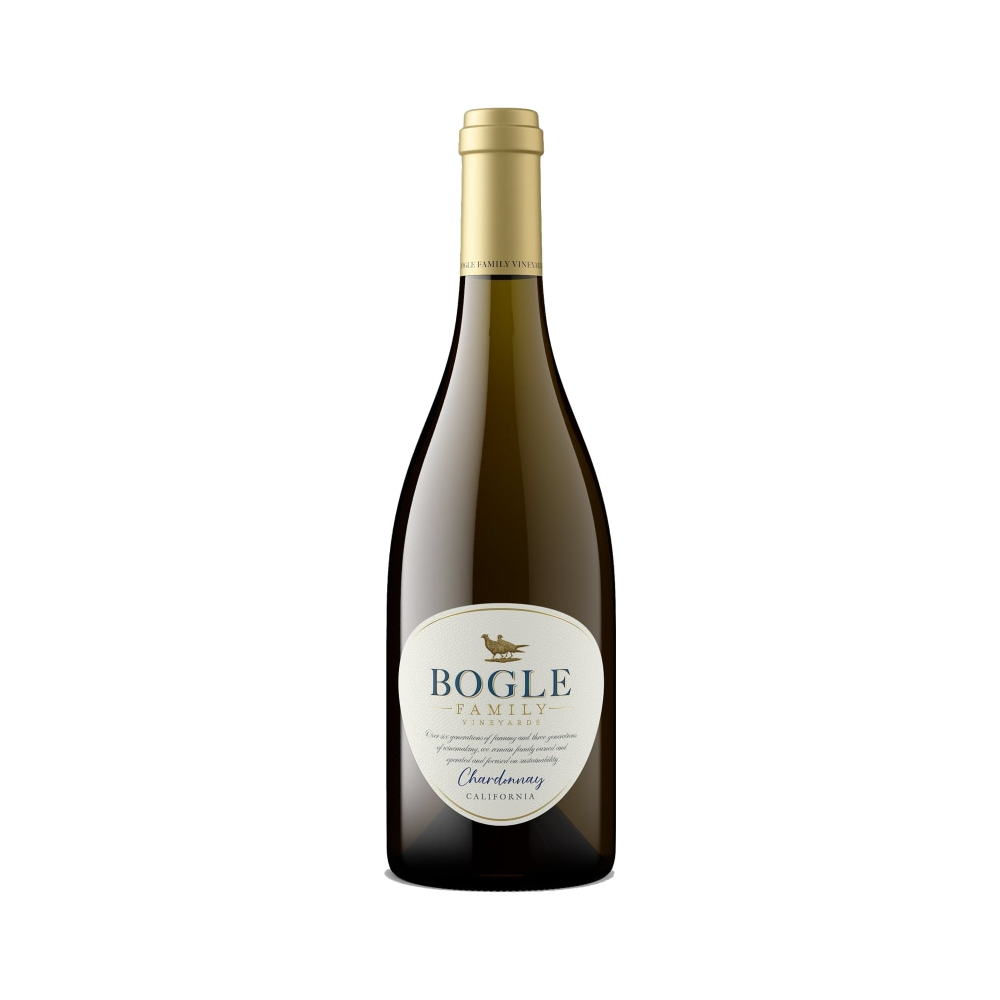
Our take
What we make of this bottle
Chardonnay names the grape, and that is most of what the label settles. Across our September 2026 checks the price sat between $10.99 and $14.99, which places it toward the affordable end of the white wines we track. How the wine was made is not something our evidence specifies. Category guides describe Chardonnay as a white that can be left without oak to stay lighter or given time in oak to gain weight, showing citrus and apple from cooler-grown fruit and stone or tropical fruit when the grapes ripen further. Oak and time on the spent yeast can also add toast, spice and a rounder feel, though the guides call that a choice in the cellar, not a given.
We do not have a shopper rating for this bottle yet. As for the name, Bogle says its history starts in 1968, when the family planted wine grapes for the first time; the first wine released as a Bogle followed in 1978.
Bogle publishes a technical sheet for the 2023 vintage that fills in what the label leaves out: 13.5 percent alcohol, a wine pH of 3.51, and a measured acidity of 0.66. The producer ferments the wine in two equal halves, half in stainless steel tanks and half in oak barrels, then ages it on the spent yeast for eight months, stirring the settled yeast back in by hand once a month, a step the winemaking notes credit for texture. The sheet's own tasting language describes bright citrus, apple and jasmine on the nose, with stone fruit, vanilla, clove and a touch of oak-derived toastiness on the palate, alongside the greener apple and pear the producer's product page also names. The family's own account traces the winery to a single 1968 planting on land in California's Sacramento River Delta, where the producer credits the Delta's dense clay soils and cooling river breezes for the fruit its wines are made from today.
Our call: this suits a shopper who wants a producer's account nailed down in writing: Bogle publishes vintage technical sheets down to the pH and fermentation split, and the bottle's checked price lands toward the affordable end of the white wines we track. Pass if the crowd's opinion is what moves you; no shopper rating has reached our record yet, and the award badge printed on the producer's own page is too faint in our capture to confirm what it says.
The Grocery Store Wine Desk · written Sep 16, 2026 from our research file for this wine. Numbers reflect our latest checks.
More from the desk.
Related bottles with a written overview and a public evidence file.
McManis Family Vineyards
Read our take →Meiomi
Meiomi California Chardonnay White Wine
Read our take →Edna Valley Vineyard
Edna Valley Vineyard Chardonnay California White Wine
Read our take →Hess
Hess Select Chardonnay California White Wine
Read our take →Menage a Trois
Menage a Trois Gold Chardonnay California White Wine 750 ml
Read our take →Hahn Winery
Hahn Chardonnay California White Wine
Read our take →The prices we checked
Dated store checks, not a promise about your store.
- Kroger, Atlanta suburbs, GA$10.99
- Kroger, Cincinnati, OH$12.99
- Ralphs, Long Beach, CA$14.99
- Fred Meyer, Portland, OR$14.99
- King Soopers, Colorado Springs, CO$10.99
- Smith's, Las Vegas, NV$13.99
- Kroger, Knoxville, TN$12.99
- Kroger, Richmond, VA$10.99
- Fry's, Tucson, AZ$13.99
- QFC, Tacoma, WA$12.99
The regular price can vary by store and date.
From the producer
Family history
Bogle says the family planted its first wine grapes in 1968 and released its first wine under the family name in 1978.
Research status
What we are still checking
Our overview above draws on the dated store feed, shopper ratings, our region and grape research, and any sourced producer facts. We are still working to confirm the current release, the full producer record, and the bottle itself, and we update this page as we learn more.
Getting to know California.
California on the label is useful provenance but weak detail about place. For these wines, sourcing disclosure, blend construction and house-style consistency carry more decision value than a generic climate paragraph.
What the name means
A state-level appellation, broader than an individual American Viticultural Area. It permits a multi-region blend and does not by itself identify one climate or soil.
How grapes grow here
The state spans cool maritime zones and hot inland valleys. A California designation alone does not reveal which conditions shaped the fruit.
What lies under the vines
At state scale, sourcing and house-style construction matter more than any single soil story.
How large the region is
- Reusable question
- Which counties or AVAs supplied the blend, and did that mix change by release?
Places within the region
- Resolution limit
- County, AVA and vineyard claims begin only when the release names them.
Getting to know Chardonnay.
Chardonnay is a white grape used for still and sparkling wine. It can be made without oak for a lighter shape or fermented and aged in oak for more weight.
Category guide
What to expect in the glass
Official category guides place citrus and apple at the cooler end and stone fruit or tropical fruit in riper examples. Oak and time on the spent yeast can add toast, spice and a rounder texture, but those features are winemaking choices rather than a guarantee.
Sources: New Zealand Winegrowers; Napa Valley Vintners. Checked Aug 10, 2026. See all 116 Chardonnay wines we cover →
Where this information comes from
- Store listing
- Price, package, product identifier. Checked Aug 10, 2026.
- Barcode
- The shelf barcode shown here is computed from the store product identifier. It has not been checked against a bottle.
- Method
- Every price, rating and fact here is a dated observation. How we check.