Our take
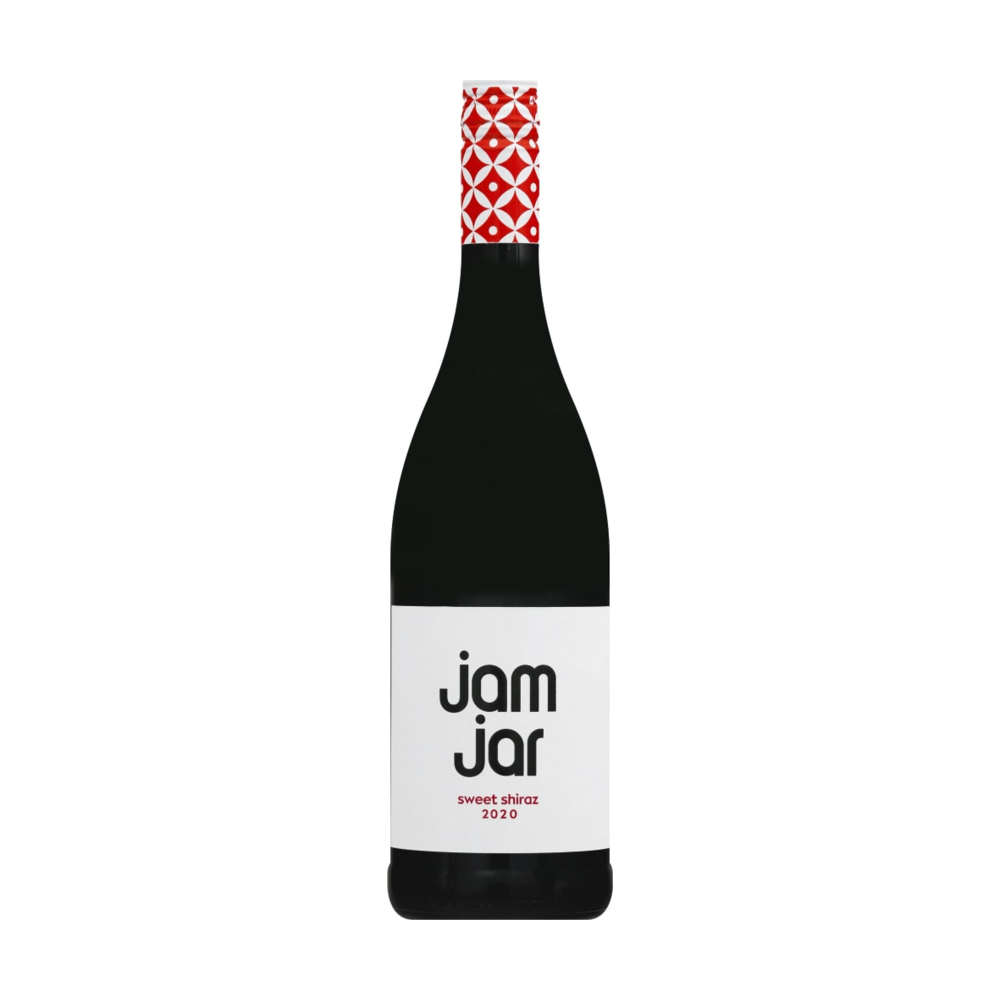
Jam Jar Western Cape Shiraz Red Wine
- Style
- Red wine
- Size
- 750 ml
- Grape
- Syrah
- Region
- South Africa
- Shelf barcode
- 0755738000975
Our take
What we make of this bottle
Is the cheap bottle ever the right call? Here is what the label and our own records can tell you. It is a Shiraz from South Africa's Western Cape. Shiraz and Syrah are two names for one grape, and the choice between them sometimes hints at the style the producer intends. Regional guides describe it in dark berry, plum and pepper, with medium to full body and firm structure. The same regional guides add that it can run more peppery and fresh from cooler vineyards and riper from warmer ones. We have no confirmed producer account behind this bottle, so we cannot say which of those it leans toward.
The producer's own copy changes the picture the regional guides sketch out above. Jam Jar Wines describes this bottle itself as "not your typical Shiraz": a semi-sweet wine with "aromas and flavors of ripe, juicy berries with dark chocolate undertones" and, in the producer's words, "the perfect balance between sweetness and acidity." That is a different style than the dry, firmly structured Shiraz the regional guides describe; Jam Jar built its whole brand around this softer, sweeter lane, stating plainly that its wines are made for shoppers "who like their wines on the sweeter side." The South African origin traces to an importer listing, Cape Classics of Somerset West, Western Cape, rather than a statement on the wine itself; alcohol content and residual sugar figures are not published anywhere on the producer's site.
Two numbers finish the picture. In our September 2026 checks it was listed between $10.49 and $19.99, and if price is steering your choice, this is one of the least expensive reds we track. 2 ratings put it at 5, as high as the store's scale goes.
Our call: buy it for what its maker says it is, a deliberately semi-sweet Shiraz built for the balance of sweetness and acidity, an inexpensive pour for the sweet-red table. Pass if you reached for Shiraz expecting the dry, firmly structured style the regional guides describe; the producer itself says this is not that wine.
The Grocery Store Wine Desk · written Sep 16, 2026 from our research file for this wine. Numbers reflect our latest checks.
More from the desk.
Related bottles with a written overview and a public evidence file.
Bayten
Read our take →Sideshow Wines
Sideshow Spicy Shiraz
Read our take →Yellow Tail
Yellow Tail Shiraz Australia Red Wine
Read our take →Columbia Crest
Columbia Crest Grand Estates Syrah Washington Red Wine
Read our take →Two Hands
Two Hands Gnarly Dudes Shiraz Australian Red Wine
Read our take →Rue De Perle
Rue De Perle Cotes-Du-Rhone Village Red Wine
Read our take →The prices we checked
Dated store checks, not a promise about your store.
- Kroger, Atlanta suburbs, GA$10.49
- Kroger, Cincinnati, OH$12.99
- Ralphs, Long Beach, CA$13.99
- Kroger, Richmond, VA$19.99
The regular price can vary by store and date.
Research status
What we are still checking
Our overview above draws on the dated store feed, shopper ratings, our region and grape research, and any sourced producer facts. We are still working to confirm the current release, the full producer record, and the bottle itself, and we update this page as we learn more.
Getting to know South Africa.
A South Africa label covers several wine areas around the Cape and farther inland. It establishes country origin, but a region, district, ward or exact producer record is needed before attaching local conditions to a bottle.
What the name means
South Africa is a country origin, not one Wine of Origin district or ward. The national system separates geographical units, regions, districts, wards and individual estates.
How grapes grow here
Many major wine areas have warm, dry summers and winter rain, but ocean distance, mountains and inland heat create a wide national range. One national climate description cannot fit every vineyard.
What lies under the vines
Granite, shale and sandstone are major parent materials in parts of the Cape, with many local soil forms and alluvial deposits. The country name alone does not identify the ground beneath the vines.
How large the region is
- Vineyard area, 2024
- The national overview reports 86,544 hectares of vines used for wine production.
- Primary growers, 2024
- The industry overview reports 2,255 primary grape growers.
Places within the region
- Coastal Region
- This geographical unit includes districts such as Stellenbosch, Paarl and Swartland, along with their smaller wards.
- Other origin levels
- The Wine of Origin scheme also recognizes other regions, districts, wards and estates under separate names.
Getting to know Syrah.
Syrah is a red grape also called Shiraz on many labels. It can make a varietal wine or join blends, and the chosen name sometimes signals the producer's intended style.
Category guide
What to expect in the glass
Regional guides describe dark berry, plum, pepper and savory notes, with medium to full body and firm structure. Cooler growing conditions can emphasize pepper and freshness, while warmer sites can bring riper fruit and more weight.
Sources: New Zealand Winegrowers. Checked Aug 10, 2026. See all 5 Syrah wines we cover →
Where this information comes from
- Store listing
- Price, package, product identifier, and shopper rating. Checked Aug 10, 2026.
- Barcode
- The shelf barcode shown here is computed from the store product identifier. It has not been checked against a bottle.
- Method
- Every price, rating and fact here is a dated observation. How we check.