Our take
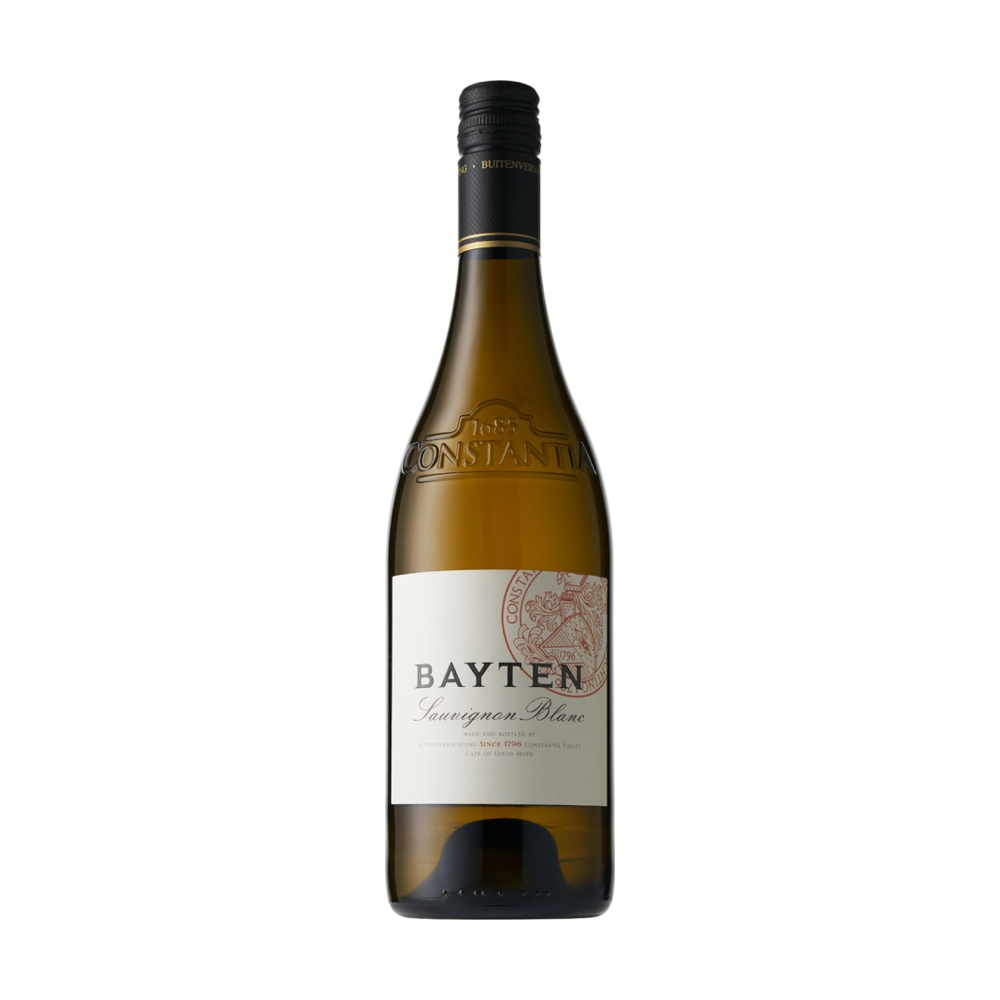
Bayten Sauvignon Blanc
- Style
- White wine
- Size
- 750 ml
- Grape
- Sauvignon Blanc
- Region
- South Africa
- Shelf barcode
- 6001398115868
Our take
What we make of this bottle
Bayten is the name on the wine, and it points to one spot: Cape Classics places it at Buitenverwachting in Constantia, in South Africa. Beyond that account, the origin we can attach with confidence is the country itself, and in the two stores we checked in September 2026 the lowest price we saw was $22.99 and the highest $28.49.
South Africa on a wine names a whole country, not one district or ward. Our region research notes that the country covers many wine areas, from the Cape to farther inland, with warm, dry summers and winter rain common across the major zones. Distance from the ocean, mountains, and inland heat spread conditions so widely that no single description fits every vineyard. The country marks where the wine comes from, not the microclimate of one plot.
The grape is Sauvignon Blanc, which our grape notes describe as a white known for clear aroma and refreshing acidity. Official regional guides describe citrus, green herbs, gooseberry, and tropical fruit across wines made from it, and note that cooler sites can stay green and citrus while warmer, riper fruit can turn tropical.
Cape Classics' importer materials trace Buitenverwachting back further: the estate was originally part of a larger Constantia property founded in 1685 by Simon van der Stel, the Cape's first Dutch governor, later divided and sold off. The Cape Classics sources disagree on the exact dates after that: one gives 1769 for Buitenverwachting's own founding and 1981 for when the Mueller family bought and replanted it, another gives 1773 and 1982. Either way, the farm's “Bayten” nickname comes from the Dutch buitenverwachting, meaning “beyond expectation.”
On this vintage, the importer's spec sheet, credited to winemaker Brad Paton, lists 13 percent alcohol and 5.1 grams per litre of residual sugar, which in plain terms is a dry wine with just a light touch of natural sweetness. The grapes are hand-picked, given 12 hours of skin contact before a cool, three-week fermentation in stainless steel, then rested on the spent yeast in tank for about three months before bottling. The sheet's own tasting note describes “green fig, gooseberry and lime” with “grassy herbal notes” over “elegant underpinnings of mineral and chalk.”
Our call: this suits a shopper who buys on a named estate and a named winemaker; Buitenverwachting's account reaches back to the original 1685 Constantia property, and the importer credits winemaker Brad Paton by name with a full technical sheet besides. Pass if you want shopper validation first: no rating has reached our record, and even the producer's own historical materials cannot settle the exact year the estate changed hands in the twentieth century.
The Grocery Store Wine Desk · written Sep 16, 2026 from our research file for this wine. Numbers reflect our latest checks.
More from the desk.
Related bottles with a written overview and a public evidence file.
Jam Jar
Read our take →Bonterra
Bonterra Sauvignon Blanc California White Wine
Read our take →Sunny with a Chance of Flowers
Sunny with a Chance of Flowers Sauvignon Blanc California Low Calorie White Wine
Read our take →Drylands
Drylands Sauvignon Blanc 2024 Marlborough New Zealand
Read our take →Loveblock
Loveblock Sauvignon Blanc New Zealand White Wine
Read our take →Free Reign
Free Reign Sauvignon Blanc California White Wine
Read our take →The prices we checked
Dated store checks, not a promise about your store.
- Kroger, Atlanta suburbs, GA$28.49
- Kroger, Cincinnati, OH$22.99
The regular price can vary by store and date.
From the producer
Winery home
Cape Classics places Bayten at Buitenverwachting in Constantia, South Africa.
Research status
What we are still checking
Our overview above draws on the dated store feed, shopper ratings, our region and grape research, and any sourced producer facts. We are still working to confirm the current release, the full producer record, and the bottle itself, and we update this page as we learn more.
Getting to know South Africa.
A South Africa label covers several wine areas around the Cape and farther inland. It establishes country origin, but a region, district, ward or exact producer record is needed before attaching local conditions to a bottle.
What the name means
South Africa is a country origin, not one Wine of Origin district or ward. The national system separates geographical units, regions, districts, wards and individual estates.
How grapes grow here
Many major wine areas have warm, dry summers and winter rain, but ocean distance, mountains and inland heat create a wide national range. One national climate description cannot fit every vineyard.
What lies under the vines
Granite, shale and sandstone are major parent materials in parts of the Cape, with many local soil forms and alluvial deposits. The country name alone does not identify the ground beneath the vines.
How large the region is
- Vineyard area, 2024
- The national overview reports 86,544 hectares of vines used for wine production.
- Primary growers, 2024
- The industry overview reports 2,255 primary grape growers.
Places within the region
- Coastal Region
- This geographical unit includes districts such as Stellenbosch, Paarl and Swartland, along with their smaller wards.
- Other origin levels
- The Wine of Origin scheme also recognizes other regions, districts, wards and estates under separate names.
Getting to know Sauvignon Blanc.
Sauvignon Blanc is a white grape known for wines with clear aroma and refreshing acidity. It is usually made as a dry still wine, though sweetness and oak use vary.
Category guide
What to expect in the glass
Official regional guides describe citrus, green herbs, gooseberry and tropical fruit across the category. Cooler sites can emphasize green and citrus notes, while warmer or riper fruit can lean more tropical.
Sources: New Zealand Winegrowers; Napa Valley Vintners. Checked Aug 10, 2026. See all 83 Sauvignon Blanc wines we cover →
Where this information comes from
- Store listing
- Price, package, product identifier. Checked Aug 10, 2026.
- Barcode
- The shelf barcode shown here is computed from the store product identifier. It has not been checked against a bottle.
- Method
- Every price, rating and fact here is a dated observation. How we check.