Our take
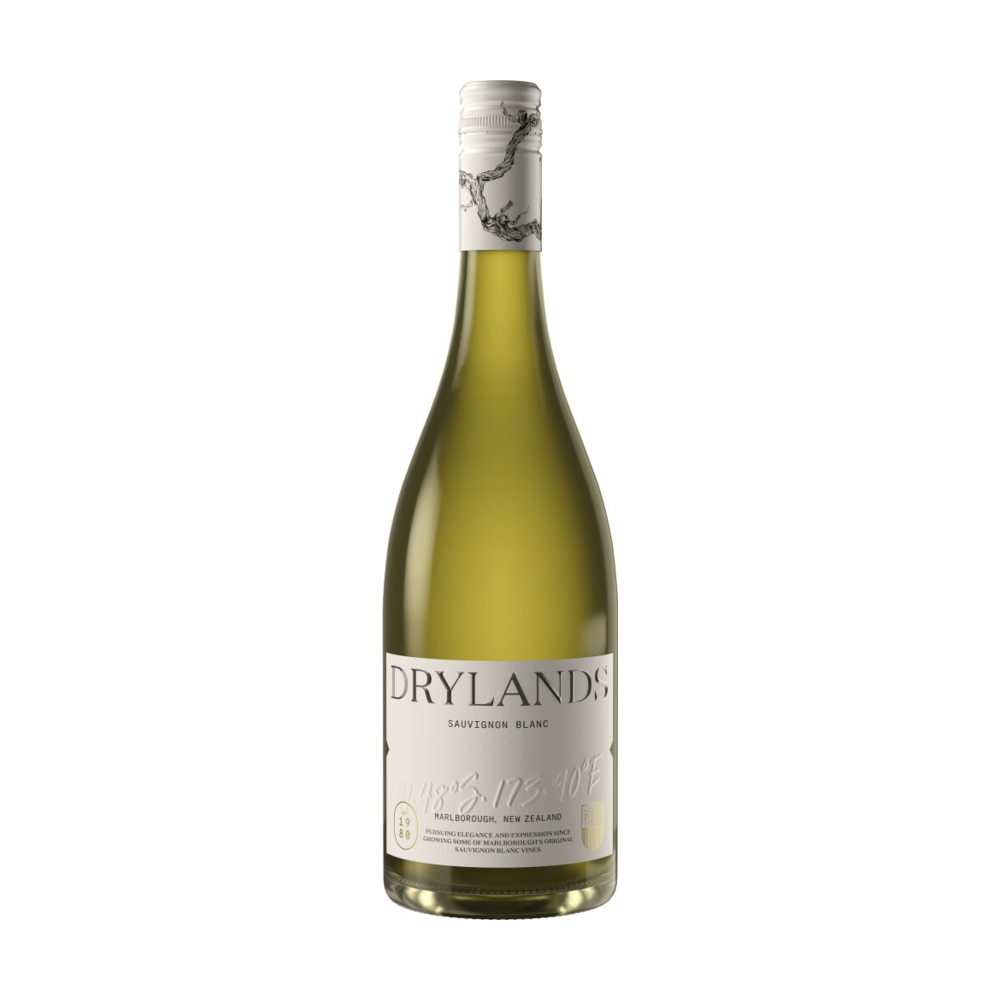
Drylands Sauvignon Blanc 2024 Marlborough New Zealand
- Style
- White wine
- Size
- 750 ml
- Grape
- Sauvignon Blanc
- Region
- Marlborough
- Shelf barcode
- 0086003319004
Our take
What we make of this bottle
The store listing names the grape, the vintage and the region, and the producer is now confirmed too: Drylands, a Constellation Brands label that has made wine in Marlborough since 1980, per the producer's own account. Marlborough, in New Zealand, is the part worth a closer look. Across the shelves we visited in our September 2026 checks, its price landed anywhere from $17.99 to $27.99.
New Zealand Winegrowers describes Marlborough as a cool region with plenty of sun and little rain, and that pairing is the whole trick: warm, bright days build up aroma and flavor in the grapes while cool nights hold onto their acidity. Regional guides reach for citrus, green herbs and gooseberry when they describe Sauvignon Blanc from here, with cooler sites leaning greener and warmer ones more tropical, and that mix of ripe flavor and firm acidity is what the bright days and cool nights help explain. On the listing, shoppers give it 4.67 out of five, from a rating pool that is still small.
For a bottle this specific about grape, year and place, the number of opinions behind that score is the surprise. Just 3 shoppers have rated it so far.
Drylands' own product page describes the wine as 100 percent Sauvignon Blanc, finished at 12.5 percent alcohol, with passionfruit and pink grapefruit aromas, concentrated citrus on the mid-palate, and what the producer calls a subtle crushed oyster shell minerality. That page, captured 2026-08-17, was still showing the 2023 vintage rather than the 2024 release this listing names, so those specific tasting and technical numbers are attested for last year's wine, not confirmed yet for this one.
Our call: worth a look for the producer pedigree. Drylands has made Sauvignon Blanc in Marlborough since 1980 under Constellation Brands, and its usual tasting language, passionfruit and pink grapefruit against a crushed oyster shell minerality, matches what regional guides describe for the area. Pass if you want those specifics confirmed for the exact 2024 vintage on this label; the producer's page we found was still showing last year's release, and the rating pool behind this wine remains small.
The Grocery Store Wine Desk · written Sep 16, 2026 from our research file for this wine. Numbers reflect our latest checks.
More from the desk.
Related bottles with a written overview and a public evidence file.
Stoneleigh Wines
Read our take →Sea Salt
Sea Salt Sauvignon Blanc Marlborough New Zealand
Read our take →Juggernaut
Juggernaut Sauvignon Blanc New Zeland Marlborough
Read our take →Crowded House
Crowded House Marlborough Sauvignon Blanc New Zealand White Wine
Read our take →Decoy
Decoy Featherweight California Sauvignon Blanc
Read our take →Bayten
Bayten Sauvignon Blanc
Read our take →The prices we checked
Dated store checks, not a promise about your store.
- Kroger, Atlanta suburbs, GA$24.99
- Kroger, Cincinnati, OH$20.99
- Ralphs, Long Beach, CA$24.99
- Fred Meyer, Portland, OR$23.99
- King Soopers, Colorado Springs, CO$17.99
- Kroger, Knoxville, TN$17.99
- Kroger, Richmond, VA$27.99
- Fry's, Tucson, AZ$26.99
- QFC, Tacoma, WA$26.99
The regular price can vary by store and date.
Research status
What we are still checking
Our overview above draws on the dated store feed, shopper ratings, our region and grape research, and any sourced producer facts. We are still working to confirm the current release, the full producer record, and the bottle itself, and we update this page as we learn more.
Getting to know Marlborough.
Marlborough is not a generic synonym for punchy Sauvignon Blanc. It is a large, internally varied cool-climate region whose sunlight, low rainfall, free-draining ground and subregional differences give producers useful blending choices.
What the name means
Registered New Zealand wine GI 1004 since 26 February 2018; renewed through July 2032.
How grapes grow here
New Zealand Winegrowers describes a cool climate with high sunshine and low rainfall. Warm, bright days build aroma and flavor while cool nights help retain acidity; the tradeoff is that frost, drought and harvest weather remain real vintage variables.
What lies under the vines
Free-draining, moderately fertile alluvial soils are common, but the region is not uniform. The Southern Valleys carry more clay than the Wairau plain, while river gravels and sandy loams recur through central Wairau sites.
How large the region is
- Producing vineyard area, 2024
- 30,444 hectares
- Sauvignon Blanc area, 2024
- 25,156.78 producing hectares
- Industry sustainability context
- 98% of New Zealand's producing vineyard area is SWNZ certified; bottle-level certification still requires bottle-level evidence.
Places within the region
- Wairau Valley
- The broad valley floor and river terraces at the center of Marlborough's modern Sauvignon Blanc story.
- Awatere Valley
- A cooler, windier southern valley that gives producers a contrasting component for regional blends.
- Southern Valleys
- Omaka, Fairhall, Brancott, Ben Morvan and Waihopai; generally heavier and more clay-influenced than Wairau soils.
Getting to know Sauvignon Blanc.
Sauvignon Blanc is a white grape known for wines with clear aroma and refreshing acidity. It is usually made as a dry still wine, though sweetness and oak use vary.
Category guide
What to expect in the glass
Official regional guides describe citrus, green herbs, gooseberry and tropical fruit across the category. Cooler sites can emphasize green and citrus notes, while warmer or riper fruit can lean more tropical.
Sources: New Zealand Winegrowers; Napa Valley Vintners. Checked Aug 10, 2026. See all 83 Sauvignon Blanc wines we cover →
Where this information comes from
- Store listing
- Price, package, product identifier, and shopper rating. Checked Aug 10, 2026.
- Barcode
- The shelf barcode shown here is computed from the store product identifier. It has not been checked against a bottle.
- Method
- Every price, rating and fact here is a dated observation. How we check.