Our take
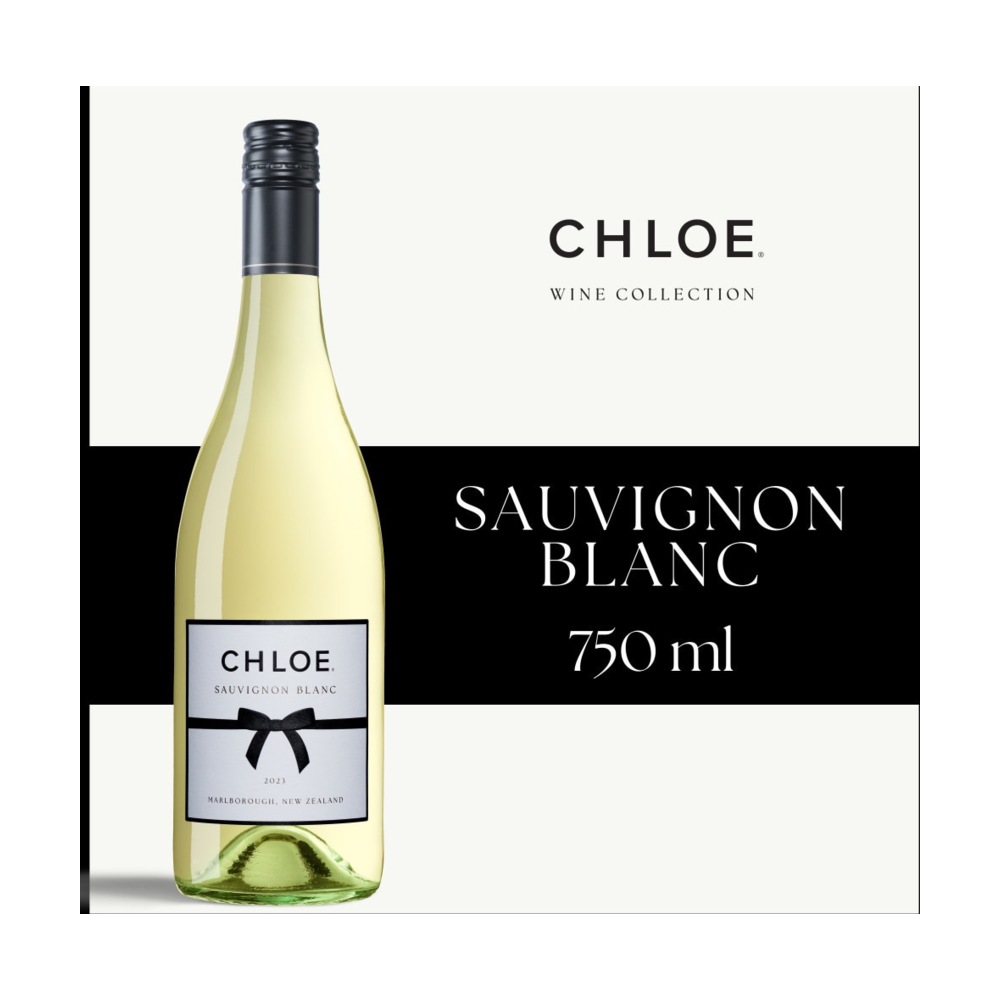
Chloe Sauvignon Blanc New Zealand White Wine
- Style
- White wine
- Size
- 750 ml
- Grape
- Sauvignon Blanc
- Region
- New Zealand
- Shelf barcode
- 0081308011011
Our take
What we make of this bottle
Chloe Sauvignon Blanc, New Zealand
In our September 2026 checks, the lowest observed price for this New Zealand Sauvignon Blanc was $11.99. The crowd behind it is small: the average is 5 out of five, from just 1 rating, thin enough that one more voice could move it.
New Zealand gives a wine like this room to vary. Its vineyards run about 1,600 kilometres from north to south. None sits more than roughly 130 kilometres from the sea, with warmer northern regions, cooler southern regions, and dry eastern rain shadows created by the mountains; the country's named regions include Marlborough, Hawke's Bay and Central Otago. Official guides say Sauvignon Blanc is known for clear aroma and fresh acidity and is usually made dry, and describe citrus, green herbs and gooseberry; cooler sites can emphasize green and citrus notes, while warmer sites or riper fruit can lean more tropical.
The company behind it, The Wine Group, says Chloe was launched as part of its wine portfolio. In those same September 2026 checks, the highest observed price was $19.99.
Chloe's product page narrows the source further than "New Zealand": it names Marlborough specifically, calling the wine "a classic expression of this zesty varietal sourced from prized Marlborough vineyards." Its tasting notes list "tropical fruit aromas and layers of fresh citrus, ripe lychee and juicy pineapple" finishing crisp, the producer's words for a wine winemaker Andrea Brambila says she "recently developed... to showcase bright, refreshing acidity," by the brand's own account its newest addition to the Chloe lineup.
Our call: a fair choice if Marlborough sourcing and the winemaker's own account carry weight for you; Chloe names the region specifically and its maker describes this as her newest addition to the lineup, built for bright acidity. Pass if you buy on the crowd's word instead; the rating pool here is thin enough that one more voice could move it.
The Grocery Store Wine Desk · written Sep 16, 2026 from our research file for this wine. Numbers reflect our latest checks.
More from the desk.
Related bottles with a written overview and a public evidence file.
Loveblock
Read our take →The Crossings
The Crossings Sauvignon Blanc New Zealand White Wine
Read our take →Starborough
Starborough Sauvignon Blanc New Zealand White Wine
Read our take →Martin's Rake
Martins Rake Sauvignon Blanc White New Zealand Wine
Read our take →Brancott Estate
Brancott Estate Sauvignon Blanc New Zealand White Wine
Read our take →Cloudy Bay
Cloudy Bay Sauvignon Blanc New Zealand White Wine
Read our take →The prices we checked
Dated store checks, not a promise about your store.
- Kroger, Atlanta suburbs, GA$13.49
- Kroger, Cincinnati, OH$13.99
- Fred Meyer, Portland, OR$19.99
- King Soopers, Colorado Springs, CO$11.99
- Kroger, Richmond, VA$15.99
- QFC, Tacoma, WA$16.99
The regular price can vary by store and date.
From the producer
Brand ownership
The Wine Group says it launched Chloe as part of its wine portfolio.
Research status
What we are still checking
Our overview above draws on the dated store feed, shopper ratings, our region and grape research, and any sourced producer facts. We are still working to confirm the current release, the full producer record, and the bottle itself, and we update this page as we learn more.
Getting to know New Zealand.
New Zealand's wine regions stretch about 1,600 kilometres from north to south. The ocean is a shared influence, but latitude, rain shadows and local landforms make the regions distinct.
What the name means
New Zealand is the country origin. Its registered wine regions, including Marlborough, Hawke's Bay and Central Otago, provide more precise geographic names.
How grapes grow here
No vineyard is more than 130 kilometres from the ocean, so maritime weather matters nationwide. Northern regions are warmer, southern regions are cooler, and mountains create dry eastern rain shadows in several major growing areas.
What lies under the vines
Young alluvial, volcanic, silt, sand and gravel soils recur across the country in different combinations. A New Zealand label without a region cannot assign the wine to one soil type.
How large the region is
- Producing vineyard area, 2026
- 43,299 hectares were reported in production.
- Producing vineyards, 2026
- The national report counted 2,019 producing vineyards.
Places within the region
- North and east
- Northland, Auckland, Gisborne and Hawke's Bay occupy generally warmer parts of the country.
- South
- Marlborough, Nelson, Canterbury and Central Otago include cooler growing areas at lower latitudes.
Getting to know Sauvignon Blanc.
Sauvignon Blanc is a white grape known for wines with clear aroma and refreshing acidity. It is usually made as a dry still wine, though sweetness and oak use vary.
Category guide
What to expect in the glass
Official regional guides describe citrus, green herbs, gooseberry and tropical fruit across the category. Cooler sites can emphasize green and citrus notes, while warmer or riper fruit can lean more tropical.
Sources: New Zealand Winegrowers; Napa Valley Vintners. Checked Aug 10, 2026. See all 83 Sauvignon Blanc wines we cover →
Where this information comes from
- Store listing
- Price, package, product identifier, and shopper rating. Checked Aug 10, 2026.
- Barcode
- The shelf barcode shown here is computed from the store product identifier. It has not been checked against a bottle.
- Method
- Every price, rating and fact here is a dated observation. How we check.