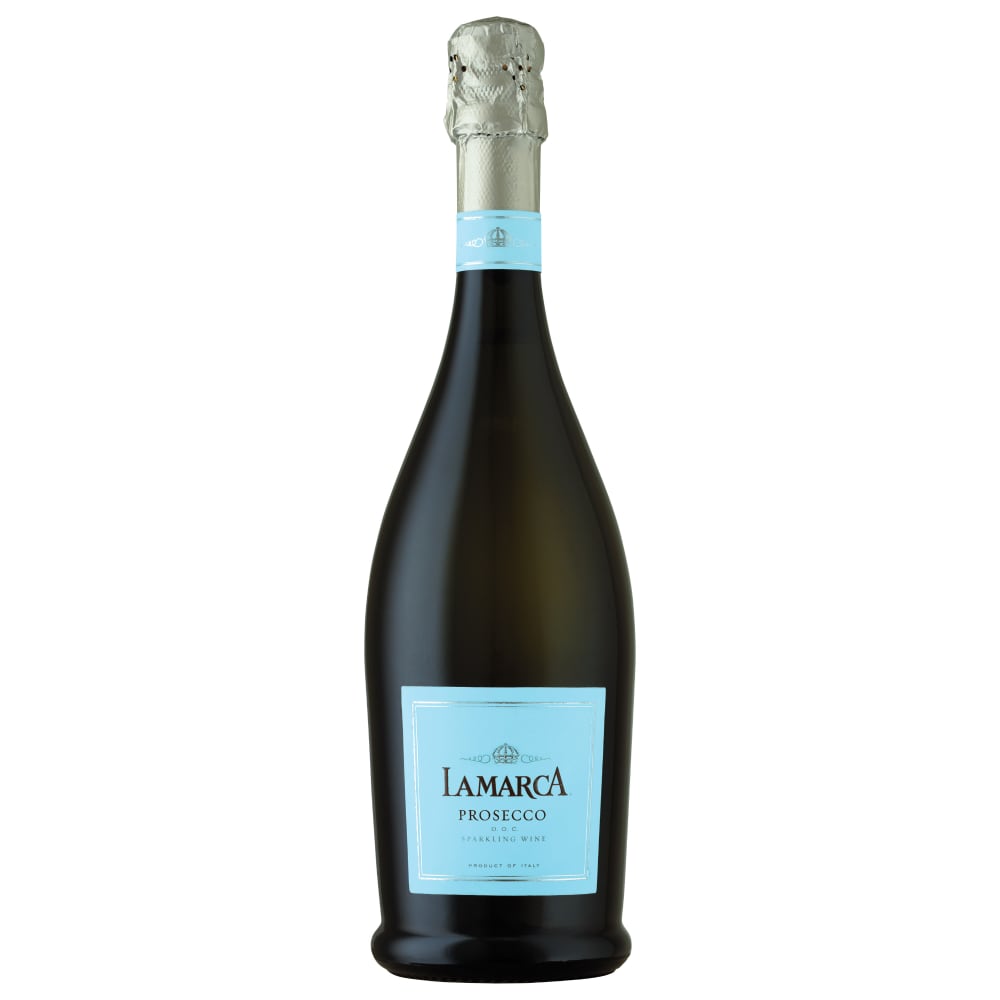
Prosecco DOC category
The Grocery Store Wine verdict
La Marca
Prosecco
La Marca is the default Prosecco for a reason: bright fruit, easy bubbles and near-zero learning curve. Buy it for uncomplicated celebration, not Champagne theater.
- Region
- Prosecco DOC
- Grape
- Glera
- The release we researched
- Non-vintage
- Price context
- 10 exact store checks below
What to expect in the glass.
Here is the style this wine is meant to have, based on its region and how it was made.
Regional-authority category description
The mainstream Prosecco brief
Tank-method category architecture
What it costs
Exact regular prices from dated store checks.
- Kroger, Atlanta suburbs, GA$22.49
- Kroger, Cincinnati, OH$20.99
- Kroger, Knoxville, TN$17.99
- Kroger, Richmond, VA$27.99
- King Soopers, Colorado Springs, CO$15.99
- Fry's, Tucson, AZ$19.99
- Smith's, Las Vegas, NV$24.49
- Fred Meyer, Portland, OR$23.99
- QFC, Tacoma, WA$23.99
- Ralphs, Long Beach, CA$24.99
Observed at specific stores; your store will vary. A price target, not an ad.
La Marca is the default Prosecco for a reason: bright fruit, easy bubbles and near-zero learning curve. Buy it for uncomplicated celebration, not Champagne theater.
Our call combines official producer and regional evidence with the bottle's shopper ratings and category position.
- You want an easy, fruit-led aperitif
- Tank-method freshness is the goal
- You value broad availability and a recognizable package
- You want autolytic, bottle-aged complexity
- You prefer bone-dry sparkling wine
- You need estate or village specificity
Serve chilled, then let the glass warm enough to show aroma and texture.
Build the pairing around its sparkling structure: match weight, sweetness and acidity rather than prestige.
Getting to know Prosecco DOC.
Judge it as Prosecco: a Glera-led, tank-fermented sparkling wine built around freshness and fruit, not as an inexpensive imitation of bottle-fermented Champagne.
What the name means
A controlled denomination since 2009 covering specified provinces in Veneto and Friuli-Venezia Giulia.
How grapes grow here
The DOC crosses plains and hills in northeastern Italy; the broad designation does not identify one village or exposure.
What lies under the vines
Alluvial, clay-loam and hill soils occur across the zone; the base DOC alone is not a single-soil claim.
How large the region is
- Method
- The Martinotti–Charmat method carries out secondary fermentation in pressurized tanks to preserve fruit and floral character.
Places within the region
- Grape rule
- Glera is the base; permitted grapes may contribute up to 15%.
About this bottling
The right benchmark is internal to Prosecco DOC: grape rules, tank method, sweetness category and freshness after opening. The physical bottle must settle whether it is Brut or Extra Dry.
Winemaking
Prosecco DOC requires Glera as the base and commonly uses Martinotti–Charmat secondary fermentation. Brand-specific dosage and base-wine composition remain unverified.
Taste
Expected category profile: pear, apple, citrus and flowers; bottle-specific judgment is reserved.
La Marca
The release page identifies La Marca; corporate ownership is maintained separately from denomination facts.
La Marca is built as a widely distributed expression of Prosecco rather than a single-vineyard sparkling wine.
The category’s tank-fermentation method and sweetness term matter more than Champagne comparisons.
- Denomination
- Prosecco DOC well established
- Grape framework
- Glera-led; up to 15% permitted complementary varieties well established
- Sweetness
- Read the physical label; Brut and Extra Dry are materially different ranges we checked this
Where this information comes from.
We researched this release from the producer's own material and current store listings. We haven't held this exact bottle yet. When we do, we'll say so.
SourcePublisher / how strong the source isChecked
Prosecco DOC production regulation ↗
Consorzio Tutela Prosecco DOCregional authority
La Marca Prosecco story ↗
La Marca Proseccoproducer
Launch assortment rating snapshot
Kroger retailer feedDated product-level signal; vintage and unique audience are not established.
Front, back, fine print.
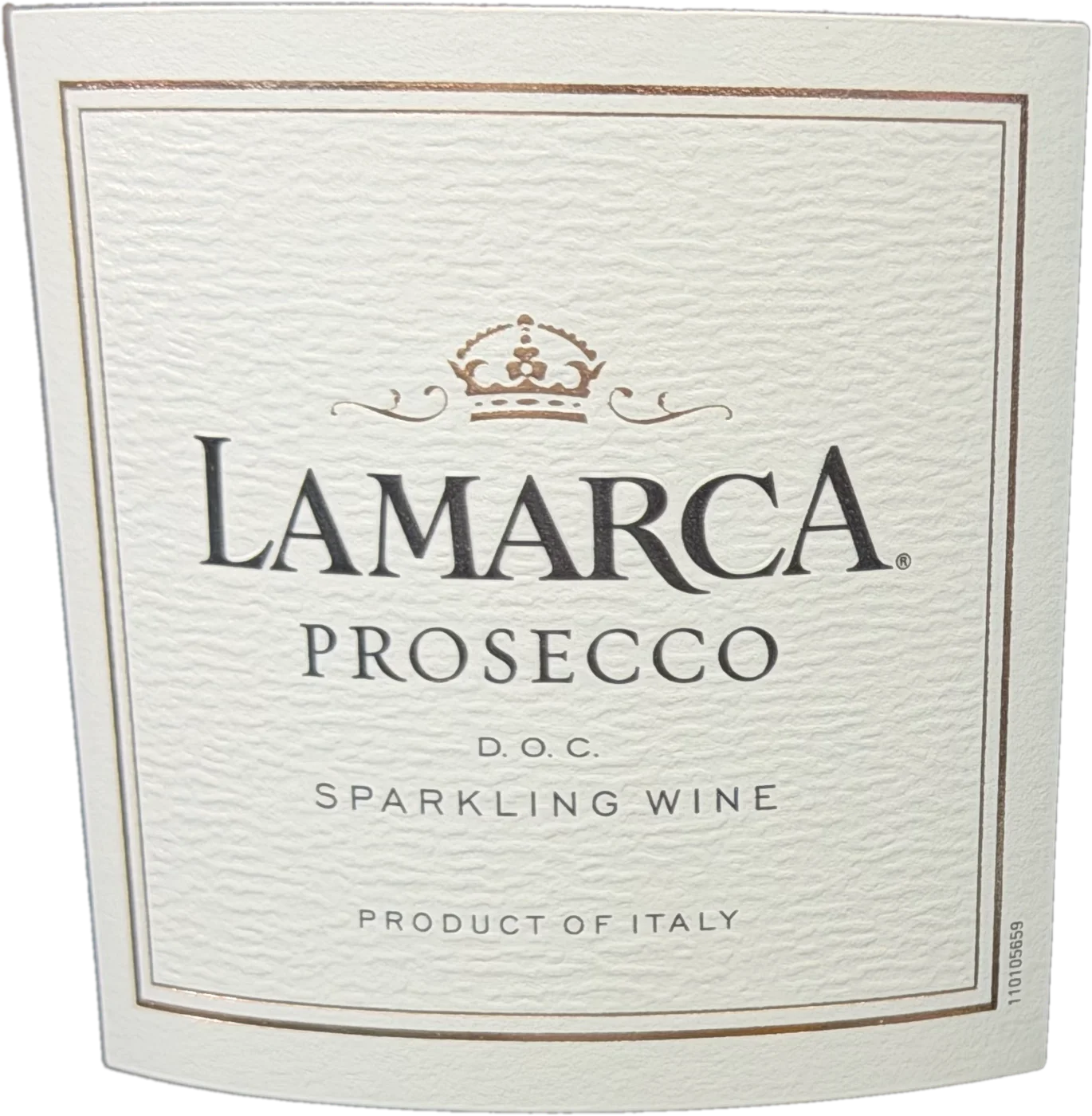
The label, the barcode and the fine print, captured so you can read what the bottle actually says.