Our take
St Hubert’s The Stag Paso Robles Red Wine Blend
- Style
- Red wine
- Size
- 750 ml
- Region
- Paso Robles
- Shelf barcode
- 0089819722983
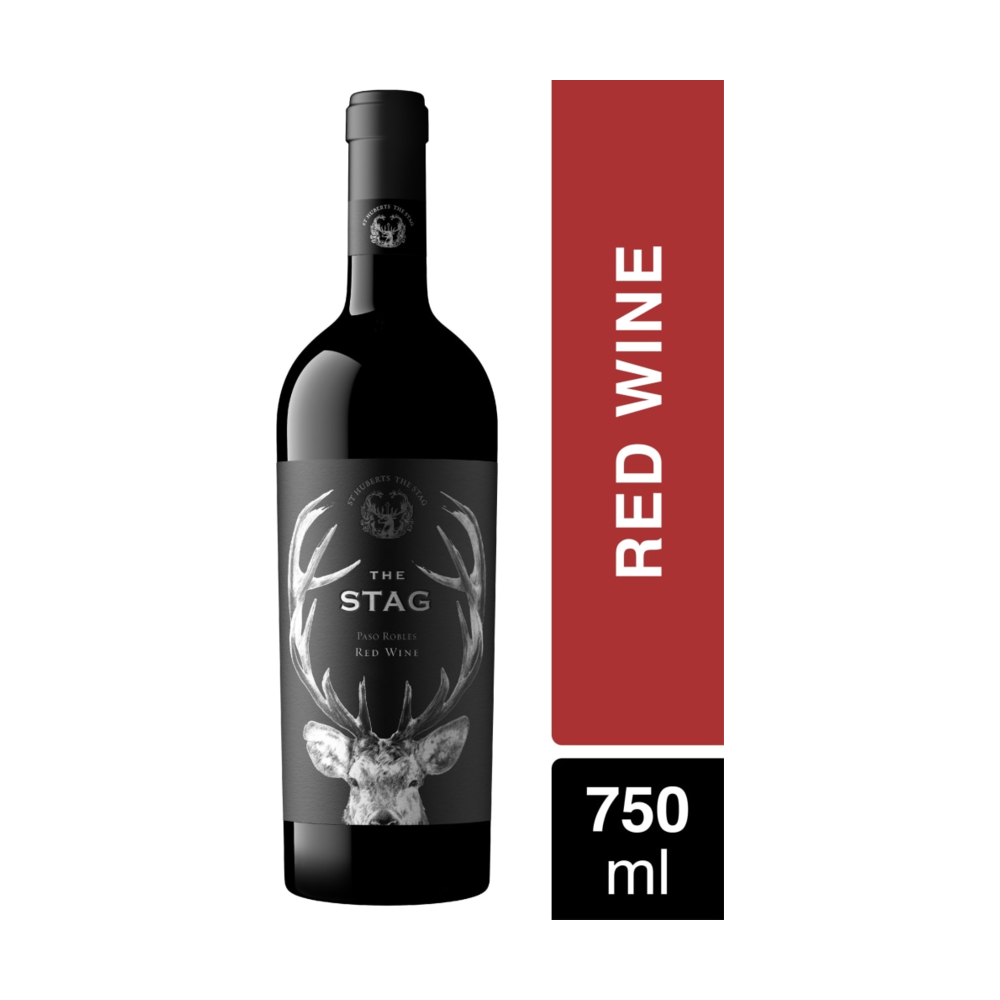
Our take
What we make of this bottle
And it is the rating, more than the price, that stands out with this one. St Hubert's The Stag, which 3 shoppers have rated 3.67 out of five, sits among the lower-rated reds we track. It is a red blend from Paso Robles in California, priced between $22.99 and $26.99 in our September 2026 checks.
We cannot confirm which grapes fill the blend, or who makes it. Its origin, though, is not in doubt, and if you are weighing Paso Robles reds against one another, the place is worth knowing: regional guides describe Paso Robles as a large stretch of California's Central Coast, its many districts shaped by coastal openings, hills and river plains, where warm afternoons cool off sharply after dark.
The producer's own site names the wine for St Hubert, the patron saint of the hunt, and tells the story behind the label: a 7th-century nobleman who had an epiphany during a hunt after encountering a stag carrying a shining cross between its antlers. For the 2020 vintage, the producer's tasting note describes a dark ruby, deep mauve color with flavors of boysenberry, black cherry and plum alongside vanilla, chocolate and mocha, calling the wine "full and luscious" with firm, broad tannins and a persistent finish, the maker's words. The producer's own account of the 2020 growing season calls it a warm, dry year with strong bud break, a few unusual heatwaves that pushed flavor development further, and, despite wildfires elsewhere in California that year, one it considers among the best vintages Paso Robles has seen. The producer's technical sheet leaves alcohol content, pH and the winemaker's name blank, so those figures are still not published.
Our call: pick it if a Paso Robles red with a story on the label and the maker's full, dark-fruited description suits your table; the producer tells its St Hubert legend and its 2020 vintage plainly. Pass if numbers matter more than narrative; alcohol, pH and the winemaker's name all go unpublished, and the three shopper ratings on our record average middling.
The Grocery Store Wine Desk · written Sep 16, 2026 from our research file for this wine. Numbers reflect our latest checks.
More from the desk.
Related bottles with a written overview and a public evidence file.
Bezel
Read our take →Bootleg
Bootleg Paso Robles Cabernet Sauvignon California Red Wine
Read our take →The Hess Collection
Hess Maverick Ranches MVRK Cabernet Sauvignon, Paso Robles 750ml
Read our take →Harvey & Harriet
Harvey & Harriet Red Blend Paso Robles
Read our take →The Stag
St. Hubert's The Stag Paso Robles Cabernet Sauvignon Red Wine
Read our take →Daou Vineyards
DAOU Cabernet Sauvignon Paso Robles Red Wine
Read our take →The prices we checked
Dated store checks, not a promise about your store.
- Kroger, Atlanta suburbs, GA$23.99
- Kroger, Cincinnati, OH$22.99
- Fred Meyer, Portland, OR$26.99
- Kroger, Richmond, VA$25.99
The regular price can vary by store and date.
Research status
What we are still checking
Our overview above draws on the dated store feed, shopper ratings, our region and grape research, and any sourced producer facts. We are still working to confirm the current release, the full producer record, and the bottle itself, and we update this page as we learn more.
Getting to know Paso Robles.
Paso Robles is a very large appellation, not one uniform valley. Coastal openings, mountains, river plains and elevation create different growing conditions across its districts.
What the name means
Paso Robles is a federally recognized American Viticultural Area in San Luis Obispo County on California's Central Coast. Eleven named districts divide the larger AVA.
How grapes grow here
Warm, dry summer days are followed by much cooler nights. The Templeton Gap and other openings in the Santa Lucia Range pull marine air inland, with the strength of that cooling changing from west to east.
What lies under the vines
More than 30 soil series occur in the AVA. Calcareous shale and other marine sedimentary rocks are important, alongside granite-derived, volcanic, sandy, loamy and clay-rich ground.
How large the region is
- AVA area
- The appellation covers about 612,000 acres.
- Vineyard area
- More than 40,000 acres are planted to wine grapes.
Places within the region
- Western districts
- Adelaida, Willow Creek and Templeton Gap include hill and mountain sites with stronger coastal influence.
- Eastern districts
- Estrella, Geneseo and San Juan Creek include broader plains and hills farther from the Pacific.
Where this information comes from
- Store listing
- Price, package, product identifier, and shopper rating. Checked Aug 10, 2026.
- Barcode
- The shelf barcode shown here is computed from the store product identifier. It has not been checked against a bottle.
- Method
- Every price, rating and fact here is a dated observation. How we check.