Our take
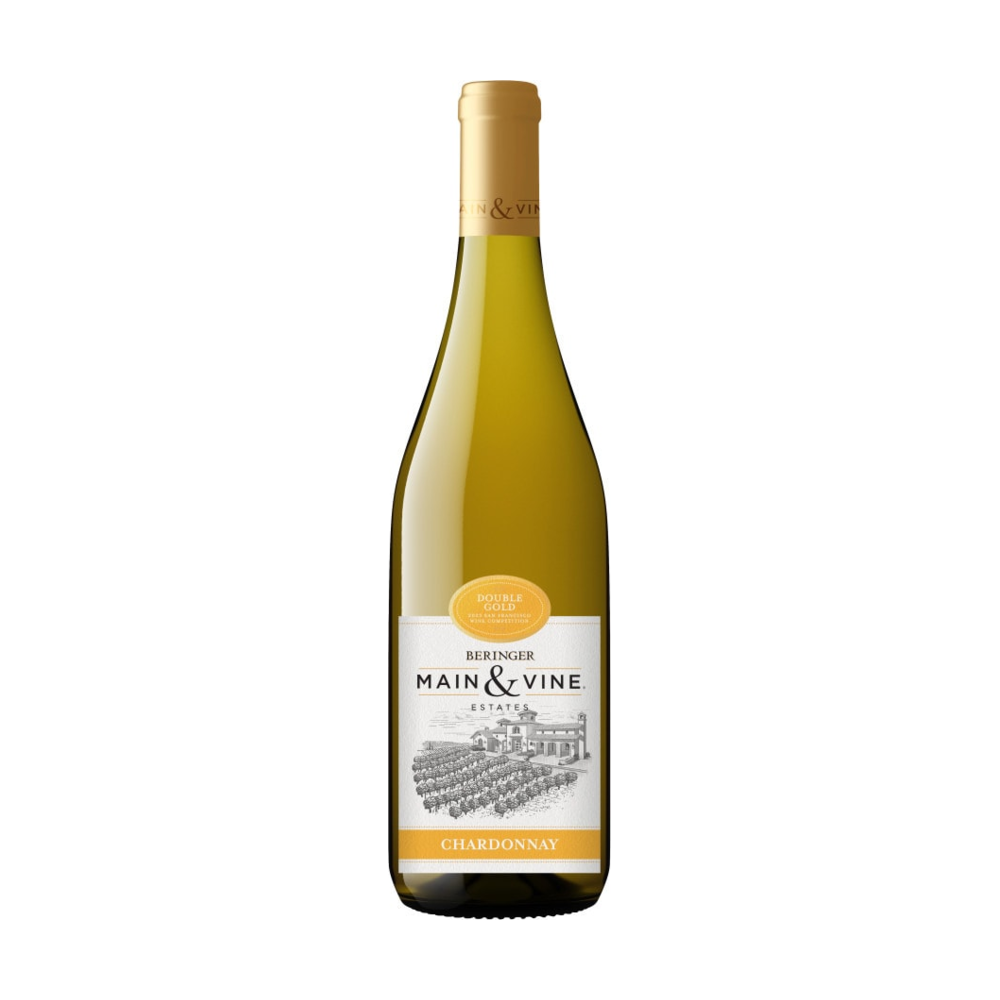
Beringer Main & Vine Chardonnay California White Wine
- Style
- White wine
- Size
- 750 ml
- Grape
- Chardonnay
- Region
- California
- Shelf barcode
- 0089819001712
Our take
What we make of this bottle
As of August 12, 2026, the five stores we checked were asking between $6.99 and $14.99 for this Chardonnay. Among the whites we track, that low end sits right at the bottom, with almost nothing we price coming in cheaper.
Chardonnay can change a lot with one decision in the cellar. Made without oak, official category guides note, it stays lighter; fermented and aged in oak, it can take on more weight, and oak and time on the spent yeast can add toast and a little spice. Which way this bottle went is the winemaker's call rather than a promise the grape makes, and though the 4 shoppers who rated it gave it 5 out of five, a score speaks to how it was received, not to whether it saw oak.
There is real history behind the name. Beringer traces its founding to Frederick and Jacob Beringer, who started the winery in St. Helena and made its first vintage in 1876.
On shelf, this bottle carries the name Main & Vine rather than Beringer outright: Main & Vine is a separate consumer-facing brand under the same parent company, bottled in Ripon, California, and its own product page describes the wine as “a wonderfully approachable and refreshing wine” with “lush fruit flavors and aromas,” where “bright citrus perfectly offsets the honeyed apricot.” A retailer's page ties the bottle back to Beringer directly, describing “crisp apple, melon, and a hint of honey” and calling the balance between fruit and a light touch of time in oak “a testament to Beringer's winemaking legacy.” Neither page states the wine's alcohol content or vintage.
Our call: buy it for the price and the Beringer name behind it if that combination is what you are shopping for; among the whites we track, its shelf price sits at the very bottom, and the producer traces its lineage to Frederick and Jacob Beringer's 1876 founding. Pass if you want the bottle itself to say Beringer, or if oak treatment and vintage matter to you; the shelf-facing Main & Vine brand states neither, and it is only a retailer's page, not the producer's own, that ties this wine's style back to that history.
The Grocery Store Wine Desk · written Aug 17, 2026 from our research file for this wine. Numbers reflect our latest checks.
More from the desk.
Related bottles with a written overview and a public evidence file.
Ferrari Carano
Read our take →Sea Sun
Sea Sun Chardonnay California White Wine
Read our take →J Vineyards
J Vineyards Chardonnay California White Wine
Read our take →Rombauer Vineyards
Rombauer Vineyards Chardonnay California White Wine
Read our take →The Federalist
The Federalist Chardonnay California White Wine
Read our take →Smoking Loon
Smoking Loon Unoaked Steelbird Chardonnay California White Wine
Read our take →The prices we checked
Dated store checks, not a promise about your store.
- Kroger, Atlanta suburbs, GA$6.99
- Kroger, Cincinnati, OH$6.99
- Ralphs, Long Beach, CA$6.99
- Fred Meyer, Portland, OR$14.99
- Smith's, Las Vegas, NV$8.49
The regular price can vary by store and date.
From the producer
Founded in St. Helena
Beringer Vineyards says Frederick and Jacob Beringer founded the winery in St. Helena and produced its first vintage in 1876.
Research status
What we are still checking
Our overview above draws on the dated store feed, shopper ratings, our region and grape research, and any sourced producer facts. We are still working to confirm the current release, the full producer record, and the bottle itself, and we update this page as we learn more.
Getting to know California.
California on the label is useful provenance but weak detail about place. For these wines, sourcing disclosure, blend construction and house-style consistency carry more decision value than a generic climate paragraph.
What the name means
A state-level appellation, broader than an individual American Viticultural Area. It permits a multi-region blend and does not by itself identify one climate or soil.
How grapes grow here
The state spans cool maritime zones and hot inland valleys. A California designation alone does not reveal which conditions shaped the fruit.
What lies under the vines
At state scale, sourcing and house-style construction matter more than any single soil story.
How large the region is
- Reusable question
- Which counties or AVAs supplied the blend, and did that mix change by release?
Places within the region
- Resolution limit
- County, AVA and vineyard claims begin only when the release names them.
Getting to know Chardonnay.
Chardonnay is a white grape used for still and sparkling wine. It can be made without oak for a lighter shape or fermented and aged in oak for more weight.
Category guide
What to expect in the glass
Official category guides place citrus and apple at the cooler end and stone fruit or tropical fruit in riper examples. Oak and time on the spent yeast can add toast, spice and a rounder texture, but those features are winemaking choices rather than a guarantee.
Sources: New Zealand Winegrowers; Napa Valley Vintners. Checked Aug 10, 2026. See all 116 Chardonnay wines we cover →
Where this information comes from
- Store listing
- Price, package, product identifier, and shopper rating. Checked Aug 10, 2026.
- Barcode
- The shelf barcode shown here is computed from the store product identifier. It has not been checked against a bottle.
- Method
- Every price, rating and fact here is a dated observation. How we check.