Our take
Domaine Hubert Brochard Sauvignon Blanc Sancerre French White Wine
- Style
- White wine
- Size
- 750 ml
- Grape
- Sauvignon Blanc
- Region
- France
- Shelf barcode
- 0850060184048
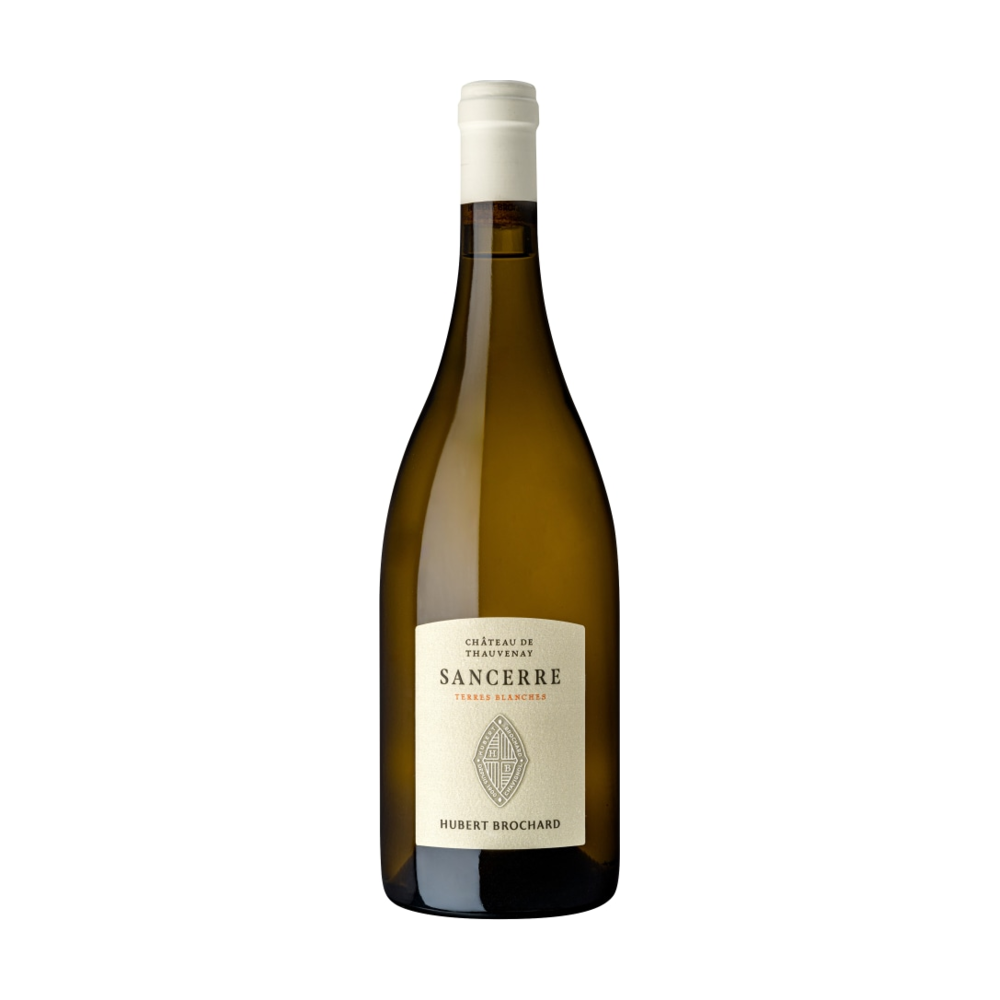
Our take
What we make of this bottle
The name points to Sancerre, yet the origin confirmed for this bottle stops at the country, France. The producer fills in the rest itself. Domaine Hubert Brochard says its family estate was founded in 1900 by Aimée and Hubert Brochard in Chavignol, near Sancerre, and that it now farms 89 hectares across seven Sancerre villages.
Sauvignon Blanc is a white grape known for clear aroma and refreshing acidity, most often made as a dry wine. For the flavors, official regional guides describe the wider category around citrus, green herbs and gooseberry, with cooler sites keeping the green and citrus side forward. The word French marks a country rather than one growing area, and French vineyards range across Atlantic, continental, Mediterranean and mountain settings; a French label will sometimes add a narrower protected name that draws a much tighter boundary.
We do not have a shopper rating for this bottle. The median rating among the 483 rated wines we track is 4.71, and this one is not among them. When we last checked in September 2026, across two stores, the price ranged from $52.99 to $69.99.
Hubert Brochard's own account of this wine describes gravity pressing without destemming, meant to protect the fruit's delicacy, and a blend of parcels drawn from Sancerre's three main terroirs: flinty Silex soils, white marl-limestone Terres Blanches, and pebbly Caillottes soils. After pressing, the different parcel lots age separately for four months, each in a vessel the producer chose to suit that terroir: stainless steel, oak, clay amphorae or concrete, with time on the spent yeast for texture before the final blend. The producer's own tasting note calls out floral and fruity aromas with richness and liveliness on the palate, the producer's words, and recommends pairing the wine with fresh cheeses.
Our call: pick it if a real, place-specific winemaking account is what earns your trust; the domaine names the exact terroirs behind the blend and the separate choices made in aging each parcel. Pass if you weigh a bottle by shopper rating first; none has reached our record for this wine, so the producer's own account is carrying the case on its own.
The Grocery Store Wine Desk · written Sep 16, 2026 from our research file for this wine. Numbers reflect our latest checks.
More from the desk.
Related bottles with a written overview and a public evidence file.
Chateau De Sancerre
Read our take →Chevalier du Grand Robert
Chevalier du Grand Robert Loire Sauvignon Blanc French White Wine
Read our take →RNDC - USA
Comte De La Chevaliere Sancerre White Wine
Read our take →Avaline
Avaline Organic Sauvignon Blanc French White Wine
Read our take →French Blue Wine
French Blue Sauvignon Blanc France White Wine
Read our take →Gerard Bertrand
Gerard Bertrand La Grande Bleue Blend France White Wine
Read our take →The prices we checked
Dated store checks, not a promise about your store.
- Kroger, Atlanta suburbs, GA$69.99
- Kroger, Cincinnati, OH$52.99
The regular price can vary by store and date.
From the producer
Family estate
Domaine Hubert Brochard says its family estate was founded in 1900 by Aimée and Hubert Brochard in Chavignol near Sancerre, France, and now farms 89 hectares across seven Sancerre villages.
Research status
What we are still checking
Our overview above draws on the dated store feed, shopper ratings, our region and grape research, and any sourced producer facts. We are still working to confirm the current release, the full producer record, and the bottle itself, and we update this page as we learn more.
Getting to know France.
A wine identified only as French can come from many climates, grapes and production rules. The country tells us where it comes from, while an appellation or producer record is needed for a closer account of place.
What the name means
France is a country of origin, not one wine appellation. French labels may also carry a protected AOP or IGP name with a much narrower legal boundary.
How grapes grow here
French vineyards span Atlantic, continental, Mediterranean and mountain-influenced settings. There is no single French growing season that can describe every bottle.
What lies under the vines
France's official wine areas cross river gravels, limestone and clay, granite, schist, sand and volcanic ground. The country name by itself does not establish one soil profile.
How large the region is
- Geographic reach
- Official wine indications are distributed across the country rather than one continuous vineyard zone.
- Record scope
- This guide explains a country mapping only. It does not replace a specific regional record.
Places within the region
- Protected origins
- INAO maps separate AOP and IGP wine areas, including Bordeaux, Champagne, the Rhône Valley, Provence and many others.
- What to check next
- Look for a named AOP, IGP, region or producer source before assigning local climate or soil detail.
Getting to know Sauvignon Blanc.
Sauvignon Blanc is a white grape known for wines with clear aroma and refreshing acidity. It is usually made as a dry still wine, though sweetness and oak use vary.
Category guide
What to expect in the glass
Official regional guides describe citrus, green herbs, gooseberry and tropical fruit across the category. Cooler sites can emphasize green and citrus notes, while warmer or riper fruit can lean more tropical.
Sources: New Zealand Winegrowers; Napa Valley Vintners. Checked Aug 10, 2026. See all 83 Sauvignon Blanc wines we cover →
Where this information comes from
- Store listing
- Price, package, product identifier. Checked Aug 10, 2026.
- Barcode
- The shelf barcode shown here is computed from the store product identifier. It has not been checked against a bottle.
- Method
- Every price, rating and fact here is a dated observation. How we check.