Our take
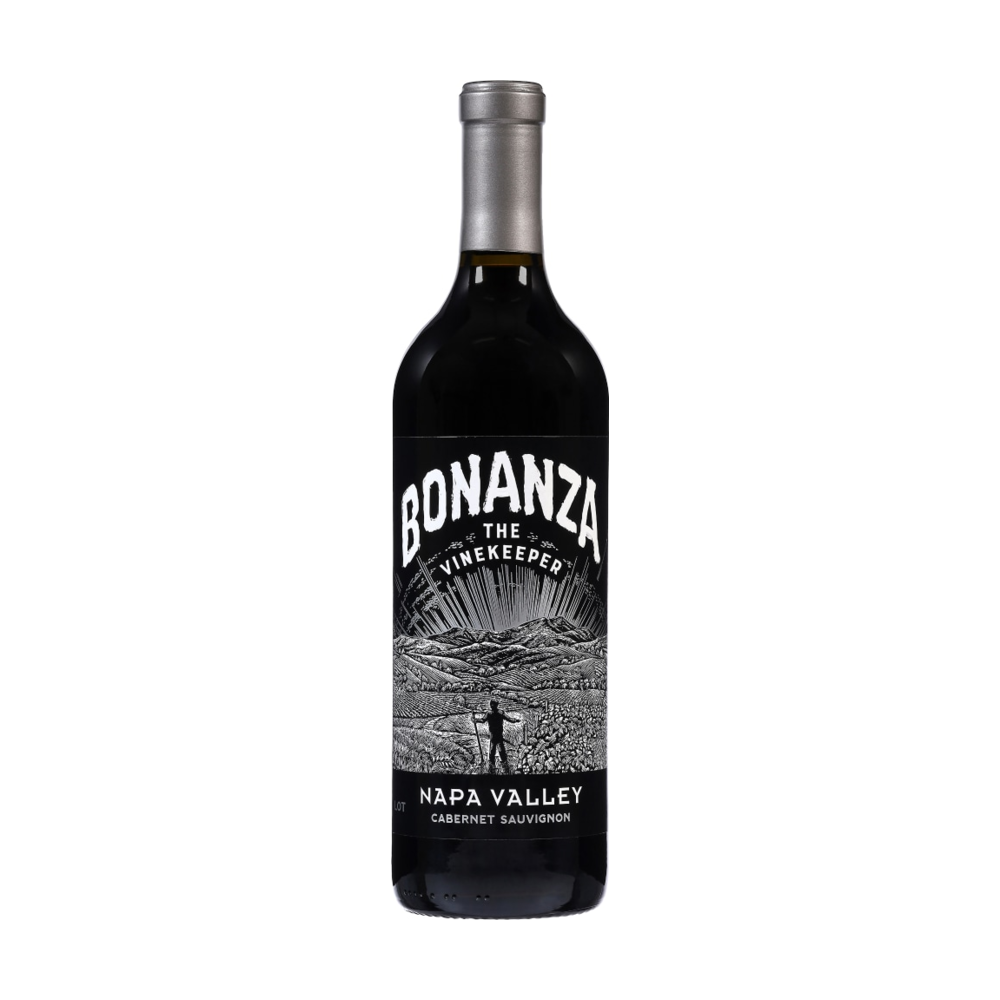
Caymus Vineyards Bonanza Napa Valley Cabernet Sauvignon Red Wine
- Style
- Red wine
- Size
- 750 ml
- Grape
- Cabernet Sauvignon
- Region
- Napa Valley
- Shelf barcode
- 0017224710219
Our take
What we make of this bottle
In our August 2026 checks, what this bottle cost depended on which store we found it in. The valley name is the place to start. Napa Valley runs only about thirty miles, yet its floor, hillsides and mountain sites can differ sharply. It has been a recognized American Viticultural Area since 1981, with seventeen smaller areas nested inside it, so the valley name marks the origin while a smaller area or a single vineyard would identify the place more precisely.
We do not have a shopper rating for this wine. Caymus Vineyards traces the winery to 1972, opened that year by Chuck Wagner with his parents, Lorna and Charlie Wagner Sr.; today the family still owns and runs it.
The grape is Cabernet Sauvignon. Our grape research describes it as grown across many wine regions, often making firmly built wines, and a common part of blends. Regional authorities name black currant, cherry and plum among the common fruit references, alongside noticeable tannin and possible spice from oak.
In our September 2026 checks the shelf price landed anywhere from $32.99 to $45.99.
This bottling is Bonanza's Napa Valley-designated Cabernet, sold as “Lot 1 The Vinekeeper” on the Wagner family's shop site, a separate wine from the brand's broader California-appellation “Lot 9” Cabernet, which carries a lower price. The producer's tasting note calls the wine “beautifully balanced, rich, fruit-driven, round and ripe,” and says the Vinekeeper line will showcase different Napa-area sites over time, this release being the debut. Bonanza itself began with a Cabernet Sauvignon in 2019, an homage to Caymus co-founder Charlie Wagner Sr., by the brand's account, and the winery's own online shop lists this Napa Valley bottle at $34 for a standard 750 ml, a separate figure from the grocery-store prices in our checks above.
Our call: this is the bottle for a shopper who wants a Napa Valley appellation specifically; Bonanza names this bottling as its Napa-sourced Vinekeeper Cabernet, distinct from its broader California bottling, and the family behind it has run Caymus Vineyards since 1972. Pass if you want a shopper rating or a stated alcohol level to go with that account; neither has reached our record for this wine.
The Grocery Store Wine Desk · written Sep 16, 2026 from our research file for this wine. Numbers reflect our latest checks.
More from the desk.
Related bottles with a written overview and a public evidence file.
Shafer
Read our take →Hawkstone
Hawkstone Napa Cabernet Sauvignon Red Wine
Read our take →Roots Run Deep Winery
Educated Guess Californian Cabernet Sauvignon Wine
Read our take →Freemark Abbey
Freemark Abbey Winery Napa Valley Cabernet Sauvignon California Red Wine
Read our take →Sequoia Grove
Sequoia Grove Cabernet Sauvignon Napa Valley Red Wine
Read our take →Cakebread Cellars
Cakebread Napa Valley Cabernet Sauvignon California Red Wine
Read our take →The prices we checked
Dated store checks, not a promise about your store.
- Kroger, Atlanta suburbs, GA$43.99
- Kroger, Cincinnati, OH$37.99
- Ralphs, Long Beach, CA$44.99
- Fred Meyer, Portland, OR$39.99
- King Soopers, Colorado Springs, CO$33.99
- Smith's, Las Vegas, NV$37.99
- Kroger, Knoxville, TN$34.99
- Kroger, Richmond, VA$39.99
- Fry's, Tucson, AZ$32.99
- QFC, Tacoma, WA$45.99
The regular price can vary by store and date.
From the producer
Family ownership
Caymus Vineyards says Chuck Wagner and his parents, Lorna and Charlie Wagner Sr., opened the winery in 1972. The winery remains owned and run by the Wagner family.
Research status
What we are still checking
Our overview above draws on the dated store feed, shopper ratings, our region and grape research, and any sourced producer facts. We are still working to confirm the current release, the full producer record, and the bottle itself, and we update this page as we learn more.
Getting to know Napa Valley.
Napa Valley is only about 30 miles long, yet its floor, hillsides and mountain sites differ sharply. The valley name establishes origin, while a nested AVA or vineyard gives a closer reading of place.
What the name means
Napa Valley has been a federally recognized American Viticultural Area since 1981. Seventeen smaller AVAs now sit within its boundary.
How grapes grow here
The valley has a dry Mediterranean climate. San Pablo Bay cools the south, summer afternoons grow warmer toward the north, and fog lowers overnight temperatures across much of the valley.
What lies under the vines
Volcanic, marine and river activity created unusually varied ground. Napa Valley Vintners reports half of the world's twelve soil orders and 33 soil series within the region.
How large the region is
- Land under cultivation
- 47,216 acres, or 19,108 hectares, are reported under cultivation.
- Nested AVAs
- 17 approved AVAs sit within the Napa Valley AVA.
Places within the region
- Valley floor
- Oakville, Rutherford, St. Helena and Yountville are among the nested floor and benchland AVAs.
- Hills and edges
- Atlas Peak, Howell Mountain, Mount Veeder and Los Carneros show how elevation and bay influence change within the valley.
Getting to know Cabernet Sauvignon.
Cabernet Sauvignon is a red grape grown in many wine regions. It often makes firmly built wines and is also a common part of red blends.
Category guide
What to expect in the glass
Regional authorities describe black currant, cherry and plum as common fruit references, with noticeable tannin and possible spice from oak. Ripeness, climate and winemaking can move the wine from lean and herbal to broad and fruit-led.
Sources: Napa Valley Vintners. Checked Aug 10, 2026. See all 163 Cabernet Sauvignon wines we cover →
Where this information comes from
- Store listing
- Price, package, product identifier. Checked Aug 10, 2026.
- Barcode
- The shelf barcode shown here is computed from the store product identifier. It has not been checked against a bottle.
- Method
- Every price, rating and fact here is a dated observation. How we check.