Our take
Beringer Main & Vine Cabernet Sauvignon California Red Wine
- Style
- Red wine
- Size
- 750 ml
- Grape
- Cabernet Sauvignon
- Region
- California
- Shelf barcode
- 0089819068227
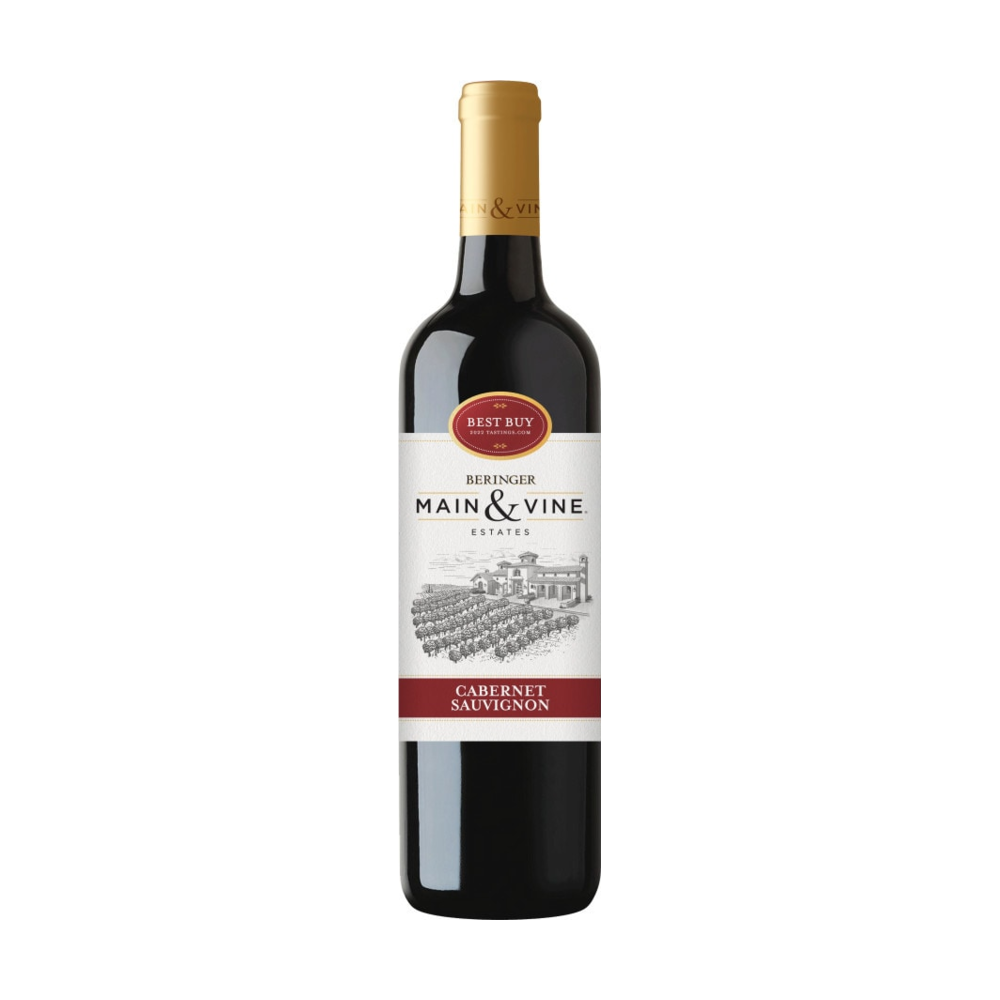
Our take
What we make of this bottle
Beringer Vineyards began in St. Helena, where, by the winery's own account, Frederick and Jacob Beringer made a first vintage in 1876. The grape in this bottle is Cabernet Sauvignon, and the origin given is California. One store we checked listed it at $8.99 in our September 2026 checks.
We do not have a shopper rating for this wine. Cabernet Sauvignon, our grape research explains, is a red grown in many places, one that often turns out firmly built and frequently forms part of a red blend. The regional authorities that research cites connect the grape to dark fruit such as currant and plum, to noticeable tannin, and to possible spice from oak. Ripeness, climate and winemaking, they add, can push it toward a lean and herbal style or a broad and fruit-forward one.
The Grocery Store Wine Desk · written Sep 16, 2026 from our research file for this wine. Numbers reflect our latest checks.
More from the desk.
Related bottles with a written overview and a public evidence file.
Carnivor
Read our take →Post & Beam
Post & Beam Cabernet Sauvignon California Red Wine
Read our take →Sebastiani Wine
Sebastiani Cabernet Sauvignon California Red Wine
Read our take →Bar Dog
Bar Dog Cabernet Sauvignon California Red Wine
Read our take →Joel Gott
Joel Gott 815 Cabernet Sauvignon California Red Wine750 ml
Read our take →Gnarly Head
Gnarly Head Cabernet Sauvignon Red Wine, California
Read our take →The prices we checked
Dated store checks, not a promise about your store.
- Fred Meyer, Portland, OR$14.99
- Kroger, Richmond, VA$12.99
- Fry's, Tucson, AZ$8.99
The regular price can vary by store and date.
From the producer
Founded in St. Helena
Beringer Vineyards says Frederick and Jacob Beringer founded the winery in St. Helena and produced its first vintage in 1876.
Research status
What we are still checking
Our overview above draws on the dated store feed, shopper ratings, our region and grape research, and any sourced producer facts. We are still working to confirm the current release, the full producer record, and the bottle itself, and we update this page as we learn more.
Getting to know California.
California on the label is useful provenance but weak detail about place. For these wines, sourcing disclosure, blend construction and house-style consistency carry more decision value than a generic climate paragraph.
What the name means
A state-level appellation, broader than an individual American Viticultural Area. It permits a multi-region blend and does not by itself identify one climate or soil.
How grapes grow here
The state spans cool maritime zones and hot inland valleys. A California designation alone does not reveal which conditions shaped the fruit.
What lies under the vines
At state scale, sourcing and house-style construction matter more than any single soil story.
How large the region is
- Reusable question
- Which counties or AVAs supplied the blend, and did that mix change by release?
Places within the region
- Resolution limit
- County, AVA and vineyard claims begin only when the release names them.
Getting to know Cabernet Sauvignon.
Cabernet Sauvignon is a red grape grown in many wine regions. It often makes firmly built wines and is also a common part of red blends.
Category guide
What to expect in the glass
Regional authorities describe black currant, cherry and plum as common fruit references, with noticeable tannin and possible spice from oak. Ripeness, climate and winemaking can move the wine from lean and herbal to broad and fruit-led.
Sources: Napa Valley Vintners. Checked Aug 10, 2026. See all 163 Cabernet Sauvignon wines we cover →
Where this information comes from
- Store listing
- Price, package, product identifier. Checked Aug 10, 2026.
- Barcode
- The shelf barcode shown here is computed from the store product identifier. It has not been checked against a bottle.
- Method
- Every price, rating and fact here is a dated observation. How we check.