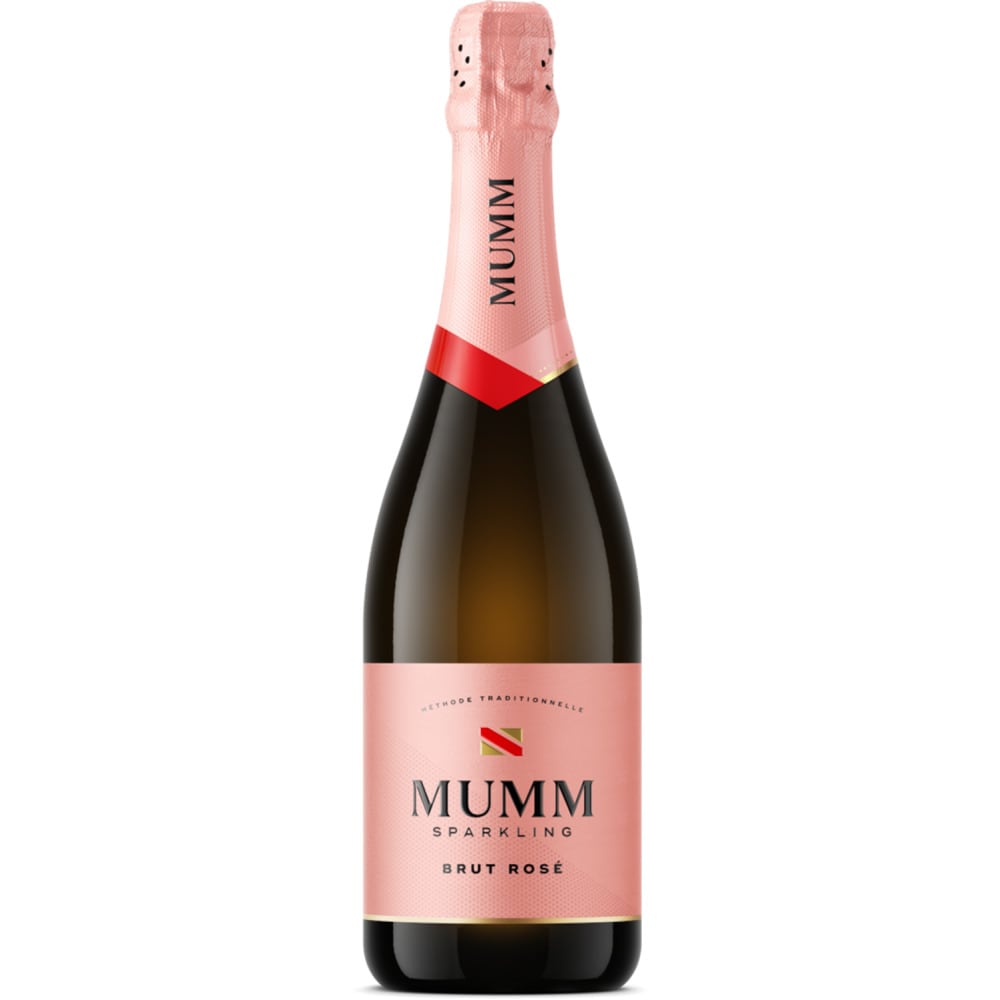
Pinot Noir-led blend and lees aging
The Grocery Store Wine verdict
Mumm Napa
Brut Rosé
Mumm Brut Rosé earns its step up from tank-fermented bubbles with real method and chemistry disclosure. It is the bottle here for finer bubbles, red-fruit depth and a drier, more structured finish.
- Region
- California
- Grape
- Pinot Noir-led blend
- The release we researched
- Non-vintage
- Price context
- 10 exact store checks below
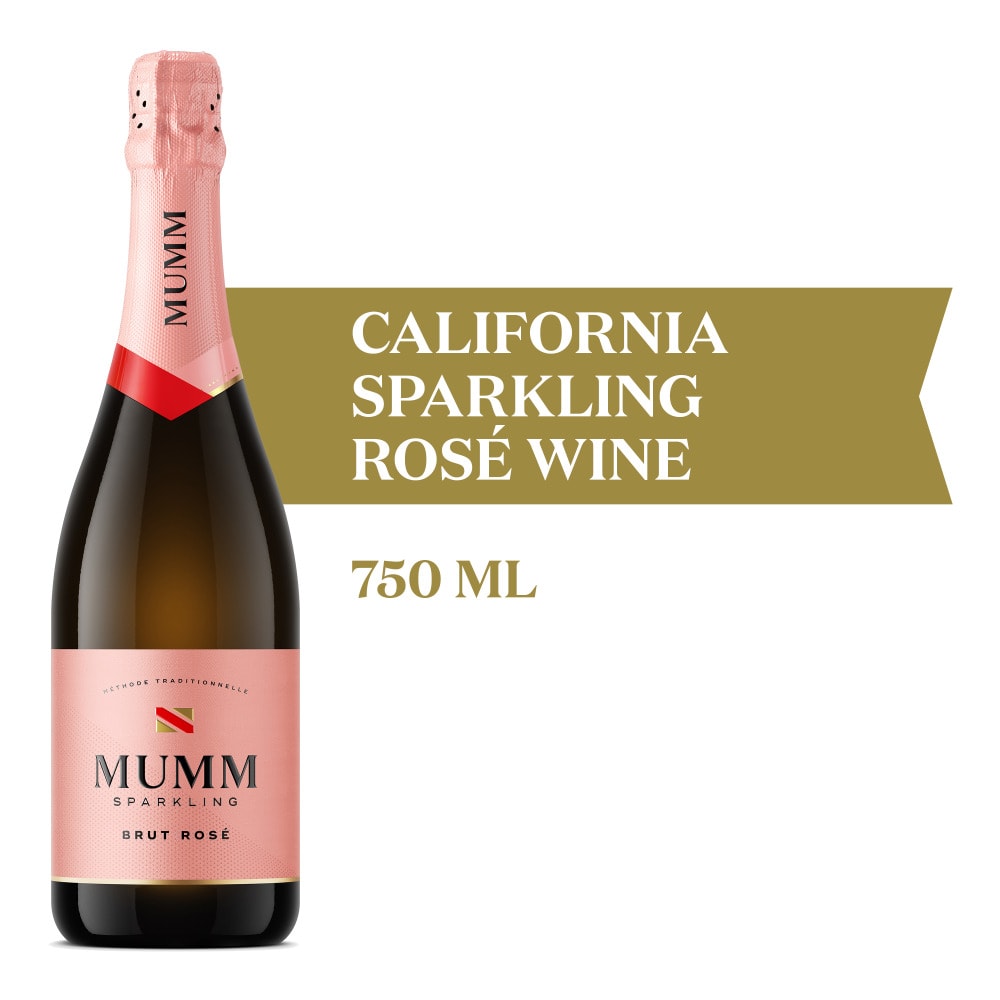
What to expect in the glass.
Here is the style this wine is meant to have, based on its region and how it was made.
Producer description
Producer technical record
Traditional method and lees time
What it costs
Exact regular prices from dated store checks.
- Kroger, Atlanta suburbs, GA$23.49
- Kroger, Cincinnati, OH$22.99
- Kroger, Knoxville, TN$26.99
- Kroger, Richmond, VA$21.99
- King Soopers, Colorado Springs, CO$23.99
- Fry's, Tucson, AZ$17.99
- Smith's, Las Vegas, NV$28.99
- Fred Meyer, Portland, OR$30.99
- QFC, Tacoma, WA$27.99
- Ralphs, Long Beach, CA$29.99
Observed at specific stores; your store will vary. A price target, not an ad.
Mumm Brut Rosé earns its step up from tank-fermented bubbles with real method and chemistry disclosure. It is the bottle here for finer bubbles, red-fruit depth and a drier, more structured finish.
Our call uses producer and regional evidence, dated public ratings and the bottle’s position in the aisle. Price never enters the GSW Score.
- You want traditional-method sparkling wine
- Rosé fruit with measured dosage sounds right
- Published chemistry helps justify the price
- You want the lightest, simplest aperitif
- You prefer overtly sweet bubbles
- You need a single-vintage or single-vineyard wine
Serve chilled, then let the glass warm enough to show aroma and texture.
Match the bottle’s sparkling rosé structure, sweetness and acidity to the food rather than to the label’s prestige.
Getting to know California.
California on the label is useful provenance but weak terroir resolution. For these wines, sourcing disclosure, blend construction and house-style consistency carry more decision value than a generic climate paragraph.
What the name means
A state-level appellation, broader than an individual American Viticultural Area. It permits a multi-region blend and does not by itself identify one climate or soil.
How grapes grow here
The state spans cool maritime zones and hot inland valleys. A California designation alone does not reveal which conditions shaped the fruit.
What lies under the vines
At state scale, sourcing and house-style construction matter more than any single soil story.
How large the region is
- Reusable question
- Which counties or AVAs supplied the blend, and did that mix change by release?
Places within the region
- Resolution limit
- County, AVA and vineyard claims begin only when the release names them.
About this bottling
This is one of the best-documented sparkling wines in the aisle: a Pinot Noir-led traditional-method rosé with dosage, acidity, pH and lees aging all visible.
Winemaking
Traditional-method sparkling wine with an average 16 months on the lees and a 10.4 g/L dosage.
Taste
The producer says red fruit, citrus and toast with a creamy mousse.
Mumm Napa
The named producer is established; current corporate ownership is not inferred beyond the reviewed producer material.
Mumm Napa began in the late 1970s as the California sparkling-wine project of Champagne house G.H. Mumm.
The producer uses traditional-method secondary fermentation and publishes blend, dosage, lees time and finished chemistry for Brut Rosé.
- Blend
- 76% Pinot Noir, 22% Chardonnay and 2% Pinot Meunier from the producer
- Finished wine
- 12.5% ABV; 7.1 g/L TA; pH 3.12; 10.4 g/L dosage from the producer
- Method
- Traditional method; average 16 months on lees from the producer
- Reported by the store package
- 3.58 × 12.62 × 3.58 in; 2.82 lb gross; net weight not supplied reported by the store
Where this information comes from.
We researched this release from the producer's own material and current store listings. We haven't held this exact bottle yet. When we do, we'll say so.
SourcePublisher / how strong the source isChecked
American Viticultural Areas ↗
Alcohol and Tobacco Tax and Trade Bureauregulator
Mumm Napa release and producer record ↗
Mumm NapaRelease, production, taste and producer facts
Dated retailer product record
KrogerPackage, identifier and data-quality checks
Kroger product rating ↗
Kroger4.54 / 5 from 108 ratings
Target product rating ↗
Target4.63 / 5 from 147 ratings
Total Wine product rating ↗
Total Wine4.80 / 5 from 150 ratings
Front, back, fine print.
The label, the barcode and the fine print, captured so you can read what the bottle actually says.