Our take
Frescobaldi Tenuta CastelGiocondo Sangiovese Brunello di Montalcino Italian Red Wine
- Style
- Red wine
- Size
- 750 ml
- Grape
- Sangiovese
- Region
- Montalcino
- Shelf barcode
- 0839183000053
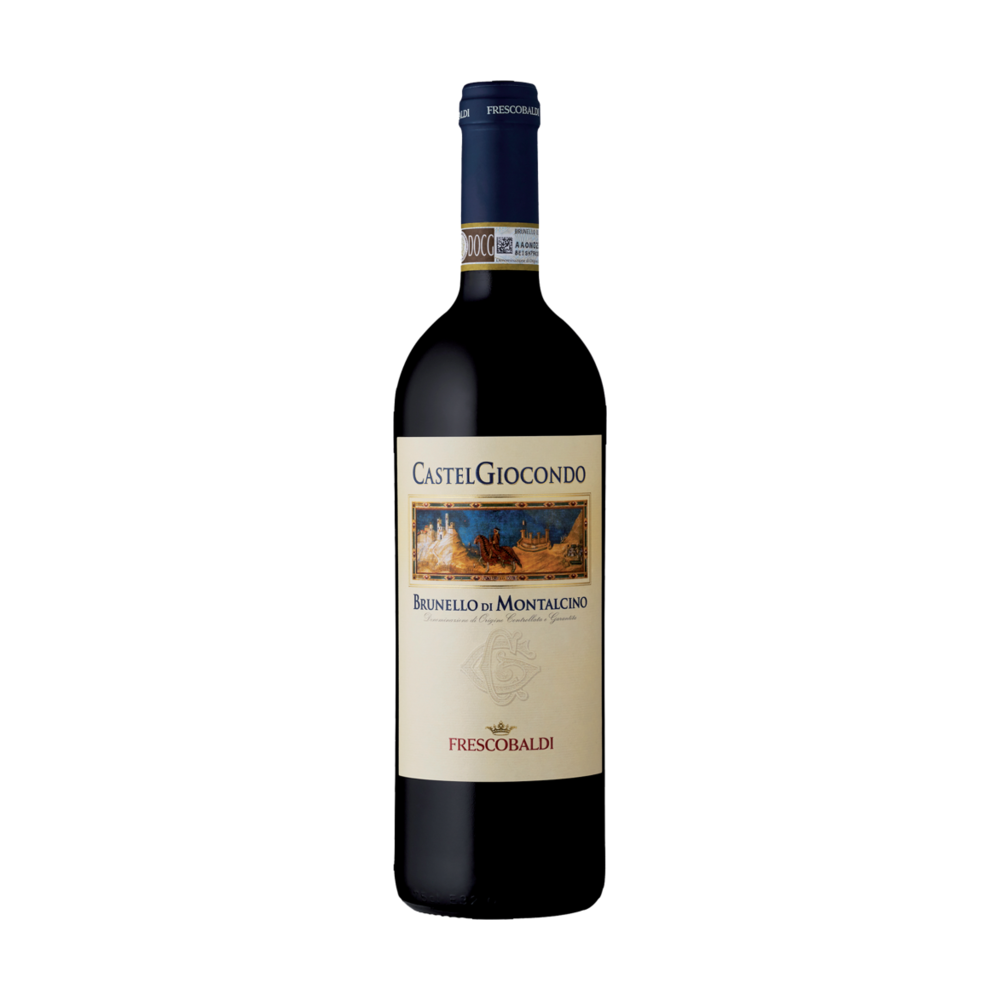
Our take
What we make of this bottle
And the grape in this bottle, Sangiovese, is the same red that anchors Chianti, grown across central Italy and planted well beyond it. An official category guide describes it as cherry-led, carrying herbs, a bright line of acidity, and firm tannin, and says it can range from light and direct to more concentrated depending on the site and the cellar. Shoppers have not weighed in with scores yet, so that part stays open.
The place is Montalcino, a stretch of Tuscany set between the sea and the ridge of the central Apennines. Regional guides describe a generally dry Mediterranean climate with continental influence, with slopes whose height and facing carve out many small pockets of local weather. Brunello di Montalcino and Rosso di Montalcino are separate protected designations from that ground: both come from Sangiovese and share the town's old boundary, yet each follows its own rules.
Frescobaldi says its family has produced wine in Tuscany since the early 1300s.
History and landscape aside, one number is current: in our September 2026 checks it ran $75.99 to $100.99.
The Grocery Store Wine Desk · written Sep 16, 2026 from our research file for this wine. Numbers reflect our latest checks.
More from the desk.
Related bottles with a written overview and a public evidence file.
Val di Suga
Read our take →Castiglion del Bosco
Castiglion del Bosco Rosso di Montalcino Gauggiole 2022 Tuscany Red Wine
Read our take →Ruffino
Ruffino 1877 Chianti DOCG Sangiovese Red Blend Italian Red Wine
Read our take →Volpaia
Castello di Volpaia Chianti Classico Sangiovese Tuscany Italy Organic Red Wine
Read our take →Il Poggione
Il Poggione Sangiovese Italy Red Wine
Read our take →Cortelunga
Cortelunga Sangiovese Red Italian Wine
Read our take →The prices we checked
Dated store checks, not a promise about your store.
- Kroger, Atlanta suburbs, GA$100.99
- Kroger, Cincinnati, OH$75.99
The regular price can vary by store and date.
From the producer
Family history
Frescobaldi says the family has produced wine in Tuscany since the early 1300s.
Research status
What we are still checking
Our overview above draws on the dated store feed, shopper ratings, our region and grape research, and any sourced producer facts. We are still working to confirm the current release, the full producer record, and the bottle itself, and we update this page as we learn more.
Getting to know Montalcino.
Montalcino gives a close geographic context for both Brunello and Rosso, while the complete designation tells us which rules apply. It should not be collapsed into broad Tuscany or Italy mapping.
What the name means
Brunello di Montalcino DOCG and Rosso di Montalcino DOC are separate protected Tuscan designations. Both use Sangiovese and share the historic boundary of the municipality, but their production rules differ.
How grapes grow here
Montalcino has a generally dry Mediterranean climate with continental influence from its position between the sea and the central Apennines. Elevation and slope direction create many local microclimates.
What lies under the vines
Lower areas have deeper transported soils. Higher slopes become stonier and shallower, with decomposed galestro and alberese among the important rock materials.
How large the region is
- Municipal territory
- The production territory covers about 24,000 hectares within Montalcino's historic boundary.
- Vineyard share
- The consortium reports that vineyards occupy about 15 percent of that territory.
Places within the region
- Brunello di Montalcino
- The DOCG is limited to the historic municipal boundary and requires Sangiovese, called Brunello locally.
- Rosso di Montalcino
- The DOC uses the same municipal origin and grape but has separate yield and release rules.
Getting to know Sangiovese.
Sangiovese is a red grape closely associated with central Italy and is the main grape in Chianti wines. It is also grown elsewhere as a varietal wine or blending grape.
Category guide
What to expect in the glass
An official category guide describes cherry-led fruit, herbs, clear acidity and firm tannin. Climate, yield, blending and oak can move the result from light and direct to more concentrated.
Sources: New Zealand Winegrowers. Checked Aug 10, 2026. See all 8 Sangiovese wines we cover →
Where this information comes from
- Store listing
- Price, package, product identifier. Checked Aug 10, 2026.
- Barcode
- The shelf barcode shown here is computed from the store product identifier. It has not been checked against a bottle.
- Method
- Every price, rating and fact here is a dated observation. How we check.