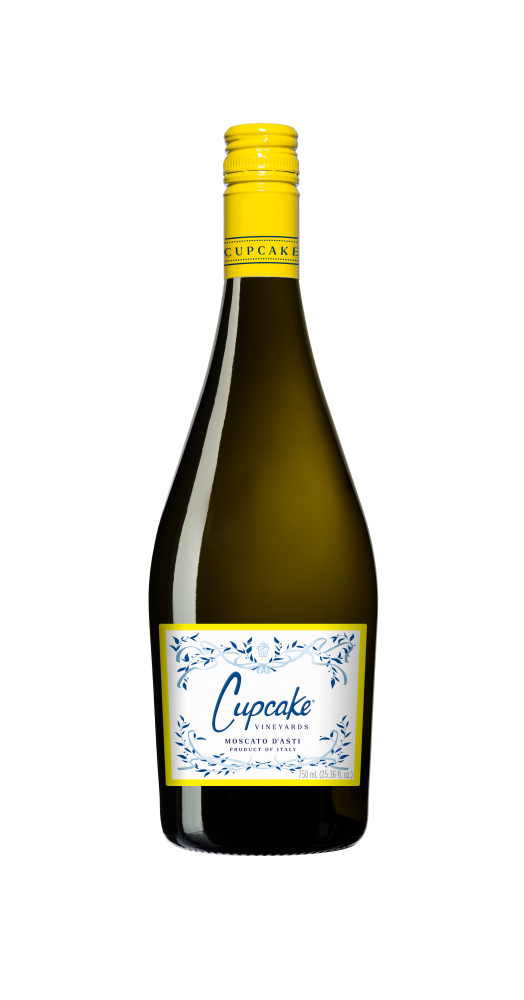
Moscato d’Asti category
The Grocery Store Wine verdict
Cupcake Vineyards
Moscato d’Asti
Cupcake is precise pleasure for drinkers who actually want sweetness: peachy, floral, low-alcohol and gently sparkling. It is not a compromise bottle; it is an occasion-specific one.
- Region
- Asti
- Grape
- Moscato Bianco
- The release we researched
- Non-vintage
- Price context
- 5 exact store checks below
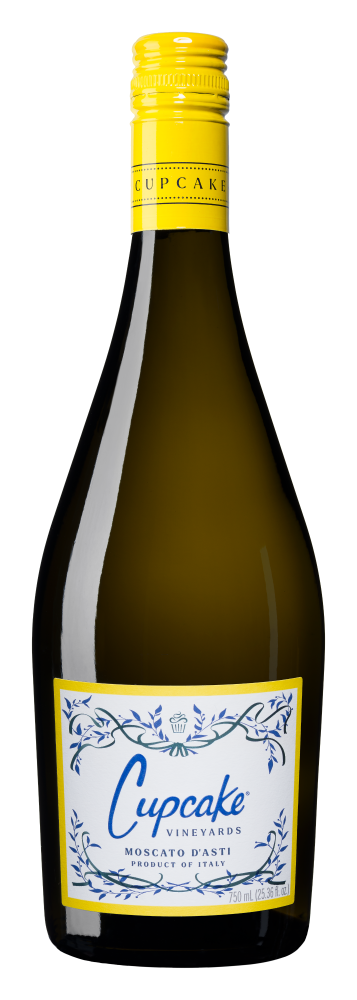
What to expect in the glass.
Here is the style this wine is meant to have, based on its region and how it was made.
Category structure
Regional category and producer positioning
The defining Moscato d’Asti balance
What it costs
Exact regular prices from dated store checks.
- Kroger, Atlanta suburbs, GA$13.99
- Kroger, Cincinnati, OH$14.99
- Kroger, Knoxville, TN$14.99
- Kroger, Richmond, VA$11.99
- King Soopers, Colorado Springs, CO$13.99
Observed at specific stores; your store will vary. A price target, not an ad.
Cupcake is precise pleasure for drinkers who actually want sweetness: peachy, floral, low-alcohol and gently sparkling. It is not a compromise bottle; it is an occasion-specific one.
Our call combines official producer and regional evidence with the bottle's shopper ratings and category position.
- You want aromatic sweetness and low alcohol
- Peach-and-floral styles appeal to you
- You want a gentle celebratory pour
- You want dry sparkling wine
- You dislike overt aromatics
- You want forceful carbonation
Serve chilled, then let the glass warm enough to show aroma and texture.
Build the pairing around its sweet sparkling structure: match weight, sweetness and acidity rather than prestige.
Getting to know Asti DOCG.
Moscato d’Asti’s low alcohol, sweetness and gentle fizz are intentional category architecture. Balance, not dryness, is the serious question.
What the name means
A controlled and guaranteed denomination in Piedmont covering Asti Spumante and Moscato d’Asti.
How grapes grow here
Piedmont’s hills and seasonal temperature shifts support aromatic Moscato Bianco; exact commune and vineyard remain bottle-level questions.
What lies under the vines
Calcareous soils are common in the production hills, but the broad denomination does not establish one parcel story.
How large the region is
- Core grape
- The denomination centers on aromatic Moscato Bianco.
Places within the region
- Category split
- Moscato d’Asti and Asti Spumante are distinct wines within the denomination and should not be collapsed into one style.
About this bottling
Sweetness is not the criticism. The serious questions are whether acidity keeps the wine alive, whether the aromatics remain clean and whether the label truly establishes the DOCG identity.
Winemaking
Asti DOCG distinguishes Moscato d’Asti from Asti Spumante. Brand-specific fermentation and residual sugar were not found in the current public product material reviewed.
Taste
Expected category profile is aromatic, sweet, low-alcohol and lightly sparkling; bottle-specific balance remains unjudged.
Cupcake Vineyards
The brand record and denomination record are kept separate; corporate ownership is not inferred here.
Cupcake markets a broad international portfolio; this bottle’s value depends on whether the package confirms Moscato d’Asti DOCG rather than generic Moscato.
The style uses aromatic Moscato Bianco, low alcohol, retained sweetness and gentle sparkle as deliberate structure.
- Designation
- Moscato d’Asti DOCG requires confirmation on the physical package we checked this
- Core grape
- Moscato Bianco category framework well established
Where this information comes from.
We researched this release from the producer's own material and current store listings. We haven't held this exact bottle yet. When we do, we'll say so.
SourcePublisher / how strong the source isChecked
Asti DOCG denomination ↗
Consorzio dell’Asti DOCGregional authority
Moscato d’Asti ↗
Cupcake Vineyardsproducer
Launch assortment rating snapshot
Kroger retailer feedDated product-level signal; vintage and unique audience are not established.
Front, back, fine print.
The label, the barcode and the fine print, captured so you can read what the bottle actually says.