- You want the familiar, high-aroma Marlborough house style
- Passion fruit, grapefruit and a herbal snap sound appealing
- You value a larger observed shopper-rating footprint
The definitive grocery-aisle comparison
Same region.
Same grape.
Different case.
Kim Crawford owns the louder tropical-herbal style and stronger public score. Oyster Bay is drier, more transparent and the smarter buy when the prices you find are close.
Get the answer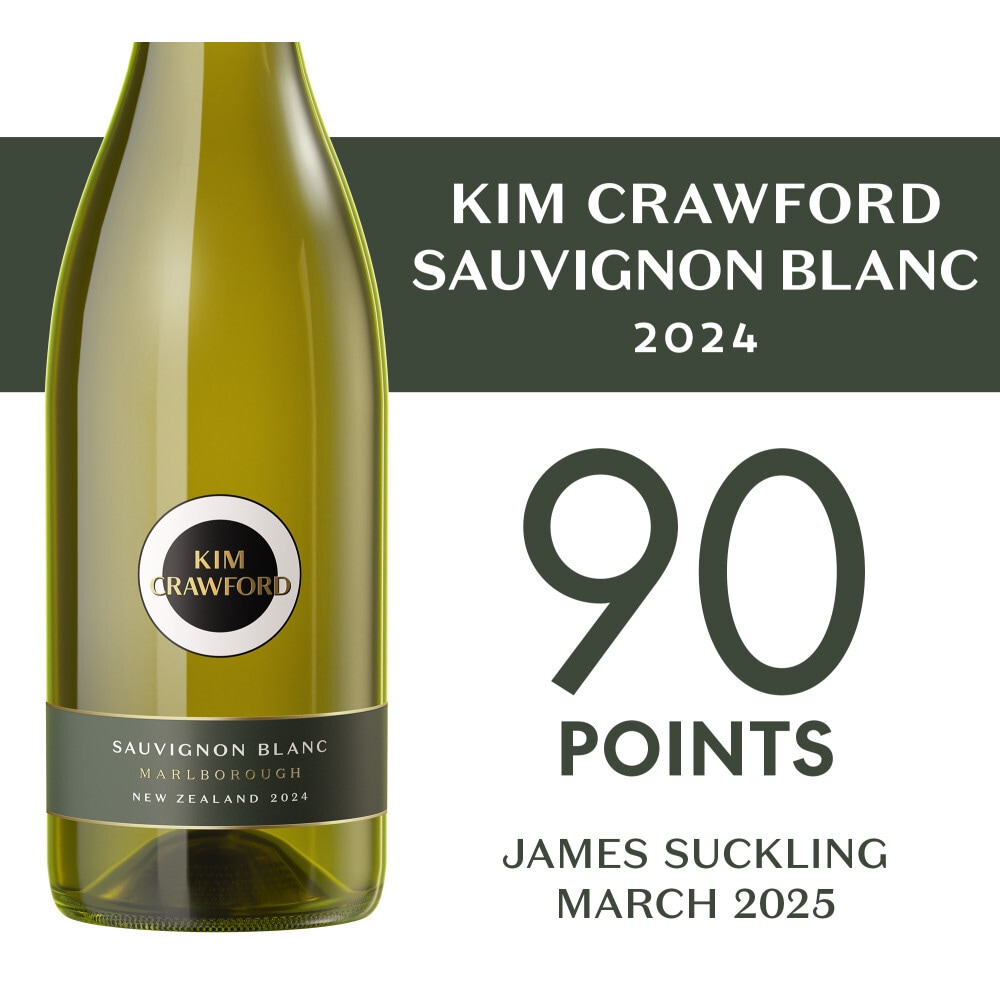
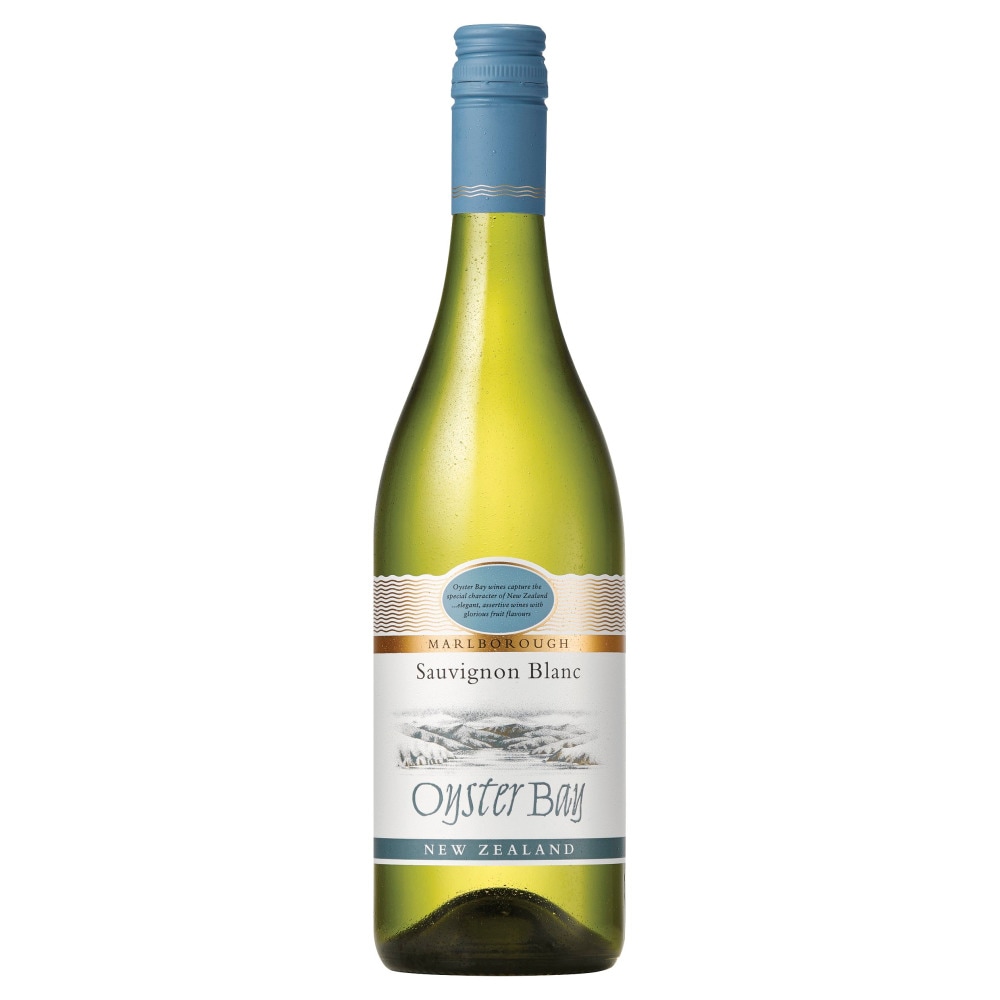
Oyster Bay is the smarter buy. Kim Crawford wins public reception 93–91.
Oyster Bay gives you a dry 3 g/L profile, high acidity, specific Wairau–Awatere sourcing and a full technical sheet for less money among the prices we checked. Choose Kim Crawford only when you specifically want the more forceful tropical-herbal house style and its stronger crowd signal.
- You want a release whose producer reports 3 g/L residual sugar and high acidity
- Technical transparency matters to you
- You prefer a direct Wairau–Awatere regional blend over brand mystique
One rubric. No hand-waving.
The prices and ratings are dated and can span vintages. Chemistry and harvest details come from each producer’s 2024 release material.
QuestionKim CrawfordOyster Bay
GSW Score
93/100 · A shopper favorite
91/100 · A shopper favorite
Identity
2024 research profile
2024 research profile
Dated non-API web listings (checked Aug 7, 2026)
$11.99–$11.99
$10.99–$12.49
Separate retail rating snapshots
Kroger: 4.70/5 (871) · Target: 4.67/5 (1,057)
Kroger: 4.56/5 (78) · Target: 4.58/5 (219) · Total Wine: 4.50/5 (395)
2024 finished chemistry
12.5–13.5% alcohol across market reports
13.0% ABV · 3 g/L RS · 7 g/L TA · pH 3.2
2024 harvest window
Producer does not publish it
13 March–1 April
Subregional sourcing
Partial; exact 2024 blend not published
Wairau + Awatere disclosed
Fermentation detail
Small lots and blending; incomplete
Stainless steel · selected yeasts · 12–14°C · short lees contact
How the two wines separate in the glass.
Kim Crawford is louder and more herbal. Oyster Bay is cleaner, drier and more linear.
DimensionKim CrawfordOyster Bay
dryness
Dry and crispRegional style and the producer's freshness-first positioning
Analytically dry at 3 g/L residual sugarProducer technical sheet
body
Light to mediumProducer style and market-package alcohol listing
Light to medium13.0% ABV, stainless-steel production and producer style
acidity
High and deliberately vividProducer explicitly claims vibrant acidity; chemistry undisclosed
High, brisk and measurable7 g/L TA and pH 3.2
oak
Freshness-first, with oak out of the foregroundThe house style is built around vivid fruit and acidity
UnoakedProducer FAQ and stainless-steel technical record
fruit
Passion fruit, melon, grapefruit and bright citrusThe producer's defining flavor profile
Tropical fruit and bright citrusThe producer's defining flavor profile
herbal
A distinct crushed-herb edgeA defining part of the producer's style
Citrus-led rather than overtly herbalOur read of the published house style
intensity
High-aroma, extrovertedThe defining Kim Crawford house style
Bright, direct regional archetypeChemistry, production and producer description
retail reception
A major crowd favoriteTwo high-volume retailer rating snapshots
Consistently liked across three platformsThree positive public rating snapshots
Transparency is not taste. It is still an advantage.
Oyster Bay’s lead is structural: the producer makes more of its 2024 release testable.
FieldKim CrawfordOyster Bay
Subregional sourcing
partly confirmedProducer discusses seven subregions; current US retail copy names Wairau and Awatere, but 2024 blend proportions are not published
reported by the storeWairau and Awatere; central Wairau, Renwick and Brancott soils
Harvest dates
not publishedNot found
reported by the store13 March–1 April 2024
Finished-wine chemistry
sources disagreeAlcohol conflicts by market; residual sugar, TA and pH not found
reported by the store13.0% ABV, 3 g/L RS, 7 g/L TA, pH 3.2
Fermentation
partly confirmedSmall lots and post-fermentation blending disclosed; vessel and temperature incomplete
reported by the storeSelected yeasts, stainless steel, 12–14°C, short lees contact
Ingredients / allergens
partly confirmedUS retailer reports sulfites; full ingredient statement not established
partly confirmedUS retailer reports sulfites; full ingredient statement not established
Bottle-level sustainability
not publishedNo bottle-level certification verified
partly confirmedProducer claims founding SWNZ membership; bottle-level logo/certification not yet verified
Oyster Bay has the better vintage record.
Across three releases, harvest timing, alcohol, sugar and acidity move enough to show why vintage matters.
VintageHarvestABVRSTApH
202321 March–14 April12%4 g/L8 g/L3.4
202413 March–1 April13%3 g/L7 g/L3.2
202510 March–10 April12%4 g/L7 g/L3.2
What changed in 2024: harvest started earlier than 2023, finished earlier, alcohol rose from 12% to 13%, residual sugar fell from 4 to 3 g/L, total acidity moved from 8 to 7 g/L, and pH fell from 3.4 to 3.2. In 2025, alcohol returned to 12% and residual sugar to 4 g/L while pH and total acidity held at the 2024 figures.
The receipts behind the comparison.
Every claim on this page shows where we found it and when we last checked. If we got something wrong, tell us. We fix it in public.
SourcePublisher / applicabilityChecked
Marlborough geographical indication register ↗
Intellectual Property Office of New Zealandregulator
Marlborough wine region ↗
New Zealand Winegrowersregional authority
New Zealand Winegrowers Vineyard Report 2024 ↗
New Zealand Winegrowersregional authority
Vintage Indicators 2024 ↗
New Zealand Winegrowersregional authority
Grape expectations for the 2024 harvest ↗
New Zealand Winegrowersregional authority
Sustainable Winegrowing New Zealand ↗
New Zealand Winegrowersregional authority
Sauvignon Blanc product page ↗
Kim Crawford Winesproducer
About Kim Crawford ↗
Kim Crawford Winesproducer
New Zealand Wine trade tasting booklet ↗
New Zealand WinegrowersUK trade listing; alcohol can vary by market or bottling.
James Suckling · 90/100 · March 2025 · critic score, brand-published
Kim Crawford WinesClaim displayed in the supplied Kim Crawford campaign artwork
Constellation Brands 2025 Form 10-K ↗
Constellation Brandscorporate filing
Retailer catalog and rating snapshot
Kroger retailer feedA dated check, not a permanent product truth or our rating.
Kim Crawford Sauvignon Blanc retailer listing ↗
TargetUS multi-vintage product listing; vintage not established
Marlborough Sauvignon Blanc ↗
Oyster Bay Winesproducer
Sauvignon Blanc 2024 technical information ↗
Oyster Bay WinesUK technical sheet for the 2024 release.
Sauvignon Blanc 2023 technical information ↗
Oyster Bay WinesOyster Bay Marlborough Sauvignon Blanc 2023 release
Sauvignon Blanc 2025 technical information ↗
Oyster Bay WinesOyster Bay Marlborough Sauvignon Blanc 2025 release
Oyster Bay wine FAQ ↗
Oyster Bay WinesCurrent producer process and nutrition statements; not proof of a particular bottle
Our story ↗
Oyster Bay Winesproducer
Delegat Group Annual Report 2025 ↗
Delegat Groupcorporate filing
Oyster Bay Sauvignon Blanc retailer listing ↗
TargetUS multi-vintage product listing; vintage not established
Oyster Bay brand retailer listing ↗
Total Wine & MoreUS product-family listing; vintage and market price vary