- You want traditional-method sparkling wine
- Rosé fruit with measured dosage sounds right
- Published chemistry helps justify the price
The grocery-aisle sparkling-method test
Same bubbles.
Different fermentation.
Different finish.
Mumm Brut Rosé ferments a second time inside the sealed bottle, the traditional method Champagne itself uses, and the producer states it rests an average 16 months on the spent yeast before dosage. La Marca ferments its second time in a pressurized tank, the Martinotti-Charmat method that defines Prosecco DOC. Neither method is a shortcut version of the other; each is built for a different kind of sparkling wine.
Get the answer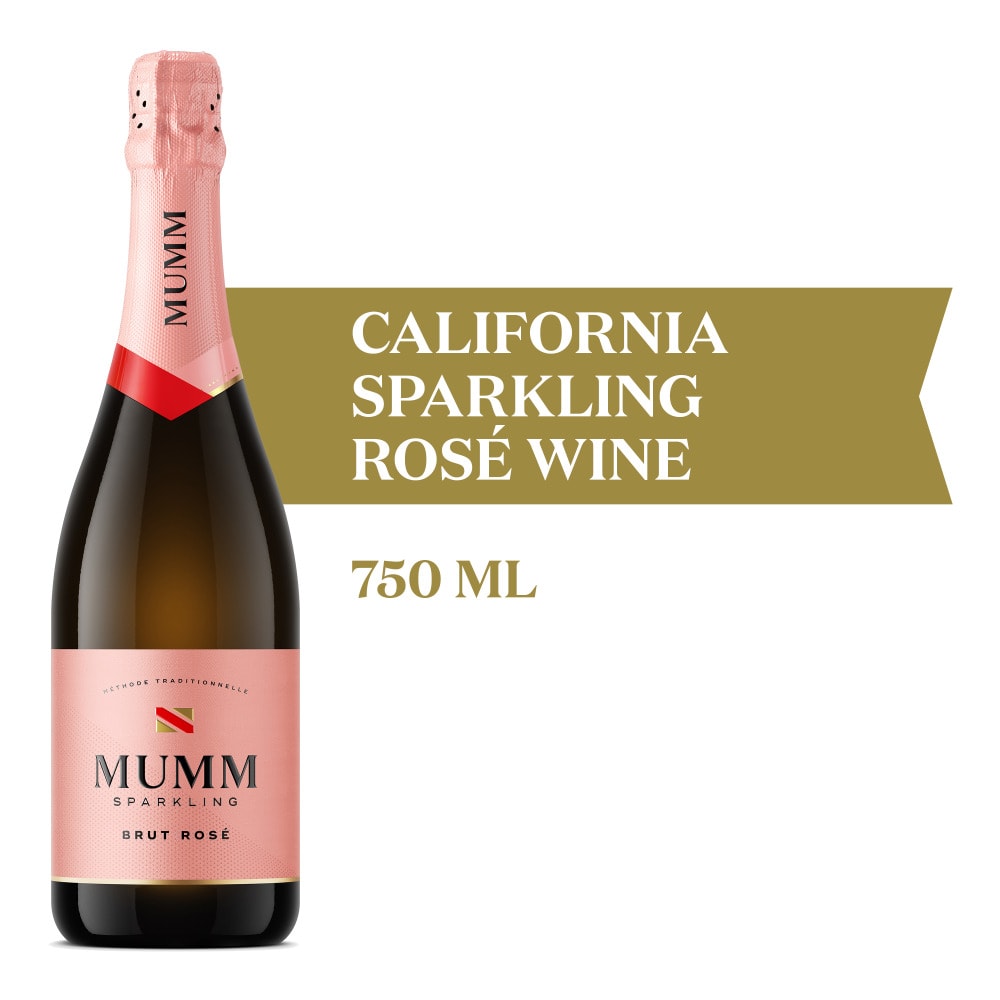
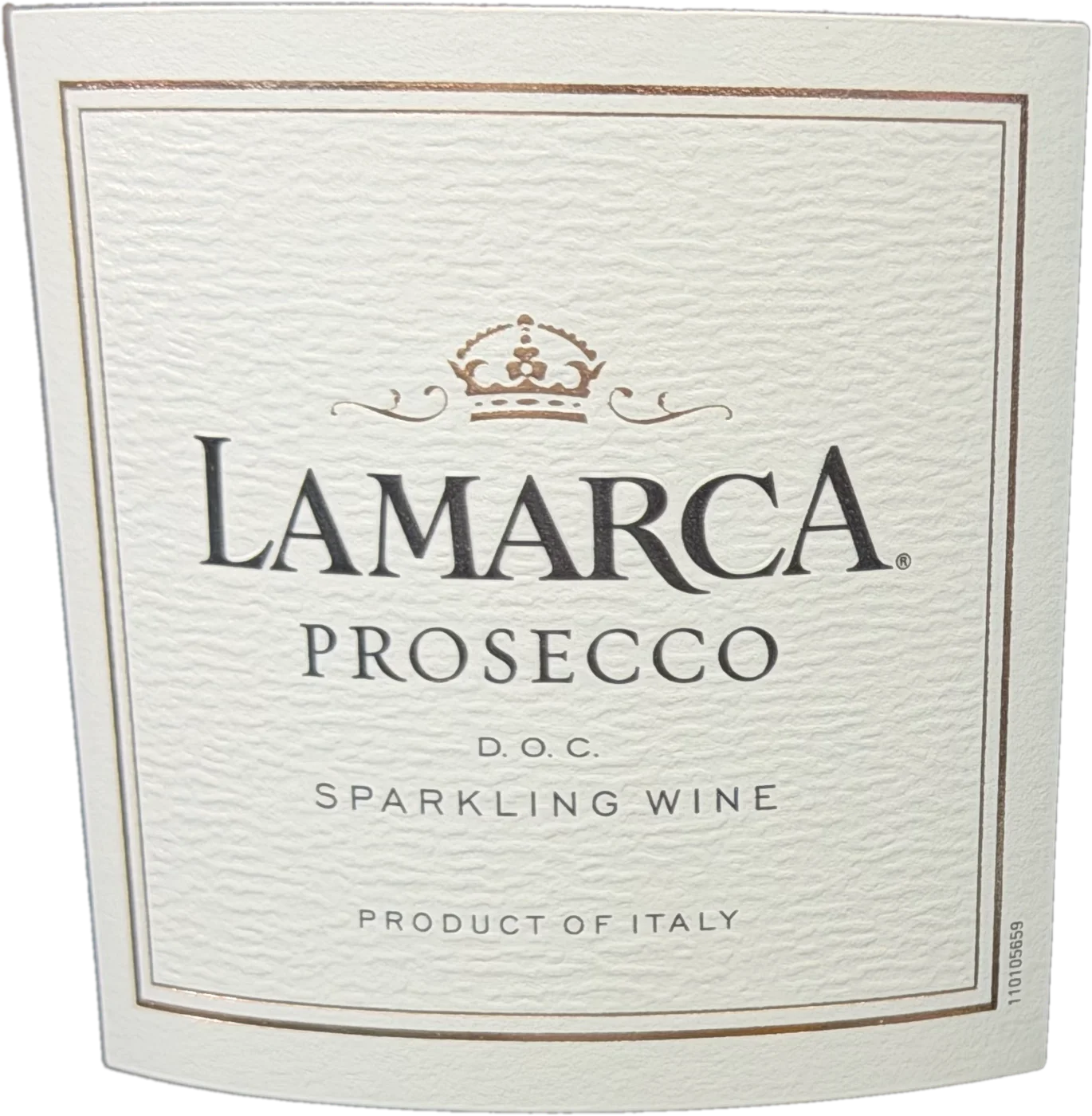
Mumm Brut Rosé and La Marca make different sparkling-method arguments, not a clearly better one. Public reception reads 92–94.
Mumm Brut Rosé uses the traditional method: a second fermentation happens inside each sealed bottle, and the producer states an average 16 months resting on the spent yeast before dosage, applied to a 76% Pinot Noir, 22% Chardonnay and 2% Pinot Meunier blend with published 12.5% ABV, 7.1 g/L acidity, pH 3.12 and 10.4 g/L dosage. La Marca uses the Martinotti-Charmat tank method: the second fermentation happens in a pressurized tank rather than the bottle, the standard Prosecco DOC approach for a Glera-led wine with pear, apple, citrus and floral fruit, and this record does not yet confirm whether the shelf bottle is labeled Brut or Extra Dry. Choose Mumm Brut Rosé when bottle-aged structure, red-fruit depth and a drier, more toast-inflected finish are the point; the producer's own record calls this a step up from tank-fermented bubbles. Choose La Marca when an easy, fruit-led tank-method aperitif is the assignment; its own record recommends passing on it if bottle-aged complexity is what you actually want.
- You want an easy, fruit-led aperitif
- Tank-method freshness is the goal
- You value broad availability and a recognizable package
One rubric. No hand-waving.
Ratings are dated snapshots that can span vintages. Composition and production-method details come from each producer's current release material; where the category record leaves a question open, such as sweetness category, we say so rather than assume.
QuestionMumm NapaLa Marca
GSW Score
92/100 · A shopper favorite
94/100 · Shoppers love it
Region
California, United States
Prosecco DOC, Italy
Identity
Non-vintage profile
Non-vintage profile
Separate retail rating snapshots
Kroger: 4.54/5 (108) · Target: 4.63/5 (147) · Total Wine: 4.80/5 (150)
Kroger: 4.84/5 (291)
Composition
76% Pinot Noir, 22% Chardonnay and 2% Pinot Meunier
Glera-led under Prosecco DOC rules; brand-specific blend not published
Production method
Traditional method; second fermentation inside the bottle, average 16 months on the spent yeast before dosage
Martinotti-Charmat method; second fermentation in a pressurized tank
Producer tasting claim
Red fruit, citrus and toast with a creamy mousse
Expected category profile of pear, apple, citrus and flowers; bottle-specific judgment reserved
Recorded honesty gap
Finished-wine chemistry fully published: 12.5% ABV, 7.1 g/L TA, pH 3.12, 10.4 g/L dosage
Sweetness category, Brut or Extra Dry, is not established on this record; read the physical label
How the two wines separate in the glass.
The two wines sit in different sparkling registers: one built for toasted, red-fruited structure, one built for light, fruit-forward ease.
DimensionMumm NapaLa Marca
body
Medium for sparkling winePinot Noir-led blend and lees aging
LightProsecco DOC category
fruit
Red fruit and citrusProducer description
Pear, apple and citrusRegional-authority category description
dryness
Brut, with 10.4 g/L dosageProducer technical record
Soft rather than bone-dryThe mainstream Prosecco brief
intensity
Layered and toastyTraditional method and lees time
Fresh and immediateTank-method category architecture
The receipts behind the comparison.
Every claim on this page shows where we found it and when we last checked. If we got something wrong, tell us. We fix it in public.
SourcePublisher / applicabilityChecked
American Viticultural Areas ↗
Alcohol and Tobacco Tax and Trade Bureauregulator
Mumm Napa release and producer record ↗
Mumm NapaRelease, production, taste and producer facts
Kroger product rating ↗
Kroger4.54 / 5 from 108 ratings
Target product rating ↗
Target4.63 / 5 from 147 ratings
Total Wine product rating ↗
Total Wine4.80 / 5 from 150 ratings
Prosecco DOC production regulation ↗
Consorzio Tutela Prosecco DOCregional authority
La Marca Prosecco story ↗
La Marca Proseccoproducer